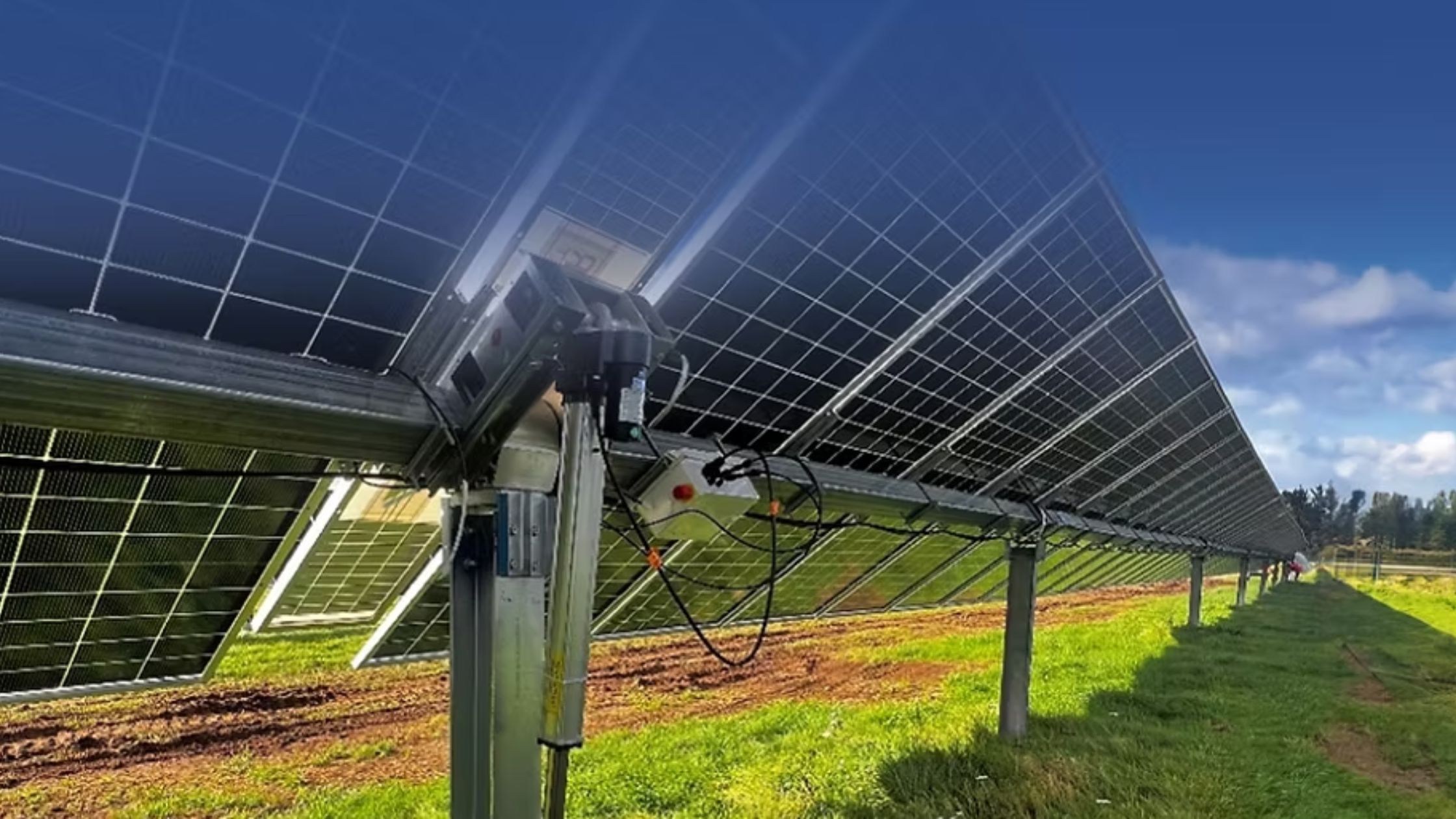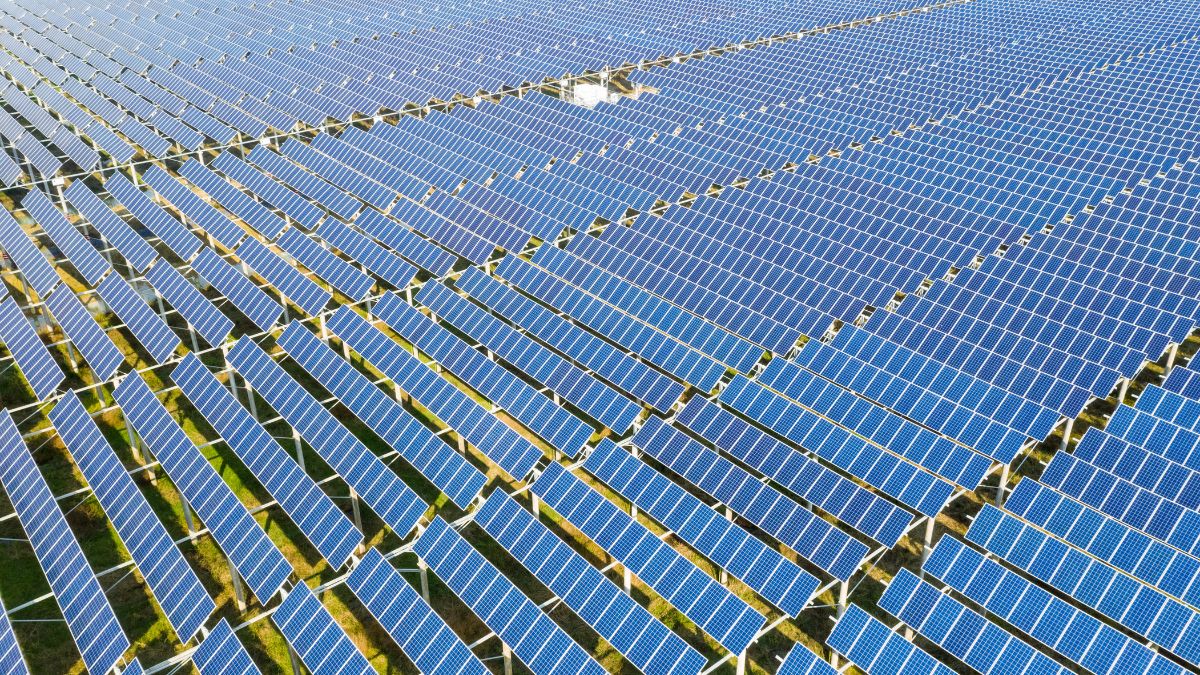
The global solar industry reached another major milestone in 2025, installing a record 664 GW of new solar photovoltaic (PV) capacity, according to SolarPower Europe’s Global Solar Market Outlook 2026-2030. While this marks the strongest year ever for solar deployment, the report indicates that the market is entering a new phase, with annual growth slowing to 12% compared to the exceptional expansion seen in recent years.
The findings underscore the growing importance of solar energy in the global energy mix, particularly at a time of heightened geopolitical uncertainty and continued volatility in fossil fuel markets. As countries seek to strengthen energy security and reduce dependence on imported fuels, solar power is increasingly being recognized as a reliable and affordable domestic energy source.
In 2025, the amount of electricity generated by solar energy was equivalent to nearly five years of liquefied natural gas (LNG) flows through the Strait of Hormuz, highlighting its growing contribution to global energy supply.Despite another record-breaking year, SolarPower Europe notes that the industry is facing new challenges.
According to CEO Walburga Hemetsberger, the focus is no longer solely on installing more solar capacity but on ensuring that growing volumes of renewable energy can be effectively integrated into power systems. In many markets, solar deployment is increasingly constrained by grid congestion, curtailment issues, and negative electricity pricing.
She emphasized the need for greater investment in electricity grids, battery storage systems, and other flexibility solutions that can help accommodate larger amounts of renewable energy. Addressing these challenges, she said, will be critical for maintaining solar’s role as a key driver of energy security, economic competitiveness, and decarbonization.Solar power continued to dominate renewable energy growth in 2025, accounting for 77% of all renewable capacity additions worldwide.
Global solar electricity generation reached 2,778 terawatt-hours (TWh), supplying approximately 9% of global electricity demand. The rapid pace of deployment also pushed total installed solar capacity beyond 3 terawatts (TW) in early 2026, a figure that has tripled in just four years.The global solar market remains concentrated among a relatively small number of countries.
China retained its dominant position, installing 382 GW of solar capacity in 2025, representing 57% of all installations worldwide. India emerged as the second-largest solar market globally after adding 45.7 GW, a 49% increase compared to the previous year, allowing it to surpass the United States. The European Union also maintained strong momentum, with the EU-27 countries collectively installing 67.2 GW of new solar capacity, recording modest annual growth of 1%.
While the long-term outlook remains positive, the report forecasts a temporary slowdown in 2026. Under SolarPower Europe’s Medium Scenario, global installations are expected to decline by 8% to around 612 GW. If realized, this would mark the first contraction in global solar deployment in more than two decades.
The anticipated decline is largely linked to developments in China, where policy adjustments are expected to result in a 24% reduction in installations. Given China’s dominant share of the market, this decrease is expected to outweigh continued growth in other regions.Sonia Dunlop, CEO of the Global Solar Council, said the solar sector reached new heights in 2025, with countries such as India, France, and Saudi Arabia making significant progress in adopting combined solar and energy storage solutions.
She noted that the report demonstrates the growing importance of solar-plus-storage systems in strengthening energy resilience in an increasingly uncertain global environment. Despite policy changes in some major markets, she emphasized that the industry’s long-term growth trajectory remains intact and that global solar capacity is on track to more than double by the end of the decade.
Dunlop also stressed the need for supportive policy frameworks to sustain momentum. Faster permitting processes, modernized grid infrastructure, and stronger investment conditions will be essential for unlocking future growth in both established and emerging solar markets.The growing importance of system integration was also highlighted by Markus Elsässer, CEO of Solar Promotion GmbH.
He noted that while record deployment levels continue to demonstrate solar’s strength, attention is increasingly shifting toward integrating solar energy into broader energy systems. This will require rapid expansion of battery storage capacity, smarter infrastructure, and stronger electricity networks capable of handling larger volumes of renewable generation. He added that industry events and collaborations involving solar, energy storage, e-mobility, and policymakers will play an important role in developing solutions to the sector’s emerging challenges.
Looking beyond the short-term slowdown, the report remains highly optimistic about solar’s future. Annual global installations are projected to reach approximately 864 GW by 2030 under the medium-growth scenario, while total installed solar capacity is expected to rise to 6.6 TW. Under a more optimistic high-growth scenario, global capacity could reach as much as 7.6 TW by the end of the decade.
SolarPower Europe concludes that solar energy will remain the cornerstone of the global energy transition. By 2030, solar is expected to deliver around 60% of the renewable energy capacity needed worldwide to achieve international clean energy targets, reinforcing its position as the leading technology driving the shift toward a more sustainable and secure energy future.
Subscribe to get the latest posts sent to your email.