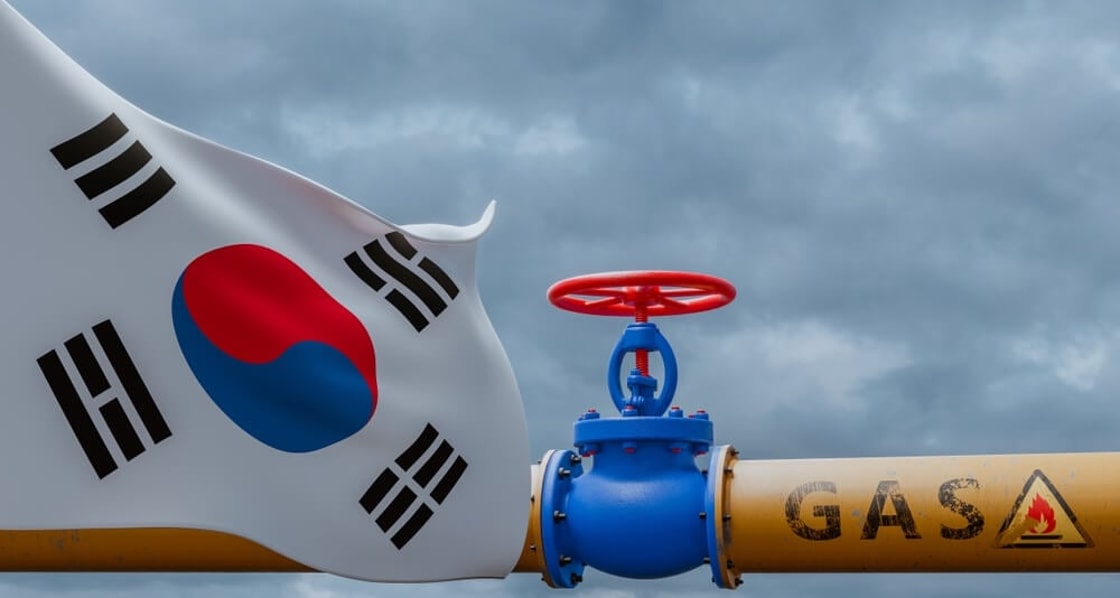
South Korea pressed to cut methane from LNG and oil imports

  • Gas
  • July 1, 2025

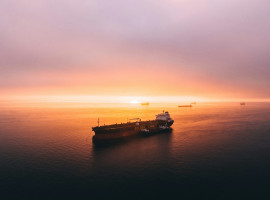
A new report from climate policy group Solutions for Our Climate (SFOC) and the consultancy Carbon Limits has called on South Korea to regulate methane emissions from imported liquefied natural gas (LNG) and oil, highlighting that upstream emissions from these imports are 17 times higher than those produced domestically.

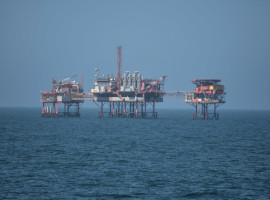
The report estimates that imported oil and gas generated 30 million tonnes of CO2 equivalent (CO2e) in methane emissions in 2023, compared with just 1.7 million tonnes from domestic activity. As one of the world’s top five fossil fuel importers, sourcing 98% of its oil and gas from abroad last year, South Korea’s true methane footprint remains largely unaddressed, according to SFOC.

Methane intensities across South Korea’s key suppliers were found to exceed global benchmarks. Oil imports averaged 27.6 kg CO2e per barrel of oil equivalent (BOE), more than five times the US benchmark of 5.9 kg. LNG imports averaged 22.3 kg CO2e per BOE, nearly four times the US threshold.

South Korea’s oil and gas imports come primarily from Saudi Arabia, the US, Qatar, and Australia. The report found wide variations in methane intensity across these exporters, reflecting differences in upstream practices and regulatory enforcement.

… to continue reading this article and more, please login, register for free, or consider subscribing to gasworld
You’ve reached your weekly limit to access free articles!

Want to keep reading?

Please register for free and create a profile to gain access to this full article and gasworld’s daily news.

For access to more content including our monthly digital magazines, subscriber-only features or columns and all our other gasworld archives, please consider subscribing.

Alternatively, you can continue reading more articles as a guest on Wednesday, 2nd July at 9:28AM


  • Related Posts

    • Gas
    • August 13, 2026
    Chinese foundries record triple–digit quarterly growth

    By 18 min ago 2 min read Net profits for Semiconductor Manufacturing International Corporation (SMIC) and Hua Hong boomed in Q2, capitalising on rising domestic AI chips demand. SMIC, China’s…

    • Gas
    • August 13, 2026
    New opportunities for CO2 in food and beverage decarbonisation

    By 31 min ago 3 min read The food and beverage industry is finding new ways to decarbonise, from lower-carbon refrigeration to carbon dioxide (CO2) recovery. But could more efficient…

    Have You Seen?

    Global Refining System Has Little Spare Room Left

    • August 13, 2026
    Global Refining System Has Little Spare Room Left

    Chinese foundries record triple–digit quarterly growth

    • August 13, 2026
    Chinese foundries record triple–digit quarterly growth

    India Drives a Global Surge in New Coal Mine Plans

    • August 13, 2026
    India Drives a Global Surge in New Coal Mine Plans

    New Zealand Approves New Oil and Gas Production as Energy Security Concerns Grow

    • August 13, 2026
    New Zealand Approves New Oil and Gas Production as Energy Security Concerns Grow

    High Oil Prices Deliver a Windfall for China’s Coal-to-Chemicals Industry

    • August 13, 2026
    High Oil Prices Deliver a Windfall for China’s Coal-to-Chemicals Industry

    Alaska LNG Pipeline Bill Dies in Legislature, Governor Fires Back

    • August 13, 2026
    Alaska LNG Pipeline Bill Dies in Legislature, Governor Fires Back

    India Eyes Two New Sites to Expand Strategic Oil Reserves

    • August 13, 2026
    India Eyes Two New Sites to Expand Strategic Oil Reserves

    New opportunities for CO2 in food and beverage decarbonisation

    • August 13, 2026
    New opportunities for CO2 in food and beverage decarbonisation

    How CO2 could help reduce water use in data centres

    • August 13, 2026
    How CO2 could help reduce water use in data centres

    Black Moon Energy and TAE explore helium-3 fuel in nuclear power

    • August 13, 2026
    Black Moon Energy and TAE explore helium-3 fuel in nuclear power