By
41 min ago 2 min read
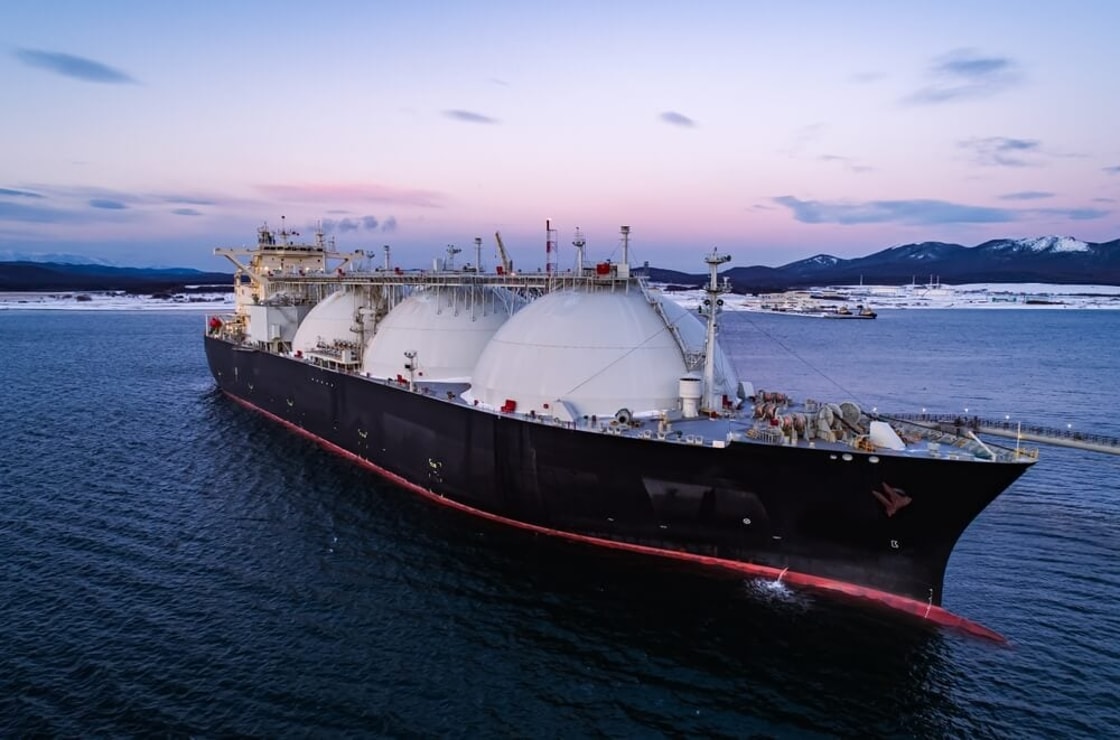
US President Donald Trump is set to pledge $54bn of South Korea’s $350bn strategic investment package to the state-backed Alaska LNG development, according to Reuters.
Alaska LNG is described as the only federally permitted liquefied natural gas (LNG) export facility on the US West Coast, offering direct, canal-free shipping via uncontested waters to Asian markets.
Joint venture company 8 Star Alaska manages the Alaska LNG project assets. US energy firm Glenfarne holds a 75% equity stake, while the State of Alaska holds the remaining 25%.
It is designed to produce 20 million tonnes of LNG per year (mtpa), supplying North Slope natural gas to Alaskans and exporting LNG to US allies across the Pacific.
Alaska LNG comprises three subprojects: an 807-mile, 42-inch pipeline, the 20 mtpa LNG export terminal in Nikiski, Alaska; and a carbon capture plant on the North Slope to remove and store seven million tonnes of carbon dioxide (CO2) annually.
Phase one of Alaska LNG consists of the 807-mile pipeline, which will transport natural gas from Alaska’s North Slope to southern Alaska to meet local energy needs. The second phase will add the LNG terminal and related infrastructure.
President Trump’s administration authorised Alaska LNG in 2020, and President Biden’s administration reauthorised it in 2022.
In June 2025, environmental organisation Friends of the Earth claimed that the Trump administration is using LNG exports as a ‘weapon’ in its trade war against Asia-Pacific countries, which are being pressured to reduce trade deficits with the US by committing to finance Alaska LNG.
Japan has already secured LNG exports from the facility once it reaches full operation. In February 2025, President Donald Trump an energy partnership with Japan that included LNG exports from the $44bn Alaska LNG project.
According to the US Energy Information Administration (EIA), market disruptions caused by the closure of the Strait of Hormuz contributed to a doubling of US shipments to Asia in H1 2026 compared with last year.
Export volumes to both Europe and Asia were increased by 0.1 billion cubic feet per day (bcf/d) (1%) and 2.3 bcf/d (108%) from H1 2025, respectively.