Southeast Asia is standing at an important moment as the global economy moves toward a low-carbon future. Countries such as Malaysia, Thailand, and Indonesia have recently updated their climate commitments, showing stronger intent to cut emissions and move away from fossil fuels. While these pledges are important for protecting the environment, experts say the real value lies in strengthening long-term economic competitiveness.
Over the past year, several ASEAN nations revised their Nationally Determined Contributions under the Paris Agreement. Thailand advanced its net-zero emissions target to 2050. Malaysia announced its first absolute emissions reduction goal. Indonesia reiterated its commitment to reach carbon neutrality by 2060 or earlier. These steps signal growing urgency, but analysts caution that targets alone are not enough.
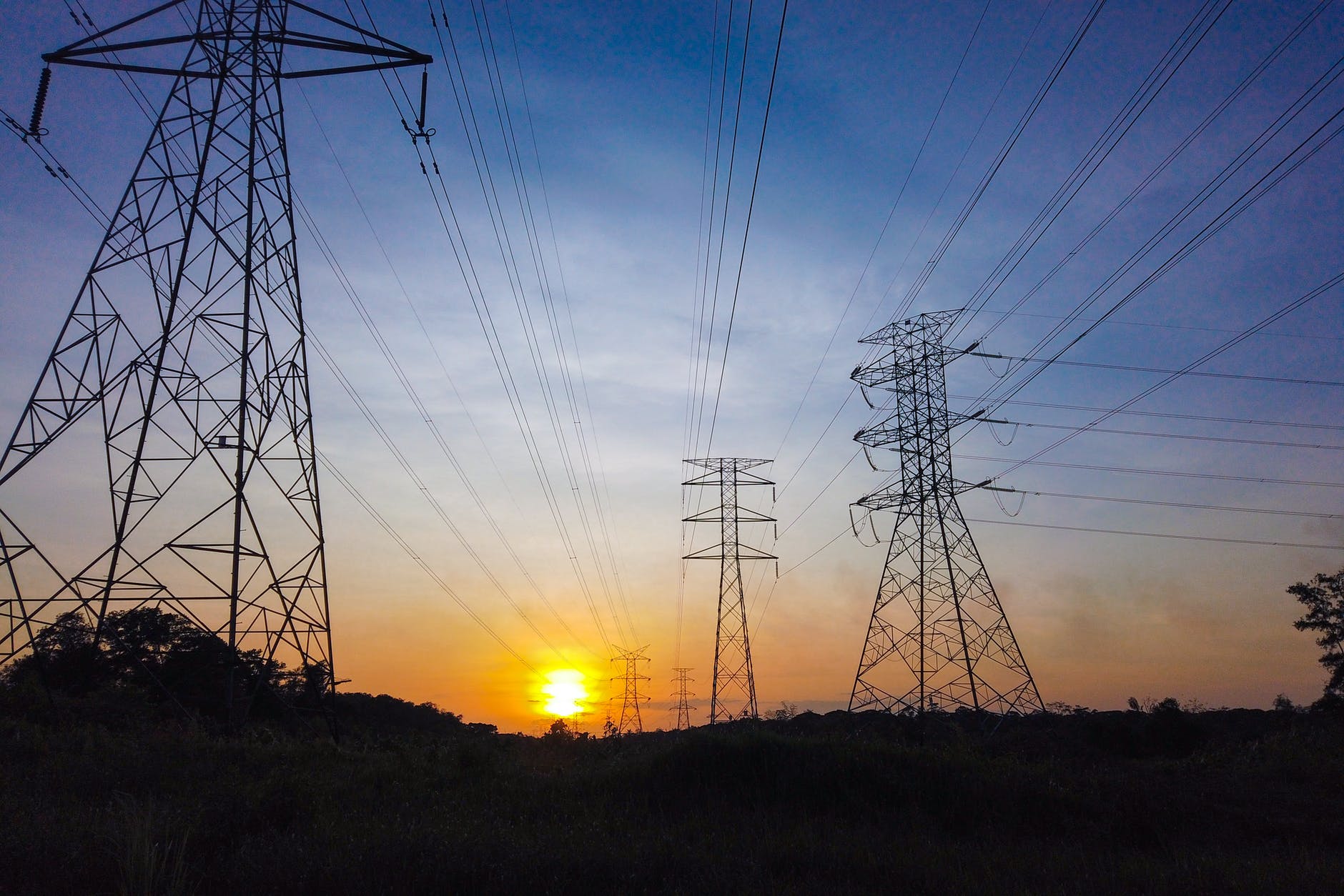
According to recent assessments, the region’s energy transition must go beyond simply adding renewable energy on top of existing coal- and gas-based systems. The power sector, which remains one of the largest sources of emissions in Southeast Asia, needs bigger structural changes. Without reforming how electricity is generated, priced, and delivered, clean energy will struggle to deliver real impact.
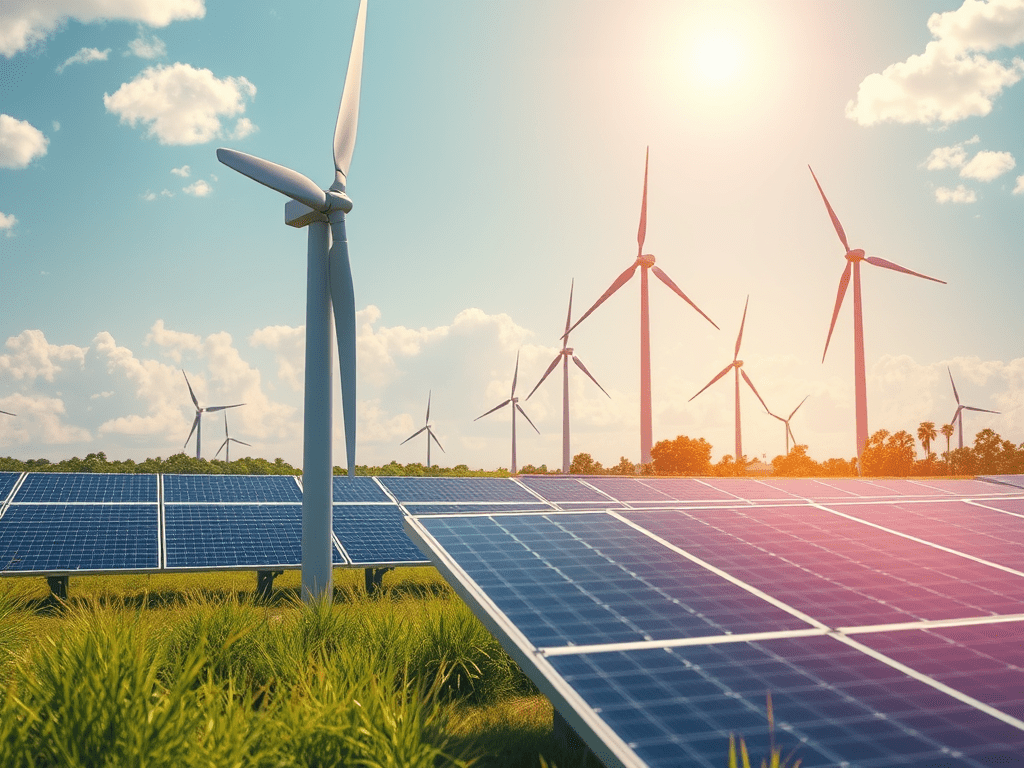
The report notes that clean energy is no longer just an environmental goal but a strategic economic investment. As global companies and investors become more climate-conscious, they are looking for countries with low-carbon and reliable power systems. Southeast Asian nations that move faster on decarbonisation can attract high-value manufacturing, especially industries that need clean electricity to meet global sustainability standards.
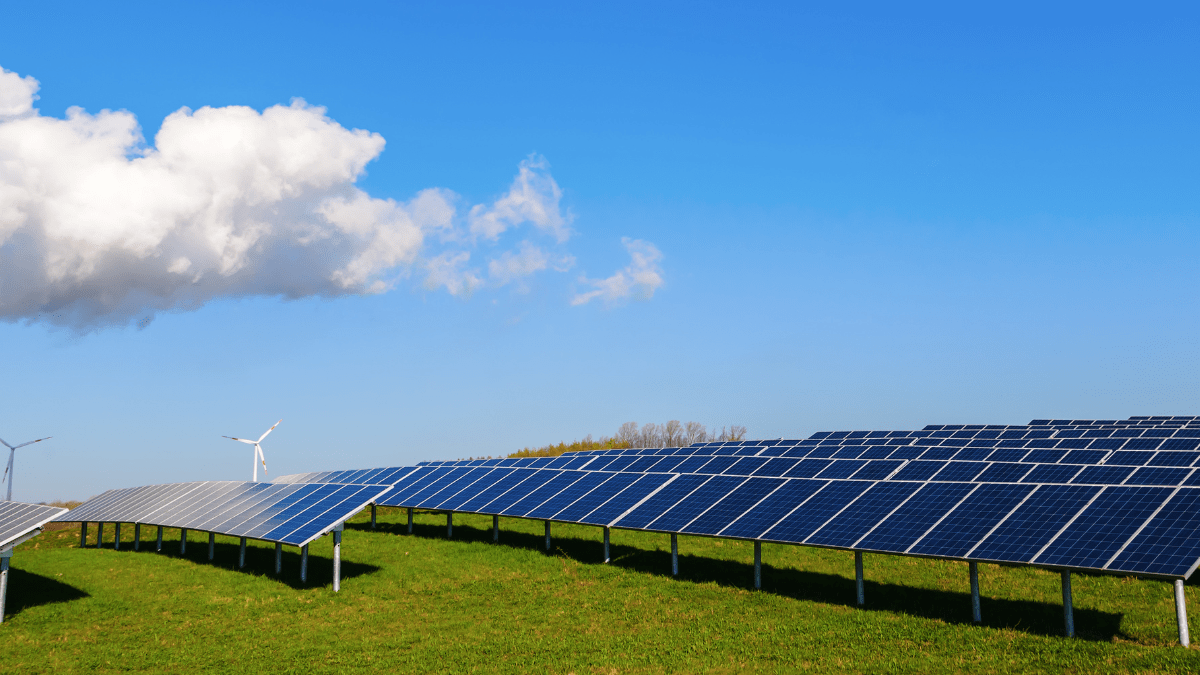
Reducing dependence on imported fossil fuels can also improve energy security. Many countries in the region are vulnerable to global fuel price swings, which can drive inflation and strain public finances. Expanding domestic renewable energy can lower these risks. At the same time, investment in areas such as smart grids, energy storage, and electric vehicle infrastructure can create jobs, boost innovation, and build technical skills.
The report highlights China’s experience as a useful example. Although China remains the world’s largest fossil fuel consumer, it has rapidly scaled up renewable energy. In 2024, wind and solar accounted for around 18 percent of its electricity generation, double the share from five years earlier. By expanding renewables first and using coal more as a back-up, China has managed to support growth while upgrading its industrial base.
Despite these examples, Southeast Asia faces challenges. Governments are dealing with high public debt, rising living costs, and geopolitical pressures. These issues have encouraged what experts call “climate delayism,” where countries accept net-zero goals but postpone difficult reforms. Analysts warn that delay will only increase costs in the future, especially as climate impacts such as floods and heatwaves become more severe.
Experts say the region must choose between sticking with an outdated fossil fuel system or moving decisively toward clean power. By upgrading grids, reforming power markets, and gradually removing fossil fuel subsidies, Southeast Asia can turn climate action into a foundation for long-term, sustainable growth.
Subscribe to get the latest posts sent to your email.