China’s teapots can rely on the highest volumes of Iranian crude sitting on tankers since January to blunt a potential supply crunch due to the U.S. blockade of the Strait of Hormuz, analysts say.
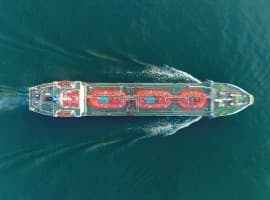
Weekly volumes of Iranian oil in floating storage were more than 38 million barrels as of Sunday, April 12, the highest since the week of January 18, according to data from Kpler cited by Bloomberg. Many of these barrels are on tankers near China.
The Chinese teapots, the independent refiners in the Shandong province, have been relying on Iranian crude supply for years.
The Iranian crude stored on tankers, which, by the way, is now officially unsanctioned by the United States, will allow China’s independent refiners to wait out weeks of blockade(s).
The tankers with Iranian oil that have already safely exited the Middle East region could provide supply for China’s independent refiners for two and a half months, Vortexa’s China market analyst, Emma Li, told Bloomberg.
Moreover, various reports have it that China continues to use the lane to receive oil.
A Chinese-owned tanker under U.S. sanctions has passed the Strait of Hormuz despite the U.S. blockade of Iranian ports that began on Monday.
Citing data from Kpler and MarineTraffic, Reuters reported that the vessel had traversed the chokepoint early on Tuesday. Owned by Shanghai Xuanrun Shipping Co Ltd., the vessel, Rich Starry, became a target for U.S. sanctions because it was used to transport Iranian crude.
China signaled on Monday that its ships are moving in and out of the Strait of Hormuz.
“We have trade and energy agreements with Iran. We will respect and honor them and expect others not to meddle in our affairs,” Newsweek quoted China’s Defense Minister, Admiral Dong Jun, as saying in a statement on Monday.
“Iran controls the Strait of Hormuz, and it is open for us,” the official noted.
By Tsvetana Paraskova for Oilprice.com
More Top Reads From Oilprice.com
- Sanctioned Chinese Tanker Passes Hormuz Despite U.S. Naval Blockade
- EU Considers Lower Energy Taxes as Hormuz Crisis Drives Costs Higher
- BP Joins Shell and TotalEnergies in Namibia’s Offshore Rush