By
22 min ago 3 min read
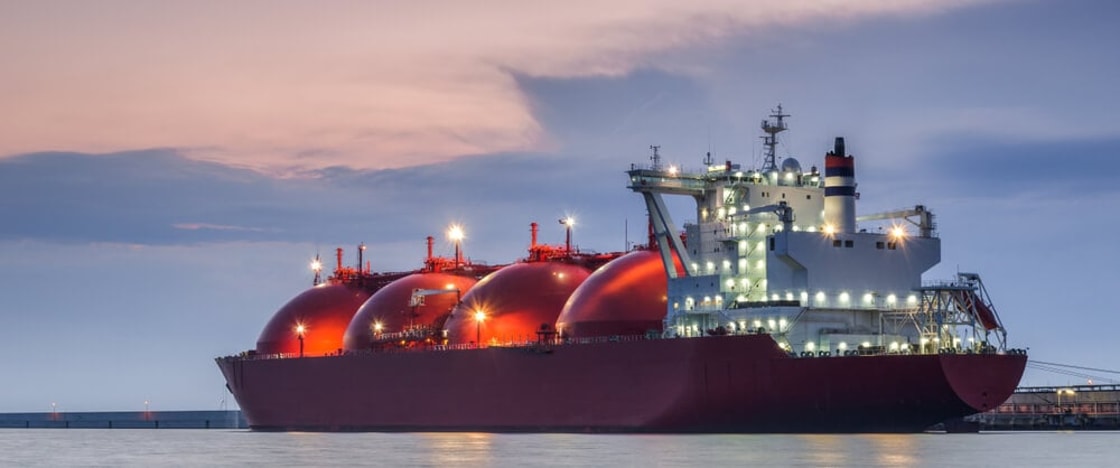
Taiwan has confirmed plans to purchase six million tonnes per year (mtpa) of liquefied natural gas (LNG) from the proposed Alaska LNG project and invest up to $4.4bn in its development, following an announcement by US President Donald Trump.
The commitments would make Taiwan a major prospective customer and investor in the long-delayed project, which aims to transport natural gas from Alaska’s North Slope to an LNG export terminal on the state’s southern coast.
However, Taiwan’s Ministry of Economic Affairs said investment arrangements, ownership stakes and other commercial terms remain subject to further negotiations, project studies and budget approvals, according to a statement from the ministry.
In a post on Truth Social on 14 October, Trump said Taiwan had agreed to purchase between $70bn and $80bn worth of LNG over the next 20 years.
He also claimed that the project was now a US federal government undertaking, adding that “this is the greatest project in Alaska history.”
The announcement follows nearly 18 months of negotiations between Taiwan’s state-owned CPC Corporation and the project’s developers, after the parties signed a letter of intent covering LNG purchases and investment in March 2025.
According to Taiwan’s economic ministry, the proposed arrangement would see CPC purchase six million tonnes of LNG annually and contribute up to $4.4bn towards project development.
If the project proceeds according to schedule, deliveries could begin as early as 2032. Taiwan said the arrangement would help diversify its gas supplies and strengthen energy security through access to US production and a direct Pacific shipping route.
The ministry stressed, however, that the agreement remains subject to further commercial negotiations and the company’s internal approval procedures.
Financing remains a key hurdle
The proposed Alaska LNG project, being developed by Glenfarne Group, would comprise an approximately 800 mile pipeline connecting gas reserves on Alaska’s North Slope with a liquefaction and export facility in southern Alaska.
The development is designed to provide export capacity of around 20mtpa, with Asian markets expected to be a primary destination for its LNG.
However, the project still faces financial and commercial challenges. Glenfarne has estimated the total development cost at between $44.5bn and $54.5bn, raising questions over its competitiveness against established US Gulf Coast export projects.
While Taiwan’s proposed purchases would account for around 30% of the planned export capacity, further commitments and financing arrangements will be needed to advance the development.
Trump has also sought to secure South Korean participation, announcing in September that Seoul had towards the project as part of a wider investment agreement with Washington.
However, South Korea has disputed that characterisation, stating that it had not approved the funding and would first assess the project’s commercial viability, Reuters reported.
Alaska LNG has also attracted renewed interest as Asian importers look to diversify supplies and reduce exposure to geopolitical disruption affecting established energy shipping routes.
Its location offers a potential advantage for deliveries to East Asia, allowing LNG cargoes to travel across the Pacific without passing through the Strait of Hormuz or relying on longer routes from the US Gulf Coast.