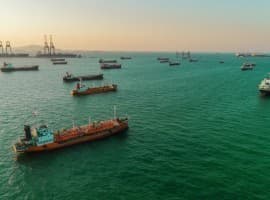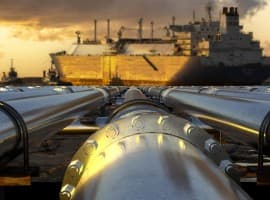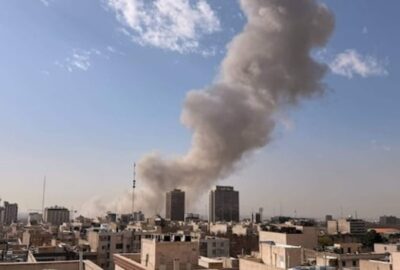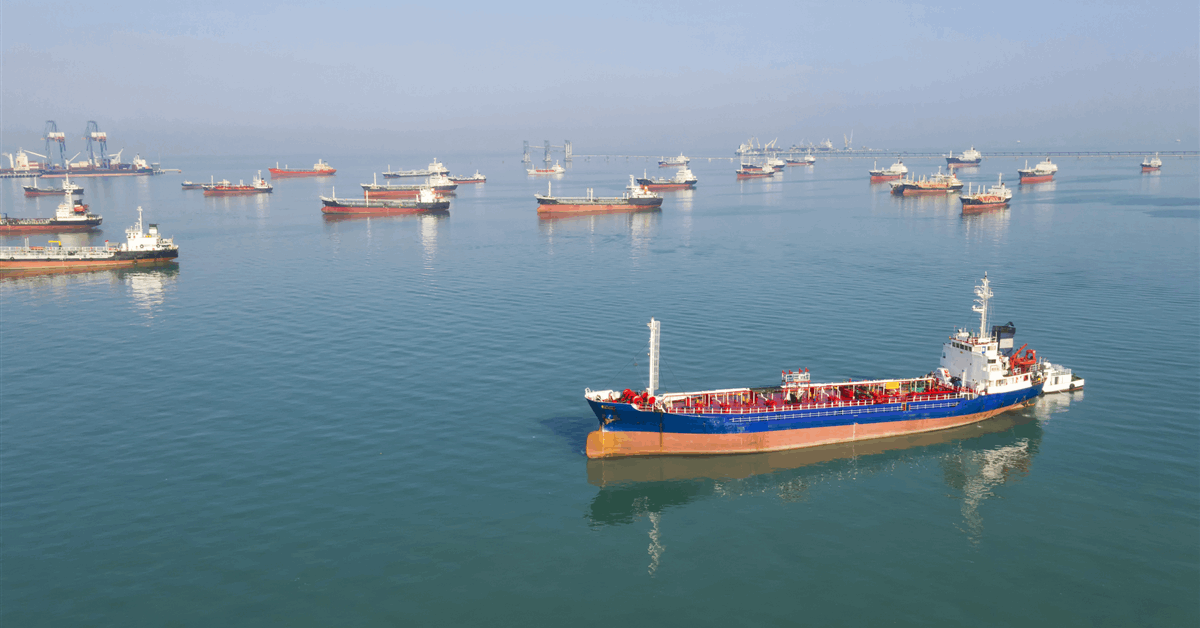
Oil and gas tankers are increasingly avoiding the Strait of Hormuz, the shipping lane that links the oil-rich Persian Gulf to the open seas, after the US and Israel bombed Iran. A large number of vessels are holding outside the waterway, while some already transiting have turned back.
Ships reported hearing a radio broadcast purporting to come from the Iranian navy announcing that transit through the Strait of Hormuz was banned. While there has been no official communication from Iran on the status of the waterway, most shipowners are taking a cautious approach. The US earlier issued a warning to shipping in the Middle East that vessels in the region should stay 30 nautical miles away from its military assets.
Tracking data shows some tankers turning around, and at least one shipowner decided not to send its vessel into the strait as a result of the broadcast, according to a person familiar with the matter. Some vessels continue to pass through, however. Seven ships were seen exiting Hormuz while six were entering after the warnings had been issued, according to vessel-tracking data compiled by Bloomberg.
The sharply reduced traffic offers the first signs of disruption to commodity markets from the US decision to attack Iran, though it is unclear how long it will last. The Strait of Hormuz is one of the most important focal points during periods of tension with Iran because roughly one-fifth of the world’s seaborne oil and liquefied natural gas passes through it each day. Tehran has previously threatened to block it but has never fully closed the waterway.
Traffic had already slowed significantly in the wake of the attacks, and Bloomberg reported earlier that tankers were piling up both inside and outside the entrance to the strait.
Japanese giant Nippon Yusen KK earlier told its fleet not to navigate Hormuz, while Greece instructed its vast merchant fleet to reassess passage, according to a circular seen by Bloomberg. One owner said they interpreted the US advisory as effectively closing the waterway.
Several shipowners later received a broadcast instructing ships not to proceed through the strait and stating that it was “banned for all ships.”
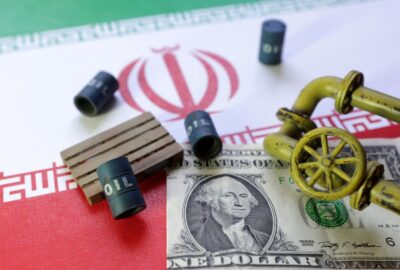
Oil futures markets are closed on Saturday and Sunday, limiting insight into how traders are pricing risk in the wake of the attacks. However, a retail trading product run by IG Group Ltd. was pricing West Texas Intermediate as high as $75.33 at one point, a gain of as much as 12% from Friday’s close.
Traders are also watching for broader disruptions, including the impact of Iranian retaliatory strikes and whether any ports are affected.
Oil tankers are coming to a stop on both sides of Hormuz, with three vessels halting journeys out of the Persian Gulf and a small flotilla of at least eight tankers building up over the past two weeks outside the Gulf of Oman. Others are aborting their voyages partway through the waterway.
At least three gas tankers going to or from Qatar have paused voyages to avoid the waterway, according to ship-tracking data. Qatar is the world’s second-largest LNG exporter, accounting for 20% of global supply last year, and the country’s shipments must pass through the strait to reach buyers in Asia and Europe.
Some shipowners were considering canceling already-fixed voyages into the Middle East, shipbrokers said, citing a war clause that gives them the right to do so should hostilities break out between a list of countries including the US and Iran. This could tighten the supply of vessels in the region, further supporting freight rates that have recently soared to the highest level in years.
The very large crude carrier KHK Empress was partially loaded with Omani crude and heading through the Strait of Hormuz for Basra when it made a U-turn and headed back toward the Arabian Sea. The vessel’s destination was changed from Basra to New Mangalore in India, where it is expected to arrive on Monday.
In the Persian Gulf, the oil tanker Eagle Veracruz, heading for China with 2 million barrels of Saudi crude, has come to a halt at the western approach to the Strait of Hormuz. It has been joined by the Front Beauly, which is carrying a similar amount of Iraqi and Emirati crude. The Suezmax tanker Front Shanghai, carrying about 1 million barrels of Iraqi crude to Rotterdam, has also stopped off Sharjah, according to tracking data.
A buildup of vessels halting voyages toward Hormuz from the east had been developing for most of the week, tanker-tracking data compiled by Bloomberg show.
The supertanker Mitake, heading for Ras Tanura in Saudi Arabia, came to a virtual halt east of Oman shortly after news of the US attack broke earlier this morning. It joined a growing flotilla of idling tankers in the waters outside the Gulf of Oman, which leads to the Strait of Hormuz and the Persian Gulf.