Thailand plans to accelerate the rollout of renewable energy sources and embrace nuclear power for the first time to cut reliance on imported LNG in the wake of the Middle East crisis, Energy Minister Akanat Promphan told Bloomberg in an interview published on Thursday.
Thailand relies on natural gas for more than 60% of its electricity generation and has become increasingly dependent on imported LNG.
Following the closure of the Strait of Hormuz, the Southeast Asian country is now looking to bolster its energy security and become less dependent on geopolitical energy supply issues. Thailand is the biggest LNG importer in Southeast Asia, although its reliance on Qatar is just 6% of total gas supply, according to data by Vortexa.
This is equivalent to two to three conventional-sized LNG cargoes per month, but Qatar as a whole is estimated to have exported – to all customers – fewer than 20 cargoes since the Iran war began at the end of February.
“The ongoing conflict in the Middle East demonstrates that we must urgently reduce imports of LNG and other fuels,” Minister Promphan told Bloomberg.
“We need to build a cleaner and more self-reliant power system.”
Thailand will unveil in October an updated 25-year plan for its energy system, which will include more renewables, as well as nuclear – via small modular reactors (SMRs) – for the first time, according to Promphan.
The country will aim for 60% of power generation coming from solar, wind, and hydropower by 2050, double the previous goal in the 2023 energy plan.
Thailand expects its power demand to soar in the coming years due to the data center boom and advanced manufacturing. And it wants to meet as much of the electricity boom from domestic sources as possible.
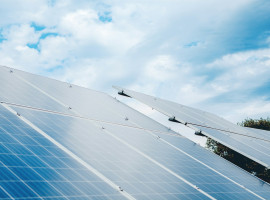
Thailand could accelerate rooftop solar deployment by reforming its current solar policies to reduce dependence on LNG imports, improve energy security, and limit future pressure on rising electricity costs, the Institute for Energy Economics and Financial Analysis (IEEFA) said in a report last week.
By Tsvetana Paraskova for Oilprice.com
More Top Reads From Oilprice.com
- Alberta Premier Rejects Using Oil as a Weapon Against Trump
- Oil Prices Fall as Qatar Pushes New Hormuz Talks
- Another Tanker Struck as Hormuz Shipping Crisis Deepens