The spirit of cooperation that once reigned has been shattered by economic rivalries and a stark divergence in climate policies among the world’s biggest polluters.
The landmark UN COP21 climate agreement signed in Paris on December 12, 2015 saw 195 nations commit to setting binding targets to reduce greenhouse gas emissions to limit global warming to “well below” 2 degrees Celsius above the pre-industrial levels. The ambition has in recent years been strengthened to 1.5 degrees.
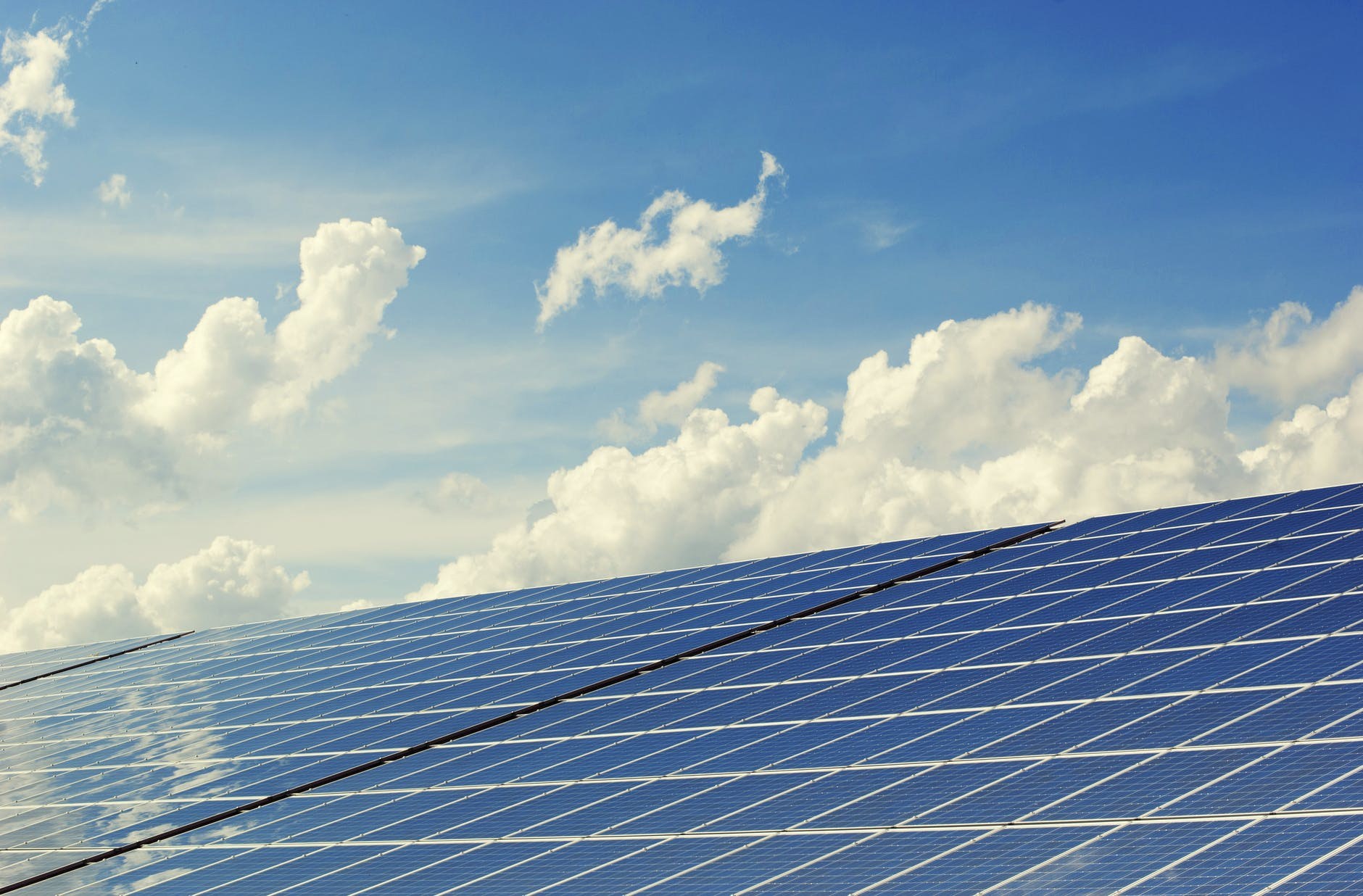
Ten years on, and global renewables consumption has tripled, with solar alone growing more than seven-fold, according to the Energy Institute’s 2024 Statistical Review. But the hard truth is that fossil fuel consumption has continued rising, with the share of wind and solar in the world’s energy mix growing from 4% to 9% of the mix over the past decade.
Get the Latest US Focused Energy News Delivered to You! It’s FREE:
Perhaps just as significantly, the energy transition in recent years has split into three distinct paths represented by the United States, China and Europe, as regional economic and political realities trump global cooperation.
CHINA GOES IT ALONE
China – the world’s largest energy consumer and CO2 emitter – has had to import vast volumes of oil, gas and coal in the past three decades at an enormous cost to fuel the growth of its industry, cities and middle class.
Beijing’s energy policy is therefore increasingly being shaped by an ambition to reduce its reliance on imports. This has driven investments in domestic sources of energy, be they coal, oil, gas or renewables, while also scaling up electric vehicle manufacturing and other green technologies to reduce demand for imported fossil fuels over the long term.
Indeed, China is today the undisputed leader in many of the technologies and materials that underpin the world’s energy transition, such as solar panels, batteries and rare earths.
It is also by far the largest deployer of clean power, accounting for over 60% of all renewables capacity added worldwide last year. By the end of 2024, China’s wind and solar capacity exceeded 1,400 gigawatt, six years ahead of its declared target, according to the International Energy Agency.
Of course, China is continuing to expand its fleet of cheap coal-fired power plants to meet growing demand and deal with renewables’ intermittency.
China aims to reach carbon neutrality by 2060, and its emissions may have already peaked. President Xi Jinping pledged in September that China would reduce its emissions 7%-10% by 2035, though that appears to fall short of its Paris pledge.
Beijing’s desire to lead the energy transition may be rooted in its own economic interests and desire to reinforce itself as a dominant global power, but its rapid adoption of renewables arguably remains the most positive climate story of the past decade.

US KEEPS ON PUMPING
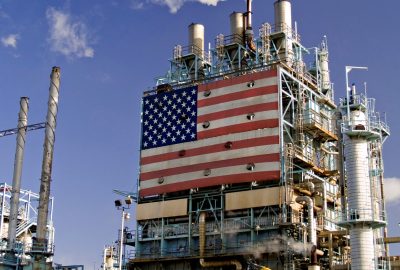
One of President Donald Trump’s first actions after being sworn into office for his second term in January 2025 was to withdraw the United States from the Paris agreement.
Although the United States may return to the Paris framework under future administrations – as Joe Biden did after Trump withdrew during his first term – the country’s huge oil and gas resources will likely shape its climate policy for decades.
The United States is today the world’s largest oil producer and the top exporter of liquefied natural gas, accounting for a fifth of global supplies for both fuels.
While the United States also has huge potential for solar and wind power, growth in this sector is expected to slow sharply now that Trump has scrapped most of Biden’s clean energy policies. And investors may be loath to revive investments in low carbon technology for years given all the political and regulatory uncertainty.
To be sure, the surge in U.S. cheap natural gas production since 2014 has helped drive down the country’s energy-related emissions by over 20% since their 2007 peak by displacing more-polluting coal-fired power plants.
Moving forward, the U.S. energy transition is likely to be slow and subject to policy-driven volatility – at least until the economic benefits of producing fossil fuels no longer outweigh the risks of climate change.

EUROPE LEARNS HARD LESSON
Europe has for decades been a prominent advocate of the energy transition.
Following the Paris agreement, the European Union and Britain set out ambitious laws to ensure they would become net zero emitters by 2050, meaning any remaining emissions would be offset by nature-based solutions and other technologies.
But then came Russia’s full-scale invasion of Ukraine in 2022. European governments were forced to drastically overhaul their energy strategies after the war – and related sanctions – set off a price shock that rocked households and businesses.
The abrupt loss of abundant Russian gas and oil supplies led to a sharp slowdown in industrial activity that battered economies. In turn, governments rowed back some of their flagship climate policies.
The energy crisis taught Europe a harsh lesson about the risks of relying heavily on a single supplier of energy. Russia supplied 40% of Europe’s gas demand and nearly a third of its oil until 2022.
While these percentages have since dwindled rapidly, Europe has replaced dependence on Russia with dependence on the United States, which supplies over 60% of the region’s LNG imports.
Europe, like China, is seeking to reduce energy imports, but its heavy investment in renewables has proven expensive and subject to its own risks, given China’s dominance in renewables supply chains.
At the same time, Europe’s sluggish economic activity and heavy energy bills have become key factors in domestic political debates, with growing calls, particularly among right-wing parties, to further scale back, if not scrap, net zero policies.
A decade after the Paris climate deal, China, the United States and Europe have each embarked on a distinctly different energy path, with strategic and economic realities taking precedence over unified ambitions.
This does not mean the energy transition will cease moving forward, but it will likely do so in a bumpier, fractured and more self-interested fashion that idealists may have expected ten years ago.
Want to receive my column in your inbox every Monday and Thursday, along with additional energy insights and links to trending stories? Sign up for my Power Up newsletter here. Enjoying this column? Check out Reuters Open Interest (ROI),your essential new source for global financial commentary. ROI delivers thought-provoking, data-driven analysis. Markets are moving faster than ever. ROI can help you keep up. Follow ROI on LinkedIn and X.
(Ron Bousso; editing by Christina Fincher)
Share This:
More News Articles