Malaysia’s state-owned utility giant Tenaga Nasional Bhd (TNB) has more than doubled its budgeted capital expenditure (capex) to RM42.9 billion to fast-track infrastructure development aligned with the nation’s energy transition goals.
According to TNB’s 2024 Annual Report filed with Bursa Malaysia, the revised capex includes RM26.6 billion in base expenditure and RM16.3 billion as contingent allocation.
President and CEO Datuk Megat Jalaluddin Megat Hassan revealed that 64% of the contingent capex will be used to upgrade infrastructure supporting renewable energy (RE), the National Energy Transition Roadmap (NETR), and regional interconnection projects. An additional 30% is allocated to accommodate potential demand growth, while the remaining 6% will enhance supply security.
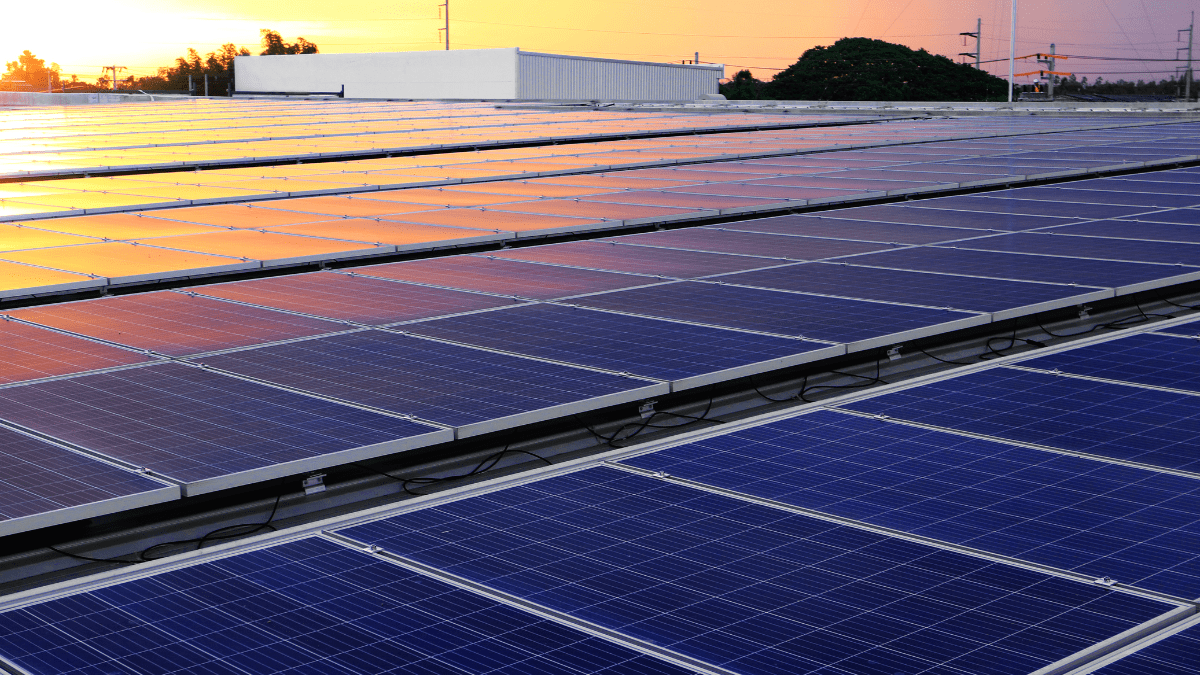
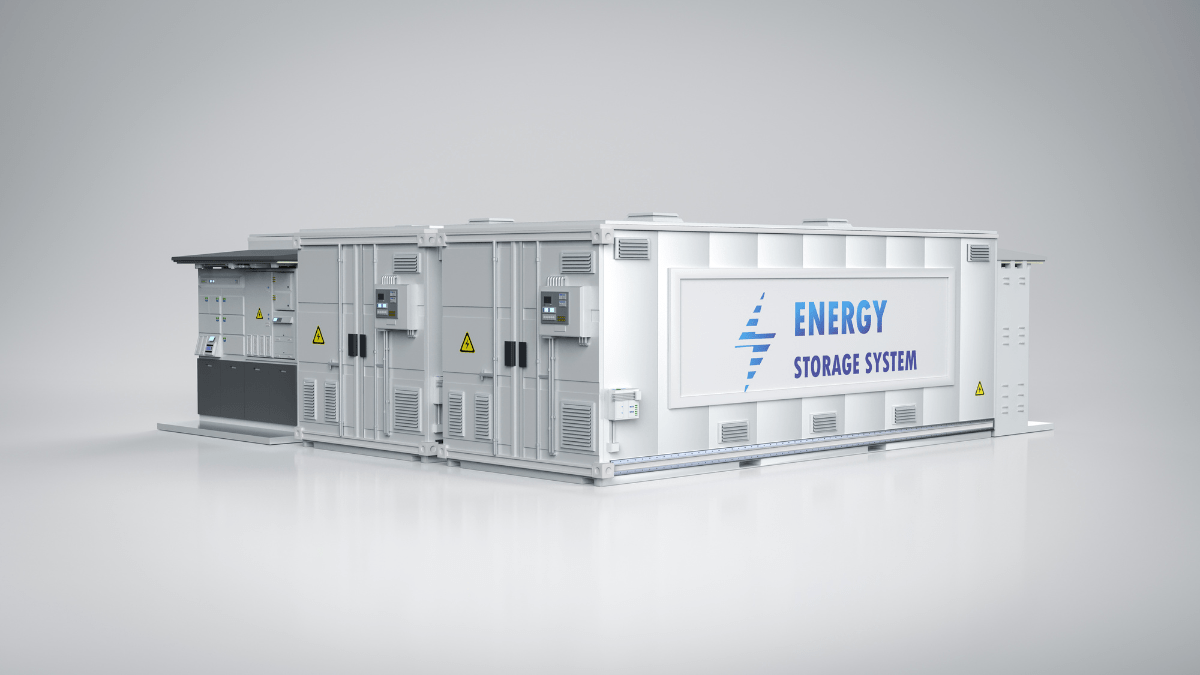
“Our top priority is to accelerate decarbonisation,” said Megat Jalaluddin. “We are ramping up investments in large-scale solar (LSS5+, LSS6), battery energy storage systems (BESS), corporate renewable schemes (CRESS), and community-based renewables (CREAM).”
He added that the company is also advancing its efforts in green hydrogen, carbon capture, electric mobility, and smart grid interconnections, which are essential to realising the ASEAN Power Grid vision.
Strong Domestic and Global RE Portfolio
To date, TNB operates 3.3GW of renewable energy in Peninsular Malaysia and 1.1GW internationally—primarily in the UK and Ireland. In 2024 alone, the company secured over 700MWp of large-scale solar projects under LSS5 and LSSS.
Domestically, financial close was achieved for a 45MWp solar project in Kulim under the Corporate Green Power Programme (CGPP). Globally, TNB’s portfolio includes 927MW of solar and wind assets across the UK, Ireland, and Australia. Construction has also commenced on two additional UK solar farms totalling 102MWp.
NETR Flagship Projects Underway
Under the National Energy Transition Roadmap, TNB is progressing on three flagship projects: floating solar, centralised solar parks, and green hydrogen.
A 2.5GW floating solar photovoltaic initiative is in development across hydro reservoirs, with a successful pilot of 154kWp at the Kenyir Dam. Five 150MWp centralised solar parks are also being developed with local partners. Notably, 150MWp of green energy has been secured for Bridge Data Centres through CRESS.
In green hydrogen, TNB is collaborating with Petronas using solar power from Kenyir, where a pilot system with 500kWp solar panels and 1MWh battery storage is operational.
Battery Storage and Carbon Capture Initiatives
TNB has secured a 400MWh BESS project in Sabah—the largest in ASEAN—and an additional 400MWh pilot project for the national grid. The utility is also entering the carbon capture and storage space to reduce emissions from thermal power plants.
Optimistic Outlook for 2025
Looking ahead, TNB projects economic growth of 4.5%–5.5% in 2025, with electricity demand expected to rise by up to 4.5%.
“With the launch of Regulatory Period 4 (RP4) and a promising 7.3% return on investment, we are confident in scaling up further,” said Megat Jalaluddin.