Wednesday, 30 July 2025
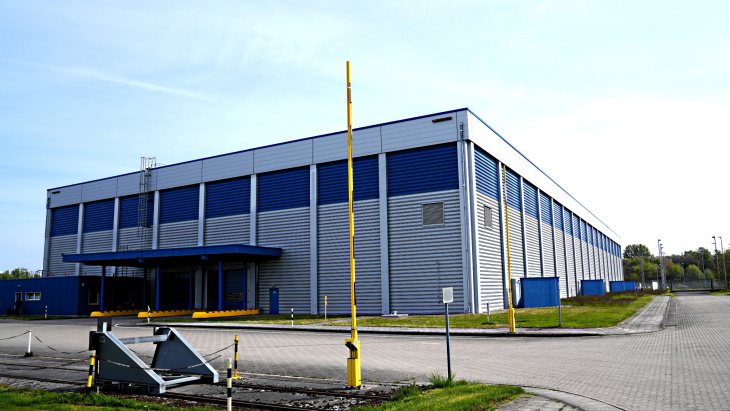
Unit 3 of Hokkaido Electric Power Company’s Tomari nuclear power plant – Japan’s newest power reactor – has moved a step closer to restarting after the country’s Nuclear Regulation Authority concluded the unit meets revised safety standards.
_73538.jpg)
Under Japan’s reactor restart process, plant operators are required to apply to the Nuclear Regulation Authority (NRA) for: permission to make changes to the reactor installation; approval of its construction plan to strengthen the plant; and final safety inspections to ensure the unit meets new safety requirements. Operators are required to add certain safety-enhancing equipment within five years of receiving the NRA’s approval of a reactor engineering work programme.
The Tomari plant comprises two 550 MWe pressurised water reactors (PWRs) (units 1 and 2) and a 912 MWe PWR (unit 3). All three units have been offline since unit 3 stopped power generation for regular inspection in 2012. Hokkaido EPC is seeking regulatory approval to restart all three reactors.
The utility applied for a review in July 2013 to assess whether its plan for upgrades at Tomari 3, which started operation in 2009, satisfies updated safety standards introduced following the March 2011 accident at the Fukushima Daiichi plant.
After approving a draft report in April this year, following a period for public comments the NRA has now formally adopted its findings that unit 3 meets the new regulatory safety standards and has issued Hokkaido EPC a permit to make changes to the reactor installation. It becomes the 18th Japanese reactor to pass the regulator’s safety screenings.
“We would like to express our sincere gratitude to the Nuclear Regulation Authority and everyone involved with Tomari Nuclear Power Plant who have been involved in the review for over 12 years since our application,” said Hokkaido EPC President and CEO Susumu Saito. “The permit we received today recognises that the basic policy and basic design for safety measures for Tomari Nuclear Power Plant Unit 3 comply with the new regulatory standards, and we view it as a major milestone toward restarting operations.”
The company built a new 16.5-metre-high seawall to protect the plant from tsunamis, but later agreed to build one 19 metres in height, based on the regulator’s advice. Construction of the seawall is currently under way and expected to be completed in early 2027. Hokkaido EPC has also upgraded its quake-resistant design for the facilities to cope with more intense acceleration of seismic waves – from up to 550 gals to 693 gals.
The company will still need to obtain the consent of local governments before it can restart Tomari 3.
In May 2022, the Sapporo District Court issued a ruling granting a request for an injunction against the operation of the three-unit Tomari plant. A lawsuit filed by about 1200 plaintiffs, including local residents, in November 2011 claimed the plant has insufficient countermeasures against earthquakes and tsunamis and called for it to be decommissioned. An appeal by Hokkaido EPC against that decision is currently being heard at the Sapporo High Court.
“We believe that the understanding of the local community and the people of Hokkaido is essential for restarting operations,” Saito said. “We will seize every opportunity to provide explanations to as many people as possible so that we can gain their understanding.
“Our pursuit of improving the safety of Tomari Nuclear Power Plant is never-ending. We will continue to strive to achieve the world’s highest standards of safety through continuous efforts, including further safety improvements and the enhancement of various training programmes.”
The NRA is still reviewing the safety of Tomari units 1 and 2.