Britain and the United States are set to sign a sweeping agreement to accelerate nuclear power development during U.S. President Donald Trump’s state visit this week, marking what Keir Starmer described as the start of a “golden age of nuclear.”
The accord, known as the Atlantic Partnership for Advanced Nuclear Energy, is designed to streamline licensing and regulatory approvals, speed up deployment of advanced reactors, and unlock billions in private-sector investment across both countries.
There is a series of large-scale deals either accompanying or related to the announcement:
-
X-Energy and Centrica plan to build up to 12 advanced modular reactors in Hartlepool, northeast England. The project could power 1.5 million homes, create as many as 2,500 jobs, and represent a cornerstone of the UK’s nuclear revival.
-
Holtec International, EDF, and Tritax are set to repurpose the former Cottam coal-fired plant in Nottinghamshire into a massive nuclear-powered data centre hub. The project, worth an estimated £11 billion ($15 billion), will leverage small modular reactors (SMRs) to power energy-hungry AI and digital infrastructure while generating thousands of high-skilled jobs.
-
Rolls-Royce confirmed it has entered the U.S. regulatory process for its SMR design, paving the way for deployment on both sides of the Atlantic.
-
Urenco is expected to supply an advanced type of low-enriched uranium to the U.S. market, part of a broader strategy to end reliance on Russian nuclear material by 2028.
-
Additional smaller-scale initiatives include micro modular reactor development at the London Gateway port, backed by Last Energy and DP World, with £80 million in private investment.
One of the most significant elements of the new partnership is regulatory alignment. If a reactor passes safety checks in one country, the other can use those results to support its own licensing process. This change is expected to cut average approval times to two years, down from the current three to four years.
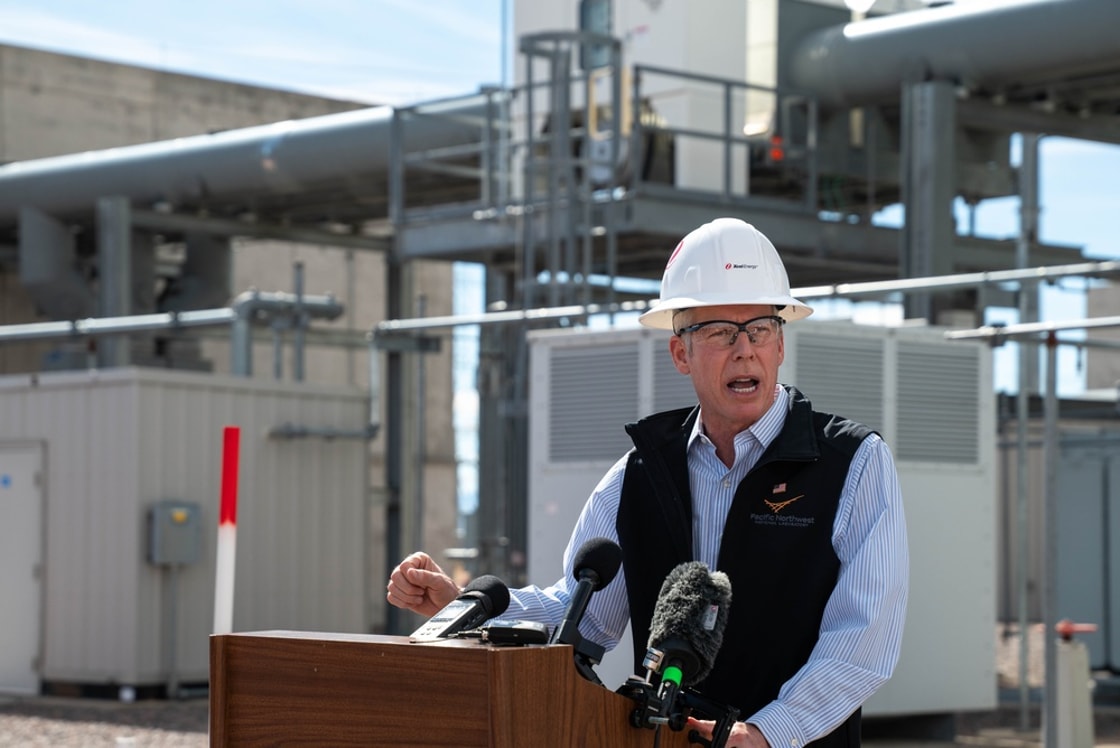
U.S. Energy Secretary Chris Wright hailed the move as a “nuclear renaissance”, while UK Energy Secretary Ed Miliband said it would help Britain power homes with “clean, homegrown energy” and drive economic growth.
Prime Minister Keir Starmer said the tie-up will help put the UK and US “at the forefront of global innovation,” while reducing household bills in the long run. Wright called the new framework a way to “unleash commercial access” in both countries.
Britain’s nuclear fleet has dwindled since its 1990s peak, when nuclear power provided 25% of electricity generation. Today, it supplies closer to 15%, and several ageing reactors face decommissioning within the next decade. The government hopes its £14 billion investment in the Sizewell C plant, alongside SMR deployment, will reverse this decline.
The UK has already joined 30 other nations in pledging to triple nuclear capacity by 2050, as demand for reliable low-carbon energy surges amid the twin pressures of climate targets and rising AI-driven electricity demand.
The string of announcements underscores a decisive shift in nuclear policy. After decades of stagnation, both London and Washington are positioning nuclear not just as a clean power source but also as an enabler of energy security, digital infrastructure, and industrial competitiveness.
By Charles Kennedy for Oilprice.com
More Top Reads From Oilprice.com
- UK Pays Record Sums to Wind Power Generators to Switch Off
- Putin Extends Russian Oil Export Ban to Price Cap Countries Through 2025
- Trump’s Big Beautiful Bill Could Hurt His Own Energy Agenda