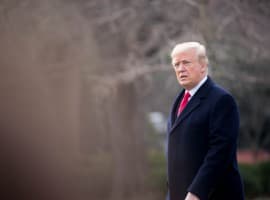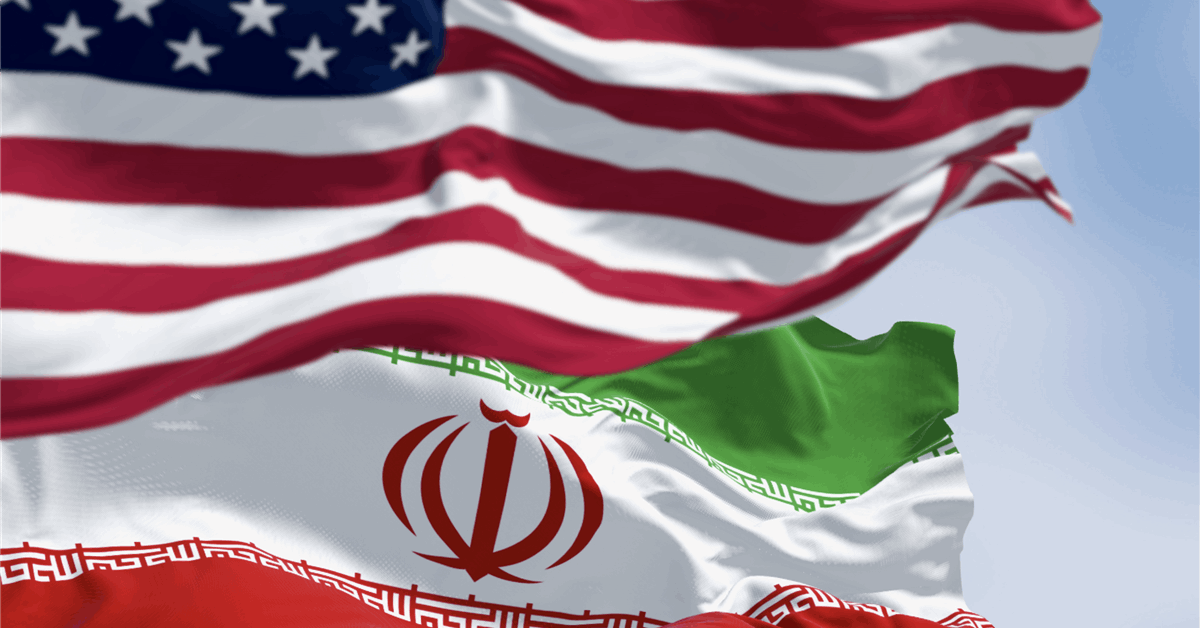
The Midwest is in for a cold, costly winter if President-elect Donald Trump succeeds in imposing 25% tariffs on Canada and Mexico.
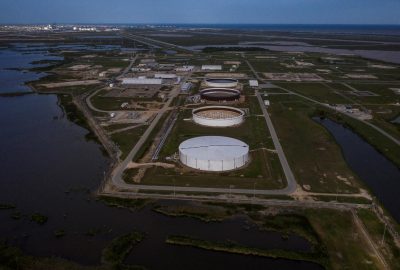
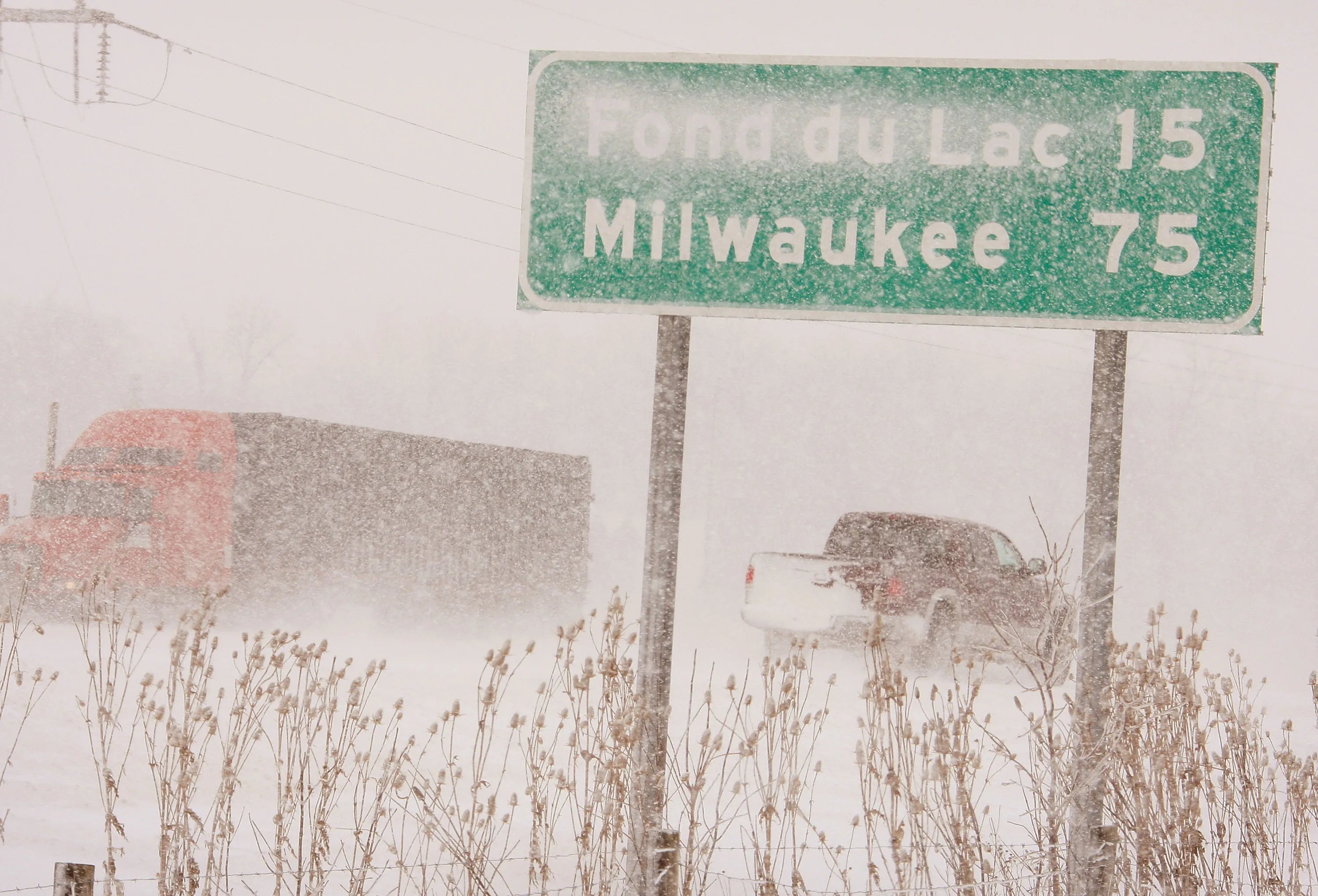
The US buys nearly all the crude oil that Canada produces, but no region depends on those imports more heavily than the Midwest, which gets more than 60% of its oil from Canada. In Minnesota and Wisconsin, the site of two major transnational pipelines, that figure is closer to 80%. At roughly 2.3 million barrels a day, the Midwest uses more Canadian crude than the rest of the US combined.
So it’s going to come as a shock when Republicans across the region — where victories in Wisconsin and Michigan helped propel Trump back to the White House — discover that one of his first official acts will have been to start a trade war that could send energy prices soaring. Trump said he will impose the tariffs on Inauguration Day unless the two countries curtail drug trafficking and illegal immigration at US borders.
As bad as that would be for the former “blue wall” states, it would be even worse for Canada. The US is Canada’s most important trade partner, accounting for two-thirds of all Canadian trade. The US is also Canada’s largest investor. The two nations’ economies are so intricately linked that in 2023, $3.6 billion of goods and services flowed across their borders daily.
So after a series of urgent phone calls, Canadian Prime Minister Justin Trudeau sprinted south last weekend for a visit to Mar-a-Lago to try to reach common ground. For his trouble, Trudeau found himself the object of ridicule. After warning the incoming president that the tariffs could wreck both countries’ economies, Trump reportedly joked that if Canada could not survive without “ripping off” the US, perhaps it should become the 51st state, with Trudeau as its governor.
Trudeau was said to have laughed, nervously.
Canadian Public Safety Minister Dominic LeBlanc, who accompanied Trudeau, later told reporters in Ottawa that “the president was teasing us. It was … in no way a serious comment.” Trudeau later said he and Trump had a productive meeting and even thanked Trump for the dinner.
Trump undoubtedly was joking — at Trudeau’s expense — but he was also sending a serious message: He does not consider this a partnership of equals. He was serving notice that he is back, with all the brash aggression and seat-of-the-pants governing that marked his first term.
Trudeau now is left to wonder whether he can even salvage the United States-Mexico-Canada Agreement that has guided mostly duty-free trade among the three countries since it was signed in 2020. Trump’s pledge to start tariffs on the first day of his presidency would appear to violate the terms of the agreement and could be a precursor to Trump attempting to renegotiate the deal.
Trump’s stock-in-trade is creating chaos. It is his go-to move for gaining the upper hand in any situation: Do the unexpected. Be unpredictable. Go big. So why not threaten our closest trading partners with punitive tariffs that would wound their economies — and ours? Whatever concessions he wrings out of our partners will be declared “huge” victories.
And it’s not just about the cost of oil. The tariffs would also increase the price of fruit and vegetables; the cost of natural gas; and hurt the US auto sector. Michigan depends heavily on USMCA for its automotive industry. Most vehicles pass several times through the three countries, even if the final assembly is done in the US.
Trump knows the stakes. Whether he lets on or not, he understands the concept of tariffs and their limitations. The Tax Foundation found that Trump’s first-term tariffs — many of which continued under President Joe Biden — “raised prices and reduced output and employment, producing a negative impact on the US economy.”
So what is Trump’s end game?
On the campaign trail, Trump portrayed tariffs as a powerful cure-all that could generate enough revenue to cut taxes, bring down the deficit, pay for other programs, drive manufacturing back to the US, and wring concessions from foreign leaders — all at little to no cost for American consumers.
Since being elected, he talks less of the huge revenues — which could only result from permanent tariffs — and seems to have settled on tariffs as a way to force foreign countries to bend to his will.
His threat to impose tariffs on Canada and Mexico puts the onus on those countries to reduce drug trafficking and illegal immigration at US borders. It also makes them handy scapegoats should they fail to do so. The terms of success have been left undefined — another Trump tactic to keep everyone guessing.
In the meantime, Midwesterners could start the Trump years by paying more to fill their gas tanks, heat their homes and fill their refrigerators. That can hardly be the outcome they expected when so many of them threw their lot in with Trump.
Share This:
More News Articles