U.S. Tightens the Screws on Iran’s Oil Trade

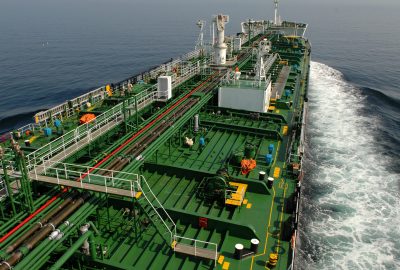
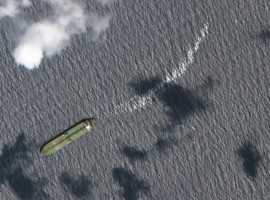
The Trump administration just turned up the heat on Iran’s oil operations, slapping fresh sanctions on Iran’s oil minister Mohsen Paknejad and a handful of shadowy tankers sneaking crude to China. Treasury’s reasoning? Paknejad is allegedly funneling billions in oil revenue directly to Iran’s armed forces, and the ships—some flagged in Hong Kong, Liberia, and Seychelles—are playing an elaborate game of maritime hide-and-seek to keep the crude flowing.

Washington has been running this playbook for years. Sanctions have been a favorite U.S. tool to curb Iran’s oil exports, but Tehran’s response has been equally predictable: deny, deflect, and keep the tankers moving. The so-called “shadow fleet” has mastered the art of deception—turning off transponders, faking ship registrations, and engaging in ship-to-ship transfers in the middle of nowhere to dodge Western oversight.

‘;
document.write(write_html);
}

China, the primary buyer of Iran’s heavily discounted crude, has consistently ignored U.S. sanctions, happily importing Iranian oil under the radar. Even India, though publicly less bold, has been indirectly linked to these shipments. Sanctioning a few tankers and companies might slow things down momentarily, but it won’t change the fact that demand for Iranian crude still exists—and where there’s demand, supply will find a way.

Geopolitically, this is Washington’s way of keeping pressure on Tehran at a time when Iran is making it abundantly clear that it won’t negotiate “under pressure and intimidation.” And with oil prices hovering around $70, the global market has yet to react dramatically. But if these sanctions actually bite and reduce Iranian exports meaningfully, there could be a ripple effect—especially if OPEC+ doesn’t step in to fill the gap.

By Julianne Geiger for Oilprice.com

More Top Reads From Oilprice.com


  • Related Posts

    Oil Prices Leap Higher as Iraq Shuts Down Production At Giant Oil Fields

    Iraq has begun curtailing oil production at key southern fields, including Rumaila, while West Qurna 2 is also shutting in roughly 460,000 barrels per day, according to Iraqi oil officials.…

    Hormuz Freeze Sends Brent-Dubai Spread to Multi-Year High

    Brent’s premium to the Middle East’s Dubai benchmark has blown out to its widest level since 2022, confirmation that the global oil market is squarely trading on disruption. As of…

    Have You Seen?

    Trump Says US to Provide Insurance to All Maritime Trade in Gulf

    • March 4, 2026
    Trump Says US to Provide Insurance to All Maritime Trade in Gulf

    Investors, US Crude Producers Scramble to Lock in Oil Price Spike 

    • March 4, 2026
    Investors, US Crude Producers Scramble to Lock in Oil Price Spike 

    Oil Prices Leap Higher as Iraq Shuts Down Production At Giant Oil Fields

    • March 4, 2026
    Oil Prices Leap Higher as Iraq Shuts Down Production At Giant Oil Fields

    Hormuz Freeze Sends Brent-Dubai Spread to Multi-Year High

    • March 3, 2026
    Hormuz Freeze Sends Brent-Dubai Spread to Multi-Year High

    US Natural Gas Futures Leap 6% as Middle East Conflict Disrupts Global Supplies

    • March 3, 2026
    US Natural Gas Futures Leap 6% as Middle East Conflict Disrupts Global Supplies

    US Considering Oil Tanker Insurance Support to Ease Middle East Crude Shipments, Sources Say

    • March 3, 2026
    US Considering Oil Tanker Insurance Support to Ease Middle East Crude Shipments, Sources Say

    India’s Industrial Gas Supply Slashed After Qatar Suspends Output

    • March 3, 2026
    India’s Industrial Gas Supply Slashed After Qatar Suspends Output

    India’s gas cuts signal wider Asian pain as Gulf LNG crisis worsens

    • March 3, 2026
    India’s gas cuts signal wider Asian pain as Gulf LNG crisis worsens

    India’s gas cuts signal wider Asian pain as Gulf LNG crisis worsens

    • March 3, 2026
    India’s gas cuts signal wider Asian pain as Gulf LNG crisis worsens

    U.S. Not Planning To Tap Strategic Petroleum Reserve Immediately

    • March 3, 2026
    U.S. Not Planning To Tap Strategic Petroleum Reserve Immediately