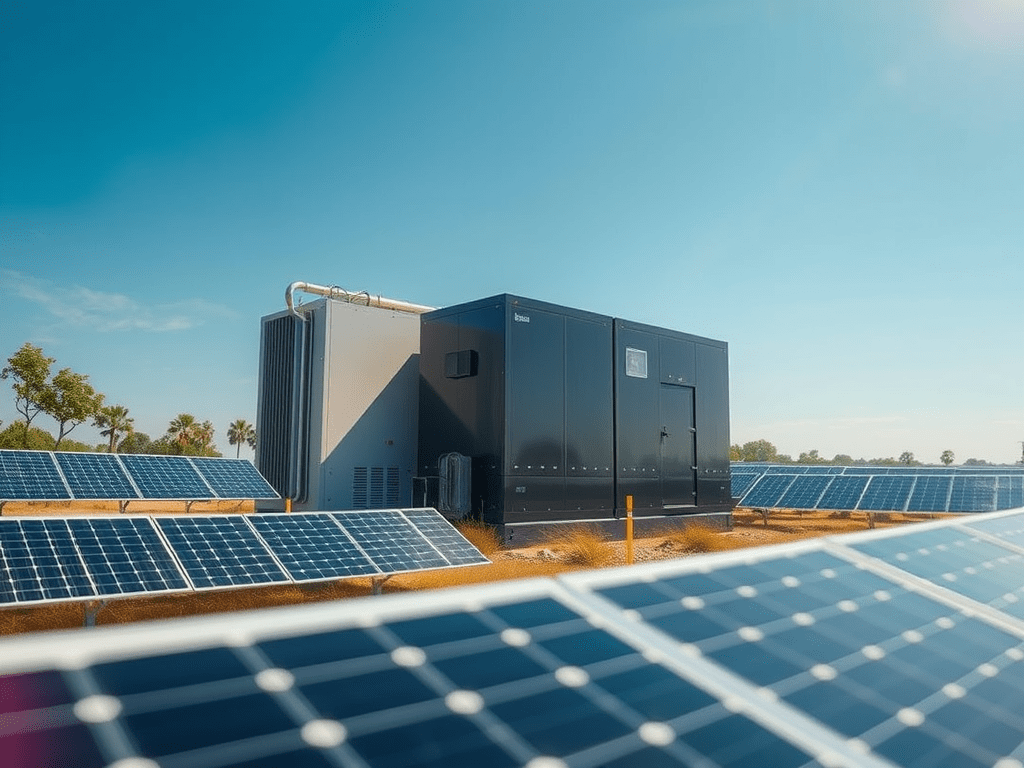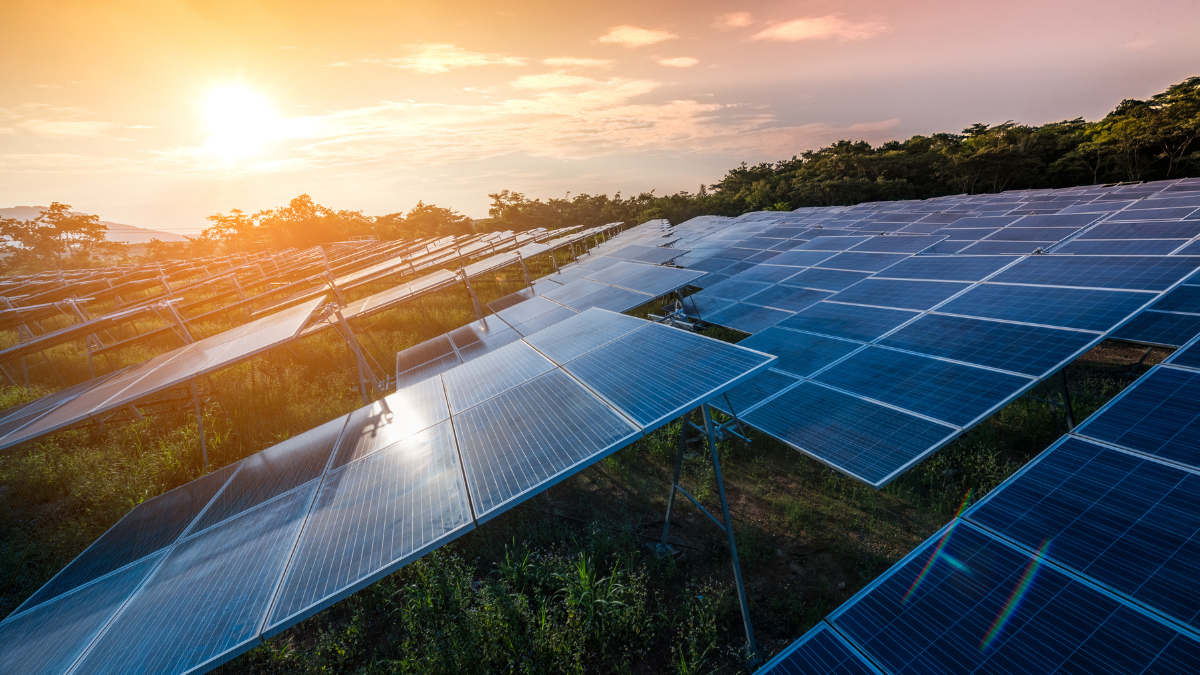
The solar market in the UAE is moving through an important and exciting phase, with several major trends shaping its direction. The country is seeing a strong rise in flagship 24/7 solar and battery projects that aim to deliver stable baseload power. These projects show how solar combined with storage can move closer to operating like traditional power plants, offering round-the-clock clean electricity. Abu Dhabi is at the center of this shift, where large solar developers and government-linked utilities are working on advanced solar-plus-battery plants designed to operate continuously. These projects are becoming strong examples of how renewable energy can meet reliability needs without depending fully on fossil fuels.
The interest in 24/7 solar and battery baseload systems reflects the UAE’s long-term net-zero ambitions. It also highlights how the country wants to demonstrate to the world that clean energy can be dependable even at a large scale. By building solar-storage projects that can deliver consistent output, the UAE is pushing global boundaries and setting new benchmarks for renewable energy integration. Strong leadership from entities like Masdar and the Emirates Water and Electricity Company (EWEC) is helping turn these ambitions into practical, bankable projects. Their experience in utility-scale solar is also helping them expand internationally and take the UAE’s renewable expertise to new markets.
Another major trend shaping the UAE’s solar sector is the continuous expansion of the Mohammed bin Rashid Al Maktoum Solar Park in Dubai. This solar park has already become one of the world’s largest renewable energy developments and continues to add new phases with larger capacities and more advanced technologies. Each expansion phase reflects learning from previous stages, improved EPC capabilities, declining technology costs, and better performance of modules and inverters. The new phases are also helping attract global partners, investors, and technology providers, keeping Dubai firmly on the map as a leading renewable energy hub. The long-term growth plan for this solar park supports Dubai’s clean energy targets and strengthens confidence among private sector players looking to invest in the region.
Corporate and industrial rooftop systems are also gaining strong traction as companies focus on reducing energy costs and meeting sustainability commitments. The UAE’s commercial and industrial (C&I) segment is now seeing rapid adoption of rooftop solar, driven by supportive policies, stable regulations, and a growing interest from businesses in clean energy solutions. Warehouses, factories, logistics centers, and commercial buildings are increasingly turning to rooftop solar to manage their bills and secure predictable long-term energy. Developers and EPC contractors are responding by offering more advanced rooftop solutions combined with digital monitoring and improved O&M services. This trend is helping create a more distributed solar landscape and allowing businesses to play a direct role in the clean energy transition.
Across all these trends, the UAE is showing how solar energy can grow in multiple directions at the same time—through large baseload solar-plus-storage projects, major utility-scale parks, and widespread rooftop installations. What makes this important is that the UAE is not just adopting clean energy but is helping shape the global conversation around solar and storage integration. The need for advanced EPC skills, smarter digital O&M tools, and efficient battery technologies is rising as the country moves toward larger and more complex renewable projects. With strong leadership from national clean energy entities and a fast-moving market, the UAE continues to strengthen its position as a global leader in solar innovation and expansion.
Subscribe to get the latest posts sent to your email.