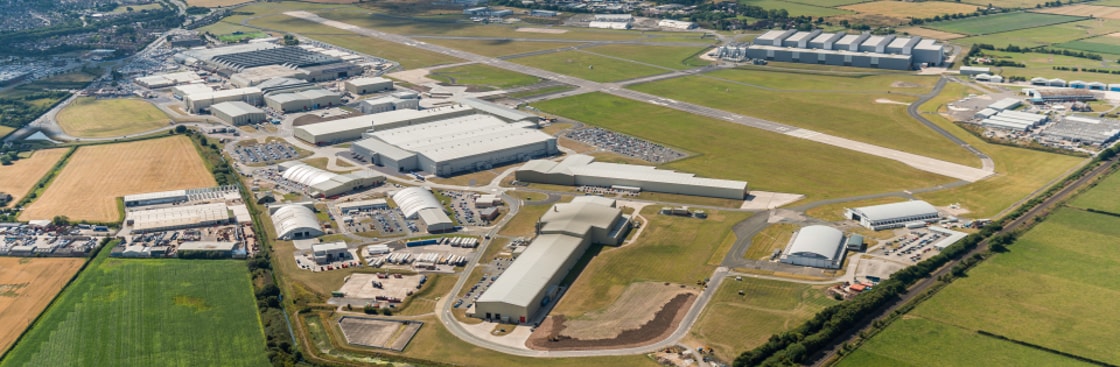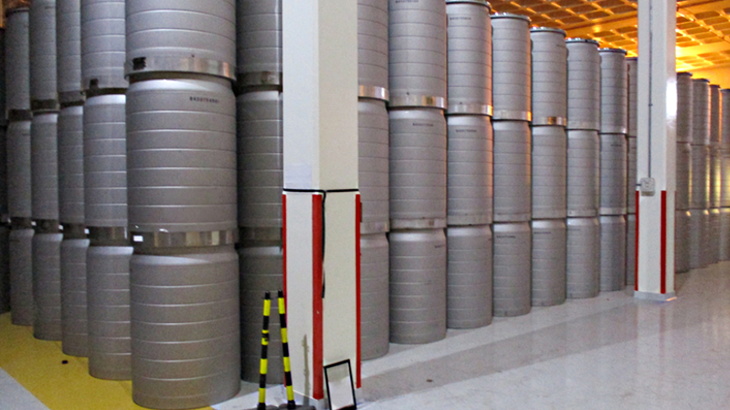
In January this year, the UK government took the decision that the country’s stockpile of civil plutonium would be disposed of, rather than used to produce mixed-oxide (MOX) fuel for nuclear power plants. The inventory arose from the reprocessing of used nuclear fuel undertaken over many decades. The UK’s stockpile of some 140 tonnes of civil plutonium is currently stored at the Sellafield site in Cumbria, in line with regulatory requirements.
The Nuclear Decommissioning Authority said the achievement of processing the first can marks “the start of a programme at the NDA group’s Sellafield site to process around 400 cans of plutonium residue”. It added: “The residue is processed and made ready for eventual disposal in a Geological Disposal Facility (GDF) in a Sellafield plant that has operated safely since the mid-1980s. Adapting and repurposing existing facilities, rather than building a new one, ensures faster delivery and better value for the taxpayer.”
NDA Group CEO David Peattie said: “This UK-first milestone demonstrates the unrivalled expertise of the NDA group, with special recognition for the Sellafield team whose innovation and specialist skills have made this achievement possible. The full immobilisation programme will take many decades, but processing this first can of residue into a disposable form represents significant progress and was achieved within 12 months of the policy being announced. Tackling the UK’s plutonium challenge will remain a top priority for the NDA group for decades, and with the support of the government’s significant investment in this mission, we’re proud to be leading the way in making the UK safer for generations to come.”
Sellafield CEO Euan Hutton added: “Turning the world’s largest stockpile of this extremely hazardous substance into a safe form and then disposing of it will dominate our work for decades. This achievement means we can deal with some of the more problematic plutonium now, making a start on putting the material beyond reach earlier, and underlines our commitment to deal with the legacy of decades of reprocessing work. Our specialist workforce, trained in unique ‘alpha’ skills, have adapted processes to handle material never managed before. Their innovation and commitment should be applauded.”
How will immobilisation work?
Immobilisation puts the plutonium beyond reach, addressing the long-term safety and security risks associated with it. As the majority of the plutonium is in a more hazardous oxide powder form and cannot be processed using existing methods, its immobilisation will require designing and proving first-of-its-kind technology to lock it into a stable form for permanent disposal in a GDF, and will require a processing plant and interim storage capability to be built at Sellafield.
The NDA was recently allocated GBP154 million (USD206 million) in government funding to develop specialised capabilities to enable plutonium disposal. The Authority said the investment, spanning five years, would allow the group, working with supply-chain partners, to design, install and operate specialist laboratory facilities at Sellafield, where experts will test and prove the technology that will be used to immobilise the plutonium, locking it away in a stable form.
Two technologies for immobilisation are being explored: Disposal MOX (DMOX), which creates ceramic pellets designed for disposal; and Hot Isostatic Pressing (HIP), where high pressures and temperatures are used to create a rock-like ceramic material. Two new state-of-the-art laboratories are being installed at Sellafield to develop and prove the technologies.