By
26 min ago 3 min read
A UK waste-to-energy carbon capture project has moved a step closer to construction after engineering consultancy Afry secured a design contract for the facility, which is expected to be a UK first.
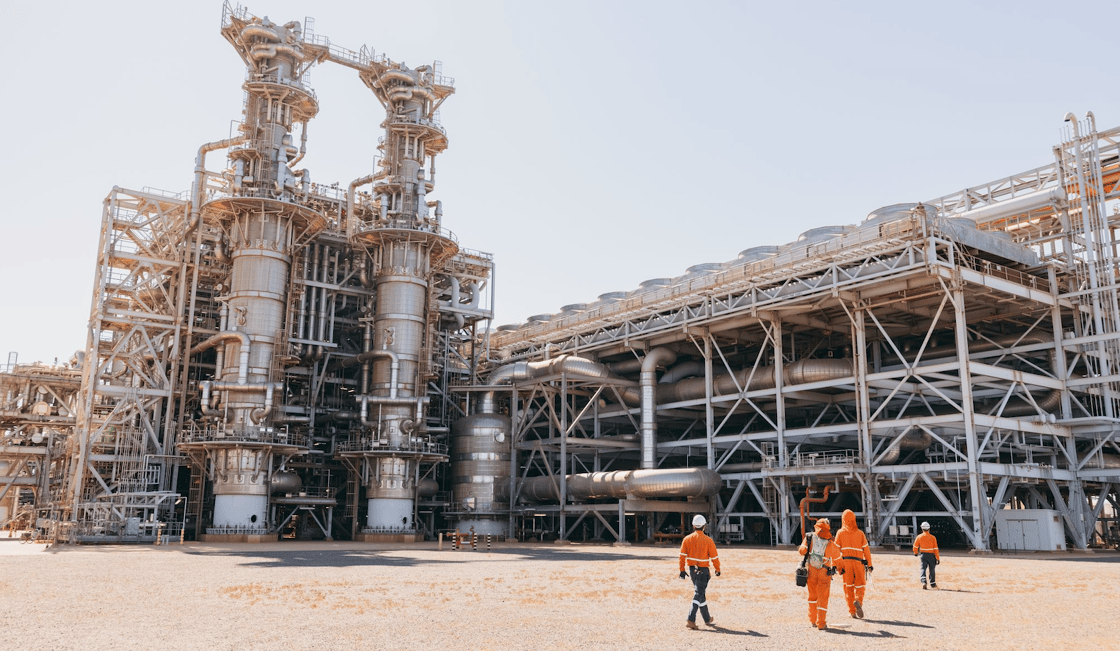
Under a contract awarded by Kanadevia Inova, Afry will deliver engineering services for the steel structures and piping systems required to integrate the carbon capture facility with the existing energy-from-waste plant.
The facility will support a project that is expected to capture both fossil and biogenic carbon dioxide as part of the HyNet North West decarbonisation cluster, one of the UK’s flagship carbon capture and low-carbon hydrogen initiatives focused on decarbonising industry across north-west England and North Wales.
Its scope includes mechanical and piping engineering, structural calculations, support systems and associated technical documentation.
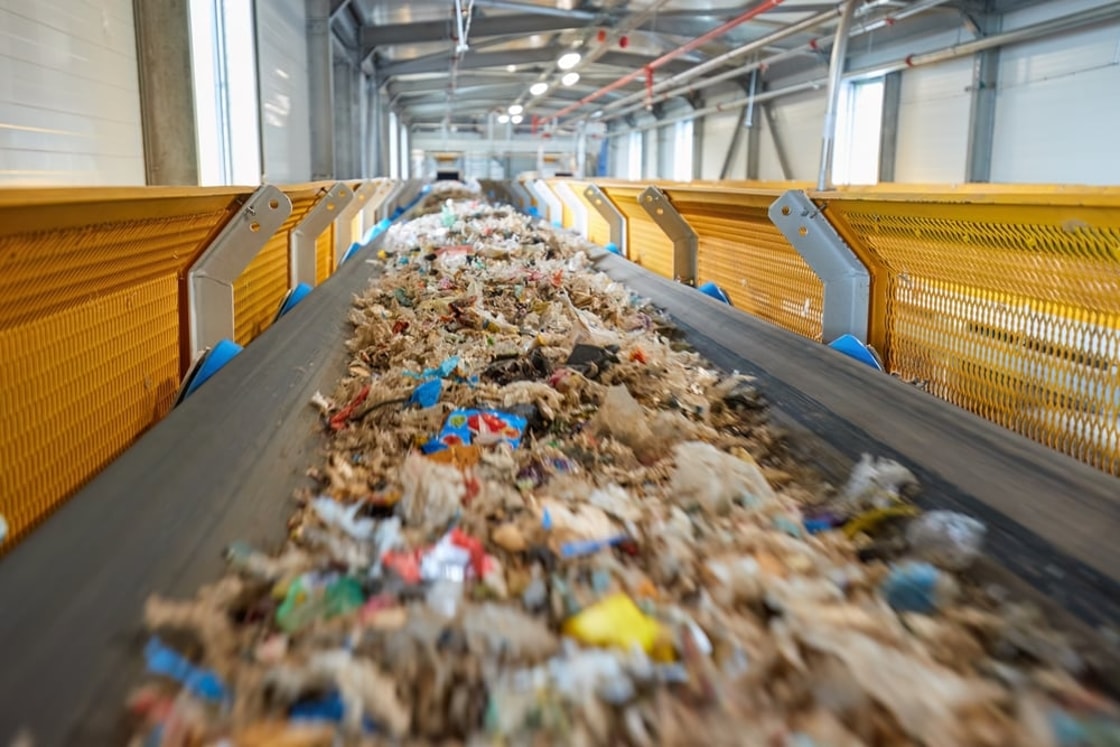
Once operational, the facility is expected to capture around 370,000 tonnes of CO2 annually from the treatment of non-recyclable waste.
The captured CO2 will be transported through the HyNet North West network for permanent storage in depleted gas reservoirs beneath Liverpool Bay, while the biogenic share of emissions offers the potential for carbon removals.
Alongside carbon transport and storage infrastructure, HyNet is also developing low-carbon hydrogen production and distribution networks to help industrial users switch away from natural gas.
Guy Skantze, Head of Segment Chemicals & Biorefining at Afry, said, “Carbon capture is a key technology in the transition to net zero, and this project demonstrates how it can be implemented at full industrial scale.”
The engineering award follows Encyclis’ final investment decision on the project last year. Construction is expected to take around three-and-a-half years, with the facility targeted to enter service in 2029.
While HyNet has secured government backing as one of the UK’s Track-1 carbon capture clusters and continues to expand with new industrial projects, it has faced a number of hurdles.
Campaign groups have challenged the scheme through the courts over environmental assessments and public consultation, while critics have questioned its reliance on blue hydrogen and the long-term economics of large-scale carbon capture infrastructure.
The project is being delivered in phases, with initial carbon capture and storage operations set to begin in 2027.
The hydrogen pipeline and associated hydrogen production networks are expected to follow shortly after, with main construction wrapping up between 2028 and 2030.