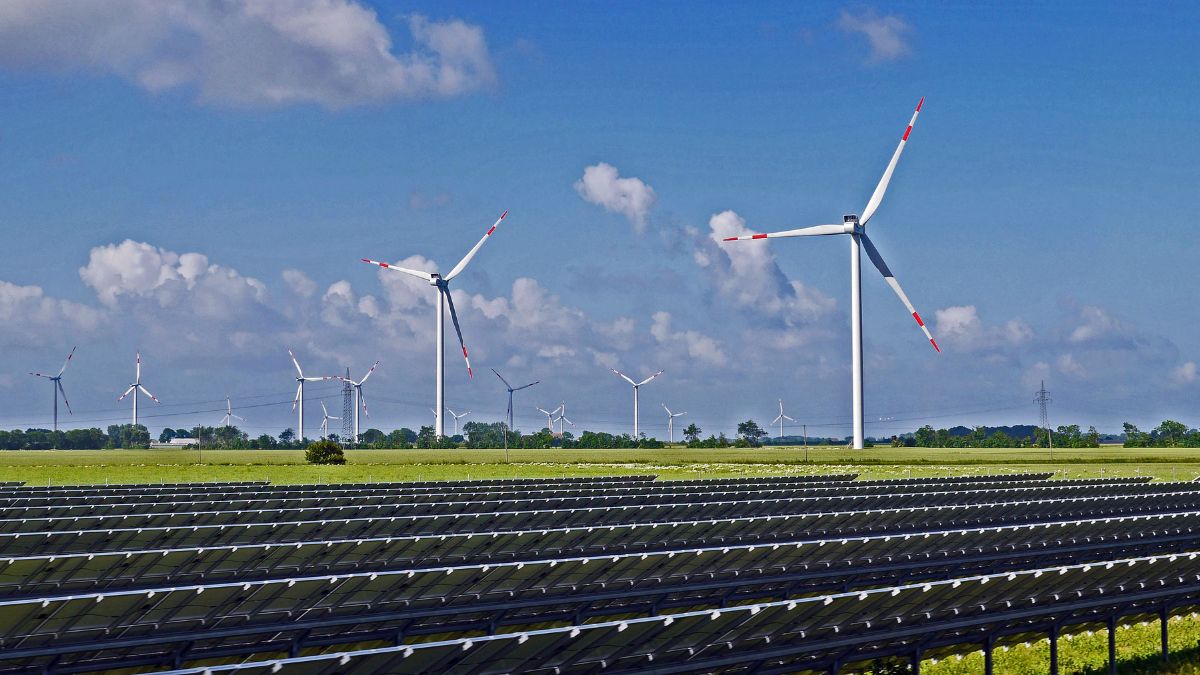
Energy yield in solar photovoltaic (PV) systems refers to the total amount of electrical energy produced by the solar panels over a specific period, usually expressed in kilowatt-hours (kWh) or megawatt-hours (MWh). This is a critical parameter for evaluating the performance and efficiency of solar installations, as it determines how much usable electricity the system can generate. The energy yield depends on various factors including the location of the installation, panel efficiency, tilt angle, orientation, and environmental conditions.
One of the most important aspects in assessing energy yield is solar irradiance, which is the amount of solar power received per unit area at the Earth’s surface. Higher irradiance levels translate into more potential energy generation. Solar panels are most efficient when positioned at an optimal tilt and facing the sun directly, as this maximizes the amount of sunlight absorbed. The geographical location of the solar installation, including its latitude and proximity to the equator, also plays a major role in energy yield. Regions that experience more sunlight year-round will generally generate higher energy outputs.
The efficiency of solar panels, which measures how effectively they convert sunlight into electricity, is another crucial factor. Modern high-efficiency panels can convert a greater proportion of solar energy into electrical energy, improving the overall energy yield. Factors such as shading, dirt accumulation, and weather conditions can affect the amount of sunlight that reaches the panels, thereby impacting their performance. For instance, dust or debris on panels can reduce the amount of light they receive, decreasing their efficiency and, consequently, the energy yield.
To maximize energy yield, proper maintenance of the system is important. Regular cleaning and monitoring of the system help ensure that the panels operate at their optimal performance levels. Another factor that can affect the energy yield is the inverter, which converts the direct current (DC) electricity generated by the solar panels into alternating current (AC) electricity used by homes and businesses. The efficiency of the inverter impacts the overall yield because energy loss during this conversion can reduce the total output.
Energy yield is also influenced by the system’s design and size. Larger systems with more panels generally produce more energy, assuming that all other factors (such as panel efficiency and site conditions) are favorable. It is also important to account for losses in the system, which can occur due to wiring, inverters, and other components. These losses are typically factored into performance ratio calculations, which represent the efficiency of a system compared to its theoretical maximum energy yield.
Overall, energy yield in solar PV systems is a comprehensive measure of the total electricity output, determined by the interaction of several factors including solar irradiance, panel efficiency, system design, and environmental conditions. By optimizing these variables, solar installations can maximize their energy production, contributing to greater efficiency and cost savings.