The Union Budget 2026–27 presents a clear and steady roadmap for India’s economic growth with a strong focus on self-reliance, infrastructure expansion, and clean energy transition. The overall tone of the budget reflects a shift from policy intent to on-ground execution, aiming to speed up decision-making, simplify regulations, and support long-term investments across sectors that are critical to national development.
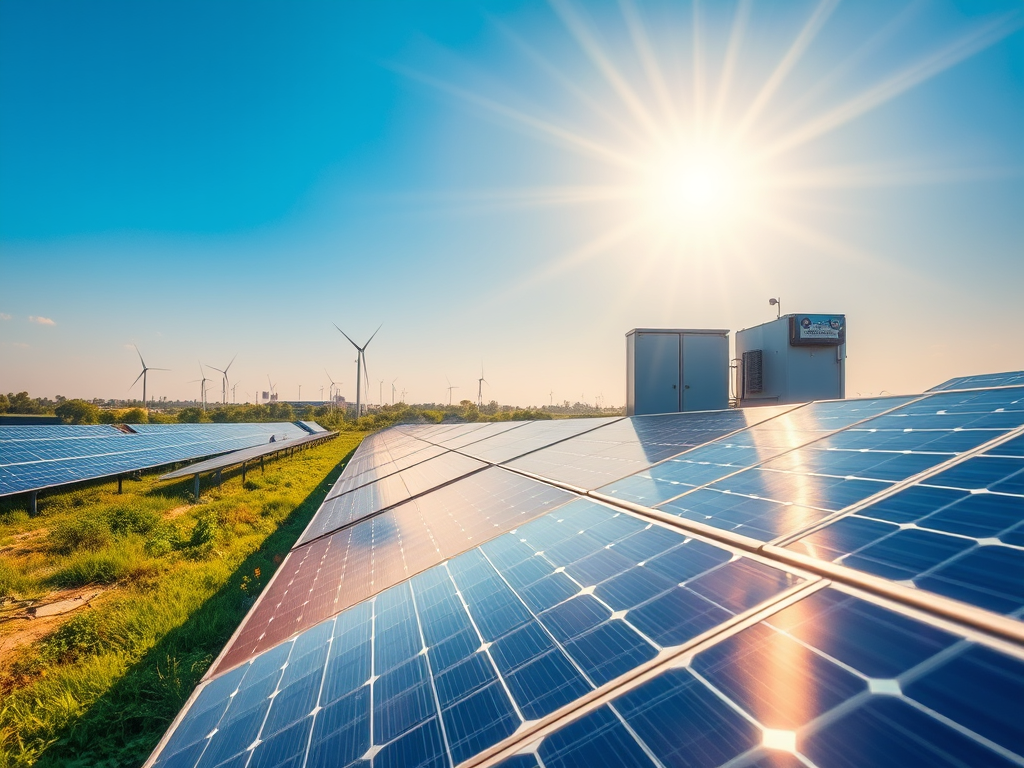
A major highlight of the budget is its strong push for clean energy and domestic manufacturing. Targeted customs duty exemptions on key inputs used in solar manufacturing, battery storage systems, and lithium-ion cell production are expected to lower costs and improve project viability. These measures will help strengthen local supply chains, reduce import dependence, and make India’s clean energy ecosystem more competitive. By easing cost pressures on critical materials and capital goods, the budget encourages deeper localization and supports scale-up across solar, storage, and allied technologies.
Energy storage emerges as a central pillar in the budget’s energy vision. Continued support for battery energy storage systems will play a key role in addressing the intermittency of renewable power, improving grid stability, and enabling reliable energy delivery. As renewable capacity grows, storage solutions will be essential for managing peak demand, balancing supply, and supporting large infrastructure projects, as well as distributed and behind-the-meter deployments.
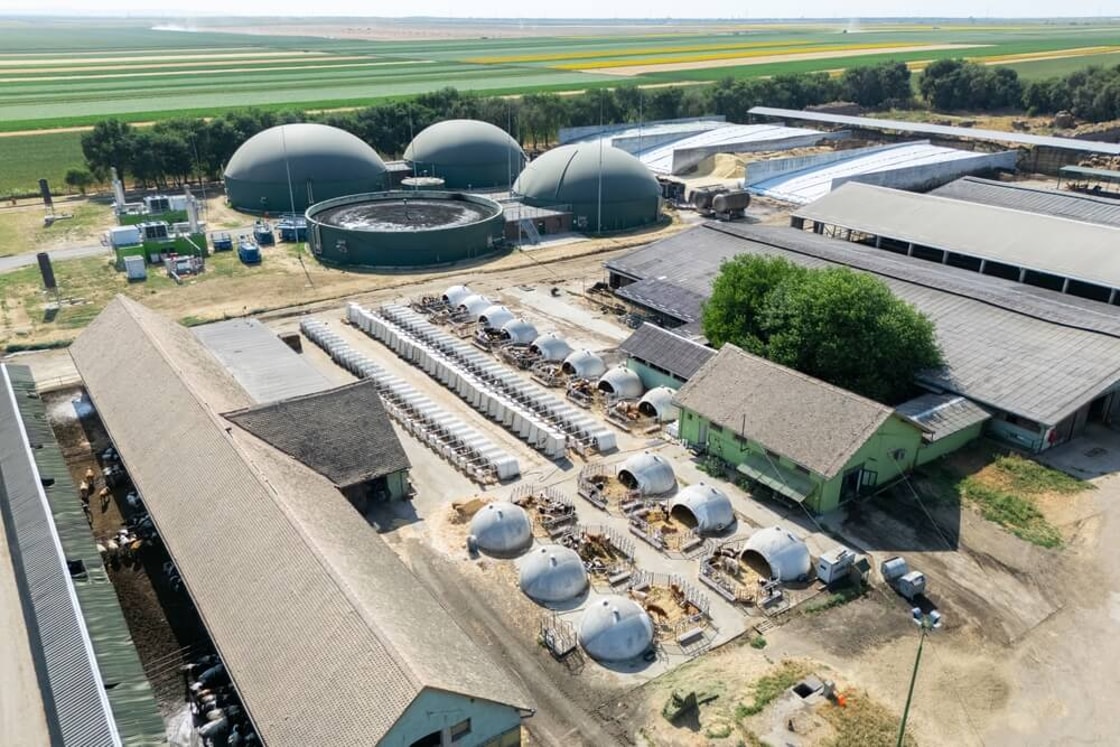
The budget also makes a notable move by allocating ₹20,000 crore for carbon capture, utilization, and storage over multiple years. This signals a transition from climate commitments to practical implementation, especially for sectors that are difficult to decarbonize, such as power generation, heavy industry, and refining. By supporting credible transition pathways, the budget improves the foundation for emerging carbon markets, enhances project bankability, and attracts private capital into climate solutions. Sustainability is positioned not as a constraint, but as a driver of competitiveness and long-term economic stability.
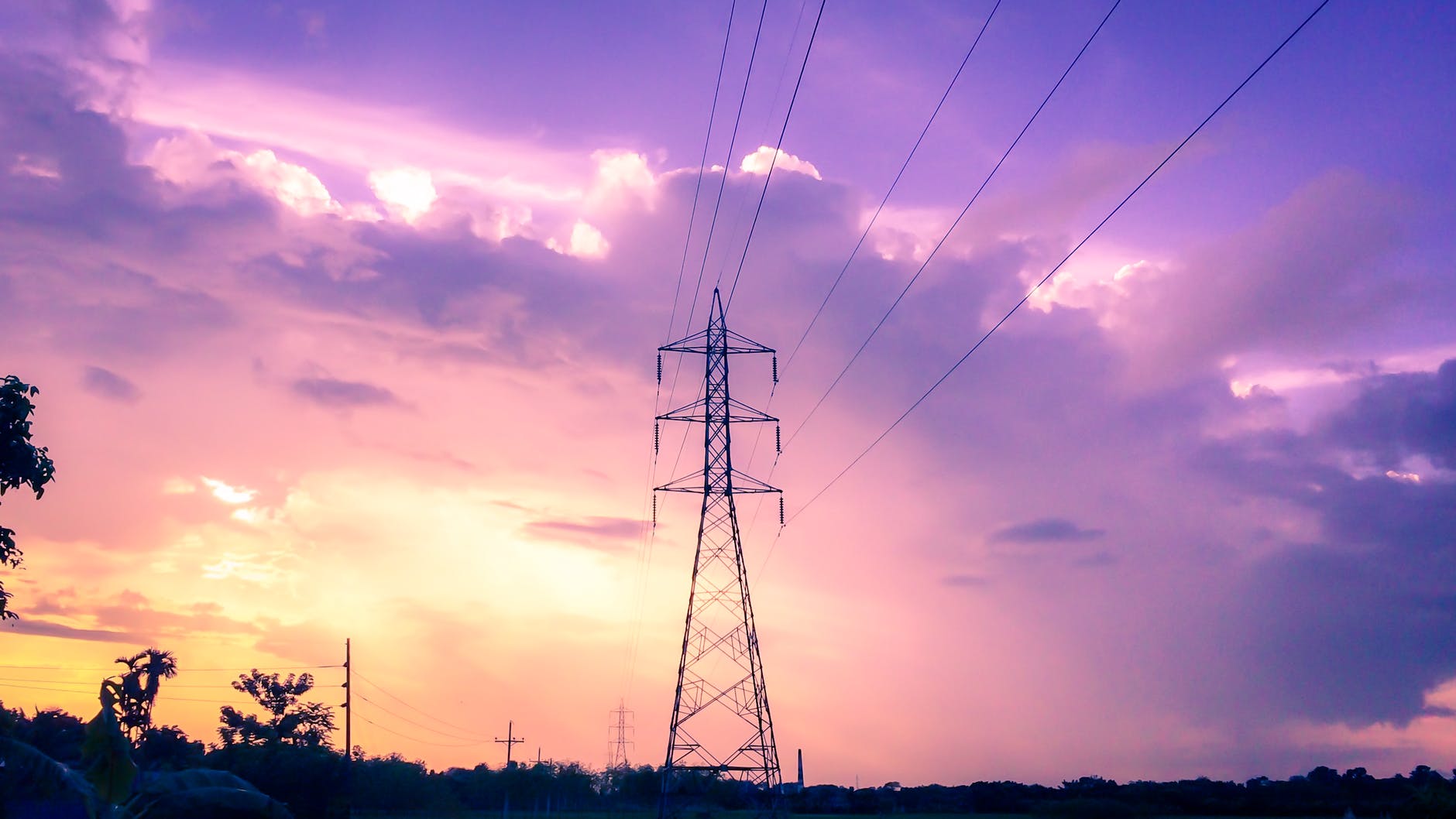
Public capital expenditure remains a strong anchor, with a continued focus on industrial corridors, freight connectivity, urban infrastructure, and power networks. This sustained investment expands the country’s physical backbone while creating demand for clean, reliable power. Improved infrastructure, combined with energy storage and grid modernization, will support faster renewable integration and regional economic growth.
Support for financing institutions and MSMEs further strengthens the clean energy ecosystem. Measures aimed at improving access to credit, easing working capital constraints, and providing professional and compliance support will help smaller businesses participate more actively in the energy transition. Programs promoting residential and distributed solar adoption are gaining momentum, making clean energy more accessible and affordable for households.
Rahul Munjal, Chairman & MD, Hero Future Energies
“The Union Budget sets a roadmap for inclusive, sustainable growth with robust infrastructure, domestic manufacturing, and a future-ready workforce. Customs duty exemptions for lithium-ion cells, BESS, and clean-energy inputs will scale domestic capacity. Support for CCUS and nuclear energy provides credible pathways for decarbonisation and capital-intensive energy investments.”
Laxit Awla, CEO & Executive Director, SAEL Industries Ltd.
“The Budget scales manufacturing and energy security via BESS duty exemptions, sodium antimonate relief, and CCUS support. Tax incentives for cloud providers catalyse investment, while vertical integration in solar and storage strengthens domestic capability and self-reliance in clean energy.”
Chandra Kishore Thakur, Global CEO, Sterling and Wilson Renewable Energy Group
“The Budget prioritises India’s energy security via renewables. Customs relief on sodium antimonate reduces solar input costs, while exemptions for lithium-ion cells and BESS improve solar viability. BESS enhances energy management and system reliability, supporting economic growth and reducing fossil fuel dependence, driving India toward renewable self-reliance.”
Saurabh Marda, Co-Founder & MD, Freyr Energy
“Restructuring of REC and PFC will strengthen financing for solar projects, improving consumer access. Customs duty relief on solar glass and BESS supports domestic clean energy. Combined with PM Surya Ghar serving 2.5 lakh households, these measures enable affordable solar adoption, reinforcing India’s clean energy ecosystem and market growth.”
D.V. Manjunatha, Founder & CMD, Emmvee Photovoltaic Power Limited
“Union Budget 2026 reinforces renewable policy stability, shifting focus from incentives to execution, scale, and quality. Long-term consistency gives solar manufacturers confidence, strengthening India’s position as a credible global hub for clean energy solutions and supporting sustainable growth.”
Suhas Donthi, CEO, Emmvee Photovoltaic Power Limited
“The Budget signals stability and continuity, ensuring predictability for renewable energy manufacturing. Fiscal discipline, sustained capex, and ease of doing business support execution, access to capital, and deeper domestic value chains, positioning India to strengthen manufacturing competitiveness and achieve clean-energy ambitions.”
Karthik Raju, Executive Director, Atria Renewable Pvt. Ltd.
“The Union Budget 2026–27 strengthens India’s renewable energy ecosystem. Customs duty exemptions on sodium antimonate and capital goods for lithium-ion cells and BESS reduce costs, boost competitiveness, and support ‘Make in India.’ These measures improve solar project viability, promote innovation, and accelerate India’s transition to a resilient, affordable, and sustainable energy future.”
Manish Dabkara, Chairman & MD, EKI Energy Services; President, Carbon Markets Association of India
“The ₹20,000 crore allocation for CCUS marks a shift from intent to execution in decarbonising power, steel, cement, and refineries. Coupled with support for critical minerals and domestic manufacturing, the Budget strengthens carbon markets, improves project viability, and positions sustainability as a growth enabler while advancing India’s net-zero ambitions.”
Piyush Goyal, Co-Founder & CEO, Volks Energie
“Budget 2026 advances resilient, future-ready infrastructure with a ₹12.2 lakh crore capex push. Customs duty exemptions for BESS lower costs, boost domestic manufacturing, and enable integration of storage in large projects, supporting grid stability, managing peak demand, and fostering a sustainable energy ecosystem aligned with India’s growth and climate goals.”
Anand Jain, Founder, Aerem Solutions
“Budget 2026 boosts energy security via renewables, storage, and critical minerals. Exemptions for lithium-ion cells and solar glass reduce costs, while CCUS support with ₹20,000 crore enables deep decarbonisation. MSME-focused measures enhance capital access, freeing resources for clean energy adoption and long-duration investments in distributed solar and storage.”
Praveen Kakulte, Founder & CEO, POWERCON Group
“The Budget 2026 advances energy security, climate goals, and a low-carbon economy. With ₹20,000 crore for CCUS and support for renewables and storage, it strengthens India’s power mix. Inclusive measures for MSMEs and women entrepreneurs create opportunities, enabling clean, reliable, and affordable energy for all.”
Devansh Jain, Executive Director, INOXGFL Group
“The Union Budget 2026–27 reinforces India’s low-carbon energy strategy. Customs duty relief for BESS and solar manufacturing inputs strengthens grid stability and domestic value chains. The ₹20,000 crore CCUS allocation enables decarbonisation while preserving industrial competitiveness, combining clean energy deployment with infrastructure expansion and self-reliance.”
Deepak Acharya, CEO, INOX India Limited
“The Budget 2026 prioritises long-term capital investment and infrastructure build-out, strengthening India’s clean energy and advanced manufacturing. Support for renewable energy, clean fuels, and industrial equipment creates policy stability. Substantial resource transfers to states enable large-scale projects, accelerating energy transition, advanced manufacturing, and resilient infrastructure development.”
Rishi Srivastava, Co-founder, Offgrid Energy Labs
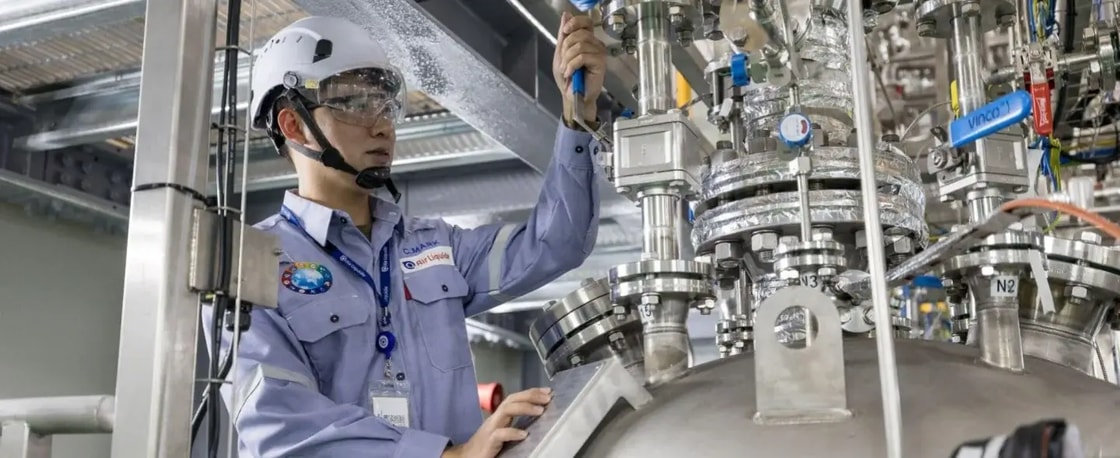
“The Budget 2026 treats advanced manufacturing and energy storage as long-term capabilities. Duty exemptions for BESS and capital goods for critical minerals address cost and capability challenges. Continuity via initiatives like ISM 2.0 ensures companies can invest, innovate, and scale domestic storage manufacturing with confidence.”
Navneet Daga, Co-founder & CEO, Zenergize
“The Budget’s focus on electronics and semiconductor manufacturing strengthens India’s EV and renewable ecosystem. Domestic production of inverters could generate 50–60 lakh jobs in three years. Investing in advanced components like SiC MOSFETs is crucial to reduce import dependency and enable India to emerge as a global clean energy technology leader.”
Ashwin Shankar, CEO & Founder, BatteryPool
“Exemptions on lithium-ion cell inputs and BESS capital goods lower battery costs, supporting affordable clean mobility for 2W/3W fleets. These measures enhance vehicle uptime, reliable power for gig workers, and efficient supply chains—scaling inclusion and strengthening India’s clean mobility ecosystem.”
Rajesh Kumar Singh, CEO, Jyoti Structures Ltd.
“The Budget 2026 supports the expansion of India’s power transmission and infrastructure. Capex, freight corridors, city economic regions, and targeted investments strengthen the grid and renewable integration. Measures like the Infrastructure Risk Guarantee Fund improve financing confidence and facilitate the timely completion of large-scale EPC projects.”
Mr. Srinivas Suthram, Senior VP, Kshema Power India
“The Budget can accelerate solar and wind deployment via consistent policy support, land availability, and grid connectivity. Rationalised import duties on critical renewable components reduce costs and improve project viability, strengthening India’s clean energy ecosystem and investor confidence.”
Jitendra Kumar Agarwal, Joint MD, Genus Power Infrastructures Ltd.
“The Budget reinforces growth via fiscal consolidation and ₹12.2 lakh crore capex. Customs duty relief for BESS, solar inputs, and a ₹20,000 crore CCUS allocation strengthen system resilience, accelerate renewable deployment, and support reliable, technology-enabled power systems for India’s evolving industrial and energy needs.”
Overall, the Union Budget 2026–27 reflects policy continuity, fiscal discipline, and a balanced approach to growth. By aligning infrastructure development, manufacturing depth, clean energy deployment, and climate action, the budget creates a predictable and stable environment for long-term investments. It lays a solid foundation for a resilient, low-carbon, and future-ready Indian economy while reinforcing confidence across the clean energy value chain.
Subscribe to get the latest posts sent to your email.