Loviisa – comprising two VVER-440 type pressurised water reactors – was the first nuclear power plant in Finland and currently provides more than 10% of the country’s electricity. Loviisa unit 1 began commercial operation in 1977, with unit 2 following in 1981. In February 2023, the Finnish government granted Fortum an extension to the operating licence for the two units, allowing the plant to continue generating power until the end of 2050.
The modernisation of the low-pressure turbines is the largest single project in the modernisation of Loviisa’s turbine island. It involves renewing the housings and internal parts of the plant’s eight low-pressure turbines. The goal of the renewal is to significantly improve the efficiency of the turbine plant, which will enable higher electricity production without increasing the thermal power of the reactor. The project is being delivered by the Czech company Doosan Škoda Power under a contract signed in May 2024.
A turbine automation upgrade will replace the turbine protection and control systems and related actuators of both plant units. Turbine automation plays a key role in the safe, reliable and efficient operation of the turbine plant, as it controls and monitors the operation of the turbines in all operating situations. The upgrade will update the systems to meet current technical requirements, which will improve their reliability, maintainability and availability of spare parts. In addition to the turbine automation, the generator auxiliary systems will be modernised, which will enhance the real-time monitoring and control of the systems from the control room. The turbine automation will be supplied by Finnish company Valmet.
The main seawater pumps are also being modernised as part of the turbine plant’s cooling process. The main seawater pumps are responsible for circulating seawater to the condensers, where the steam leaving the turbines is cooled back to water and returned to the power plant process. Both plant units have four main seawater pumps in use. The current pumps and their motors are approaching the end of their technical service life, which is why they are being replaced as part of the power plant’s long-term investment programme. The project is being delivered by Andritz from Austria.
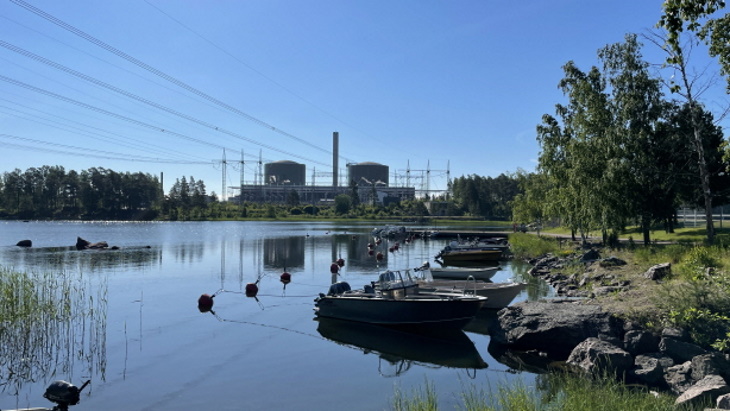
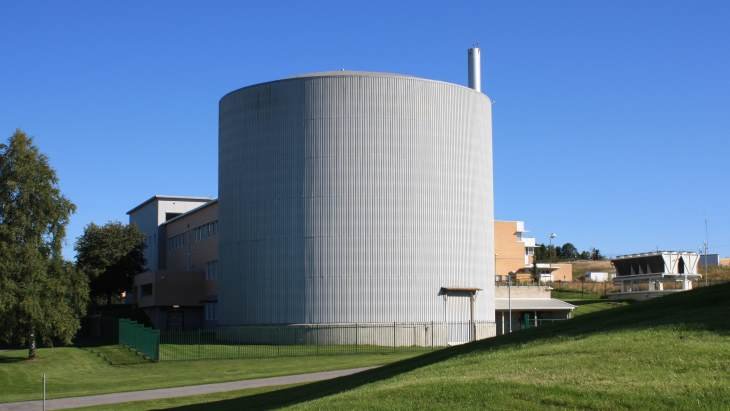
Loviisa (Image: Fortum)
The modernisation programme – to be implemented in stages up to 2028 in connection with annual maintenance outages – will result in an increase in the total capacity of about 38 MWe from the plant’s current capacity of 1,014 MWe and will raise the expected generation from plant over the course of the new licence period from 170 TWh to 177 TWh.
“The upgrades will ensure the turbines will operate reliably until the end of their service life,” Fortum said. “Some of the current components are approaching the end of their technical service life, which will make their maintenance and spare parts availability more difficult in the coming years. At the same time, the operating environment has changed, and geopolitical factors have increased uncertainty regarding the support provided by some original equipment and system suppliers and the availability of spare parts. The modernisation will ensure that the power plant can safely and reliably utilise modern, long-term supported technologies.”
Fortum invested about EUR70 million (USD81 million) last year in refurbishing the Loviisa plant. The company estimates that investments related to the continuation of operations and the lifetime extension will amount to about EUR1 billion by 2050.