The US carried out airstrikes on an Iranian military site and imposed new sanctions to prevent Tehran from profiting from vessels transiting the Strait of Hormuz, highlighting the fragility of recent diplomatic momentum.
An American official described the attacks as defensive, saying the US intends to maintain the ceasefire that began last month. The official said US Central Command forces had shot down a quartet of one-way Iranian attack drones that were fired at a commercial ship and also struck another Iranian drone-launching unit in Bandar Abbas, near the strait.
Adding to the tensions, Kuwait said it was responding to hostile missile and drone threats. The nation’s army said in a social media post that ‘any explosions that may be heard are the result of air defense systems intercepting hostile targets.”
Hours earlier, President Donald Trump asserted that no one nation would control the vital waterway, highlighting a key obstacle in resolving the conflict.
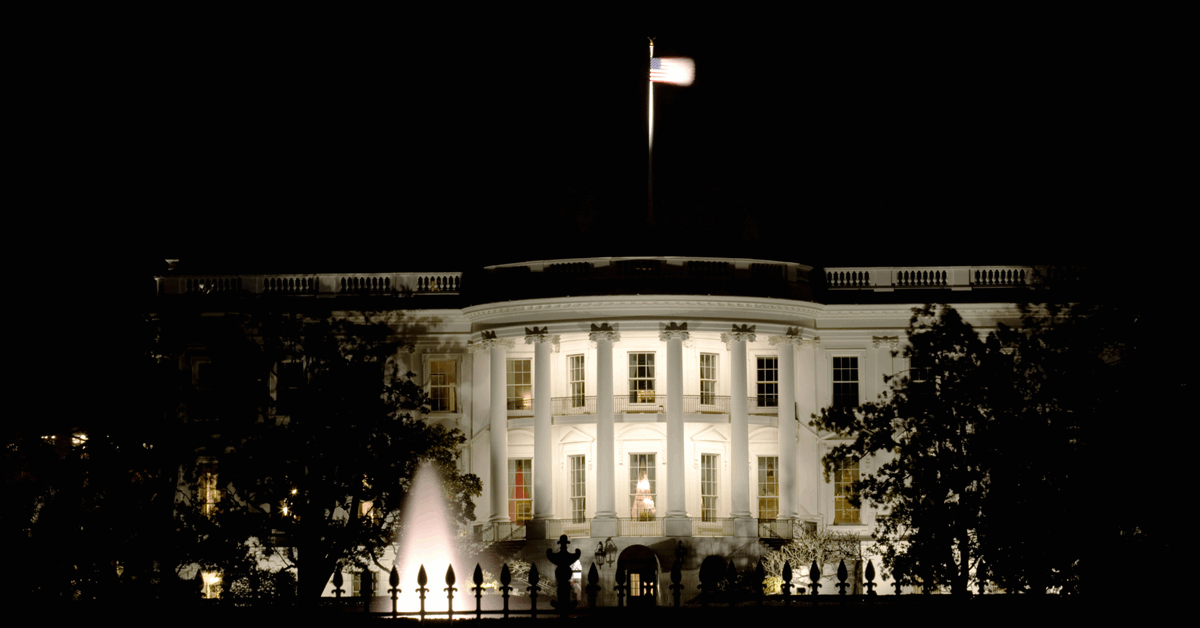
“It’s international waters,” Trump said during a meeting of his cabinet at the White House. “The strait’s going to be open to everybody” and the US will “watch over it.”
Trump didn’t indicate what steps the US might take to ensure the free transit of vessels. Iran has effectively choked off traffic through the Strait of Hormuz, triggering oil and gasoline price surges that have rattled the global economy since the US and Israel launched attacks on Iran on Feb. 28.
The US Treasury said it took action against Iran’s Persian Gulf Strait Authority, accusing it of launching a new attempt “to monetize its campaign of state-sponsored terror by extorting vessels transiting the Strait of Hormuz.”
Iran has expanded its claimed jurisdiction and set out new rules for vessels seeking to transit the waterway, which normally handles around a fifth of the world’s oil and liquefied natural gas supply. That involves seafarers dealing with the new Iranian agency and sometimes getting payment requests of as much as $2 million for safe passage.
Brent, the global crude oil benchmark, advanced 2 percent to $96.15 a barrel early Thursday. Asian equities fell from record highs as investors weighed conflicting signals over prospects for an accord.
The American president has, by turns, instituted his own blockade of Iranian ports along the strait, called for allies to assist with the effort to pry it open so that commercial ships and tankers could resume safe passage, and threatened to resume major airstrikes against Iran – all to little avail.
Trump has continued to suggest that an accord is close, yet he finds himself caught between Iranian demands for an end to attacks as well as financial relief, and pressure from Republican hawks to “finish the job” – or at least not to sign a bad deal.
Those competing pressures have, so far, kept an agreement to end the war out of reach.
What do you think? We’d love to hear from you, join the conversation on the
The is a new social experience created for you and all energy professionals to Speak Up about our industry, share knowledge, connect with peers and industry insiders and engage in a professional community that will empower your career in energy.