By

Energy companies heading to Venezuela are being told to bring their own power plants to run their oil and natural gas operations and shield them from frequent blackouts on the nation’s ill-maintained electricity grid.
Get the Latest US Focused Energy News Delivered to You! It’s FREE:
New regulations drafted for Venezuela’s oil law demand that companies be self-sufficient in power generation in oil and gas areas. The rules also consider allowing private companies to supply power to oil developers, according to a draft of the regulations. Unlike in the past, companies will need to go off-grid to avoid stressing an already frail electricity system, according to the document circulated in mid-May and seen by Bloomberg.
Access to reliable electricity is a challenge for Venezuela’s longstanding desire to become an energy juggernaut again, a goal bolstered after the Trump administration forcibly removed former president Nicolás Maduro in early January and loosened sanctions. The US measure ushered in a new administration led by Maduro’s No. 2, Delcy Rodríguez, a new oil law and a rush of investors to Caracas to secure contracts.
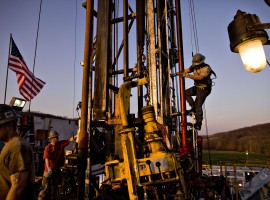
The new regulations aim to safeguard Venezuela’s grid, which faces frequent outages that disrupt households and hamper operations of oil producers. Oil extraction from wells relies on electric motors that are susceptible to grid frequency fluctuations. If variations are detected, motors shut down, causing production to drop until the well can be restarted by a system or manually by workers. The result is lost time and output.
Electricity failures on April 23 affected Chevron Corp.’s 827 wells in eastern Venezuela’s Orinoco Belt that holds vast crude reserves, resulting in a decrease in production, according to a document seen by Bloomberg. Failures happen on a daily basis in Venezuela’s oil and gas fields, according to three people with knowledge of the situation and historic production records seen by Bloomberg. More than 95% of the US major’s wells in the Orinoco fields depend on the nationwide grid. Less than 5% of the area’s oil rigs are powered by generators, said one of the people.
“Every time one of those major power failures occurs — the kind where everyone’s refrigerator starts to suffer and our computers crash — just imagine what that does to the oil wells,” Chevron spokeswoman Susana Brugada said at a May 21 meeting with humanitarian groups that was broadcast by local television network Televen.
The situation is similar in Lake Maracaibo, an oil-rich basin in the country’s northwest. The state-led joint venture Petrozamora, which pumps as much as 8% of the country’s total output, is helping Petróleos de Venezuela SA upgrade the San Timoteo gas-powered plant to increase production, according to a person familiar with the matter.
Chevron, PDVSA and Venezuela’s Information Ministry declined to comment.
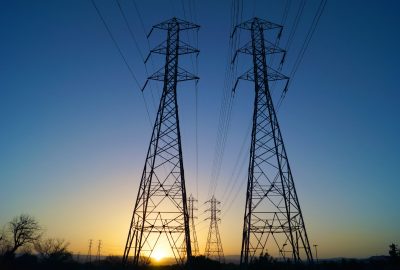
Venezuela relies heavily on hydroelectricity and, to a lesser extent, plants that burn fuel oil and natural gas to generate power. But decades of rampant corruption, underinvestment and lack of maintenance shut down projects and plants, making the grid more vulnerable.
Hydro plants are operating at 60% capacity and thermoelectric plants run at 20% of their potential, according to Miguel Lara, an adviser to foreign energy firms. A total of 35 outages have been reported from January to April, said Lara, who led Venezuela’s power planning agency from 1999 to 2004. The nation’s demands leave it with a 2,000 to 3,000 megawatt shortfall, he said.
“The country’s current supply deficit means that any expansion of oil-related activity hinges on self-generation meeting that increased demand,” Lara said. “Since the nation’s grid currently lacks the capacity to meet this demand, it would have to be secured by curtailing the electricity supply to the general public, which I do not believe is a viable scenario.”
Share This:
More News Articles