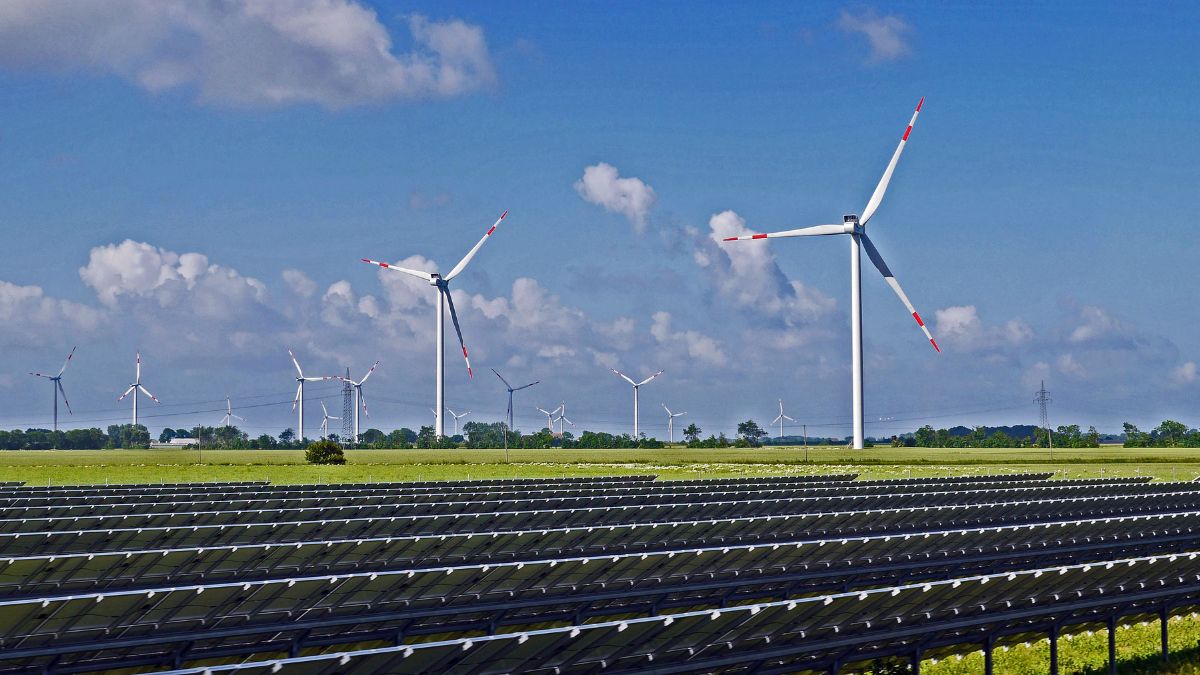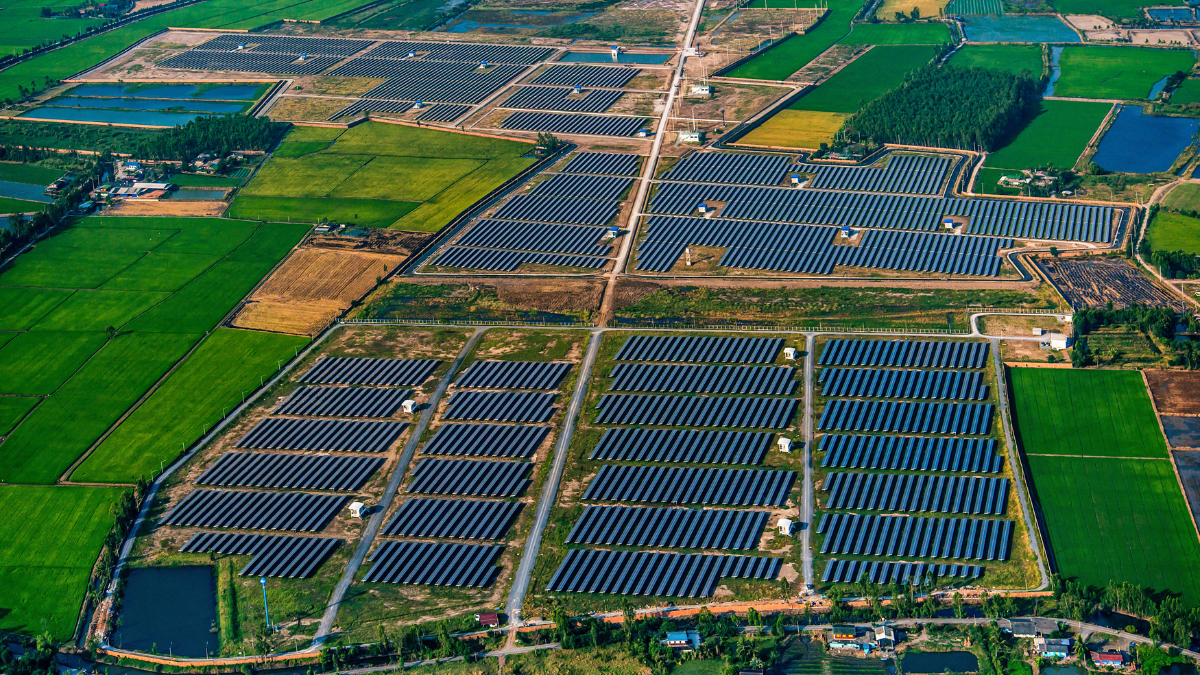
WATT Renewable Corporation has secured a significant $15 million debt facility from the Afrigreen Debt Impact Fund, aimed at advancing hybrid solar power projects across Nigeria. The financing, tailored in local currency, is designed to mitigate the risks associated with the devaluation of the Nigerian Naira, aligning with the payment structures of power purchase agreements (PPAs).
The funds will primarily be utilized to establish hybrid solar facilities catering to commercial and industrial clients, specifically in sectors such as telecommunications and financial services. This initiative is a key part of WATT’s broader plan to expand access to renewable energy and contribute to Nigeria’s sustainable energy goals.
Impact on Solar Power Development in Nigeria
The funding is expected to have several profound effects on Nigeria’s energy landscape:
- Increased Access to Renewable Energy: The development of additional hybrid solar sites will significantly expand access to clean energy for businesses in key sectors like telecommunications and finance, helping to address the country’s growing demand for stable and reliable power.
- Support for Economic Growth: The hybrid solar solutions will offer businesses a dependable alternative to Nigeria’s erratic power grid, reducing reliance on costly and unstable energy sources. This will not only lower operational costs but also promote broader economic growth in local communities.
- Job Creation: As WATT progresses with its solar projects, new opportunities for skilled labor will arise in areas such as installation, maintenance, and operations. The renewable energy sector is poised to benefit from these job creation opportunities, strengthening the local workforce.
- Enhancement of Energy Security: By diversifying Nigeria’s energy sources, these hybrid solar systems will help mitigate the risks associated with the volatility of fossil fuel prices and potential supply disruptions, improving overall energy security in the region.
- Reduction in Carbon Footprint: The shift toward solar energy supports Nigeria’s efforts to reduce its carbon footprint and meet global climate change objectives. The transition to hybrid solar models is expected to play a crucial role in achieving the country’s environmental sustainability targets.
- Attracting Further Investments: The success of this initiative could bolster confidence in Nigeria’s renewable energy market, attracting additional investment both locally and internationally. The scale of the project demonstrates the viability of large-scale solar installations in the country.
- Encouraging Technological Innovation: The emphasis on hybrid systems may drive the adoption of advanced energy technologies, such as energy storage and smart grid solutions, thereby enhancing the efficiency and reliability of Nigeria’s energy infrastructure.
- Strengthening of Local Partnerships: The collaboration between WATT and Afrigreen highlights the significance of strategic partnerships in financing renewable energy projects. This cooperation is expected to inspire similar ventures that foster local investment in clean energy initiatives.
- Alignment with National Policies: The solar projects align with Nigeria’s National Renewable Energy and Energy Efficiency Policy (NREEEP), which aims to increase the share of renewables in the national energy mix while expanding electricity access across the country.
- Community Empowerment: Beyond the direct impact on businesses, these projects are likely to have broader societal benefits, including job creation in surrounding areas and improved services, as businesses gain access to reliable energy supplies.
Through this innovative funding arrangement, WATT is poised to make significant strides in Nigeria’s transition toward a more sustainable energy future. The development of hybrid solar facilities promises to enhance energy access, foster economic growth, and support the country’s long-term sustainability goals.