Choosing cleaner sources of power is becoming a priority in the Philippines as fuel prices rise and climate risks increase. Wind and solar energy are emerging as practical solutions because they rely on natural resources that are widely available across the country. Unlike conventional power, these sources do not depend on imported fuel or volatile global markets, making them more stable over the long term.
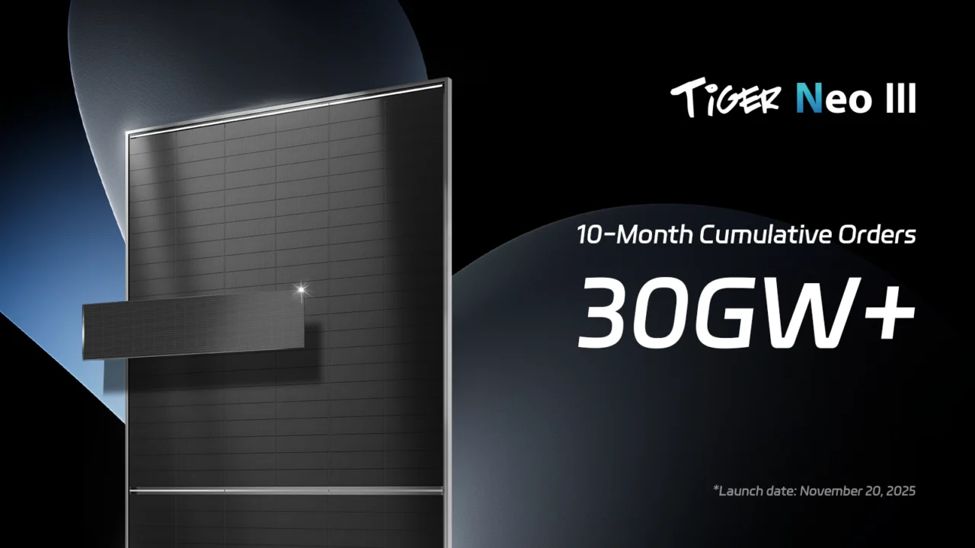
Solar energy, in particular, has gained strong traction. The Philippines receives sunlight for most of the year, placing it among the most suitable countries in Asia for solar power generation. Solar panels convert sunlight directly into electricity and can be installed on rooftops or open land. Once installed, these systems operate quietly, require minimal maintenance, and can produce power for decades.
One of the key reasons users choose solar is the control it offers. Instead of depending entirely on the grid, households and businesses can generate their own electricity. This reduces exposure to sudden tariff increases and makes energy costs more predictable. For businesses, this stability allows savings to be redirected into expansion or technology upgrades.
Electricity prices in the Philippines remain among the highest in Asia, largely due to fuel imports. Solar energy helps reverse this trend. While the upfront cost of installation can be significant, the system pays for itself through reduced electricity bills. Many commercial users achieve full payback within four to five years and then benefit from low-cost power for up to twenty years. According to project experience shared in the sector, large systems have reduced operating costs by more than half in industries such as manufacturing, logistics, and retail.
Solar energy also improves reliability. Systems paired with batteries can continue supplying power during outages or brownouts. Homes can maintain basic needs like lighting and refrigeration, while businesses can keep critical operations running. This independence is especially valuable in areas where grid supply is inconsistent.
From an environmental perspective, solar power produces electricity without smoke, noise, or carbon emissions. Each unit of solar power generated helps reduce carbon output, and even medium-sized systems can offset large amounts of emissions over their lifetime. Solar also avoids the environmental damage linked to large power plants and long transmission lines.
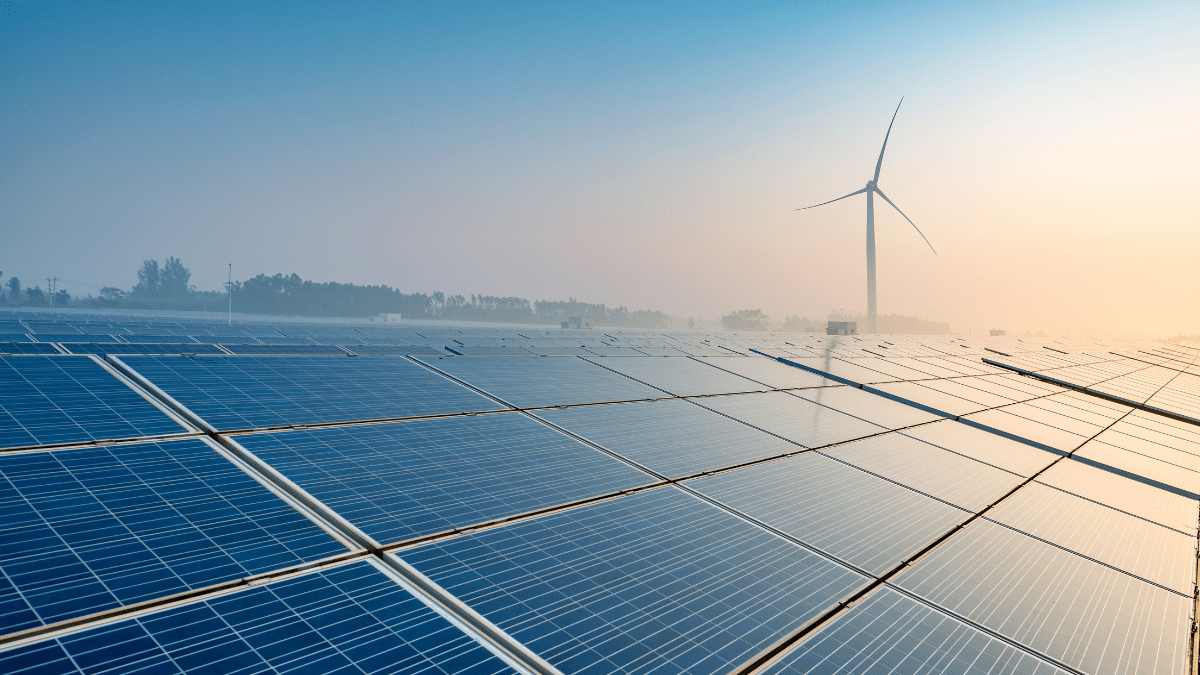
Wind energy complements solar generation. While solar works best during the day, wind often produces power at night or during rainy conditions. Combined wind and solar systems provide a more balanced and consistent power supply, particularly in coastal, elevated, or island areas. This hybrid approach improves energy security and reduces dependence on any single source.
Renewable energy projects also support local economies. They create jobs for engineers, electricians, and technicians during installation and maintenance. Instead of spending on imported fuel, more money stays within local communities, supporting related businesses and services.
Government support has further strengthened renewable adoption. Programs such as the Green Energy Option Program allow users to source power directly from renewable suppliers. Net metering policies enable households and businesses to send excess power back to the grid for credits, improving project economics.
As more users adopt wind and solar energy, the Philippines moves closer to energy independence. These technologies offer cost savings, reliability, and environmental benefits, making them practical tools for long-term national progress.