India’s electricity consumption is increasing rapidly, driven by urbanization, digital transformation, and a growing middle class. The electricity demand rose from 1,037 TWh in 2015-16 to an estimated 1,690 TWh in 2024-25, marking a compound annual growth rate of 5.6%. This surge is attributed to the expanding usage of home appliances, electric vehicles, data centers, and digital commerce. The country’s shift to renewable energy in response to net-zero commitments has further intensified the need for reliable grid infrastructure.
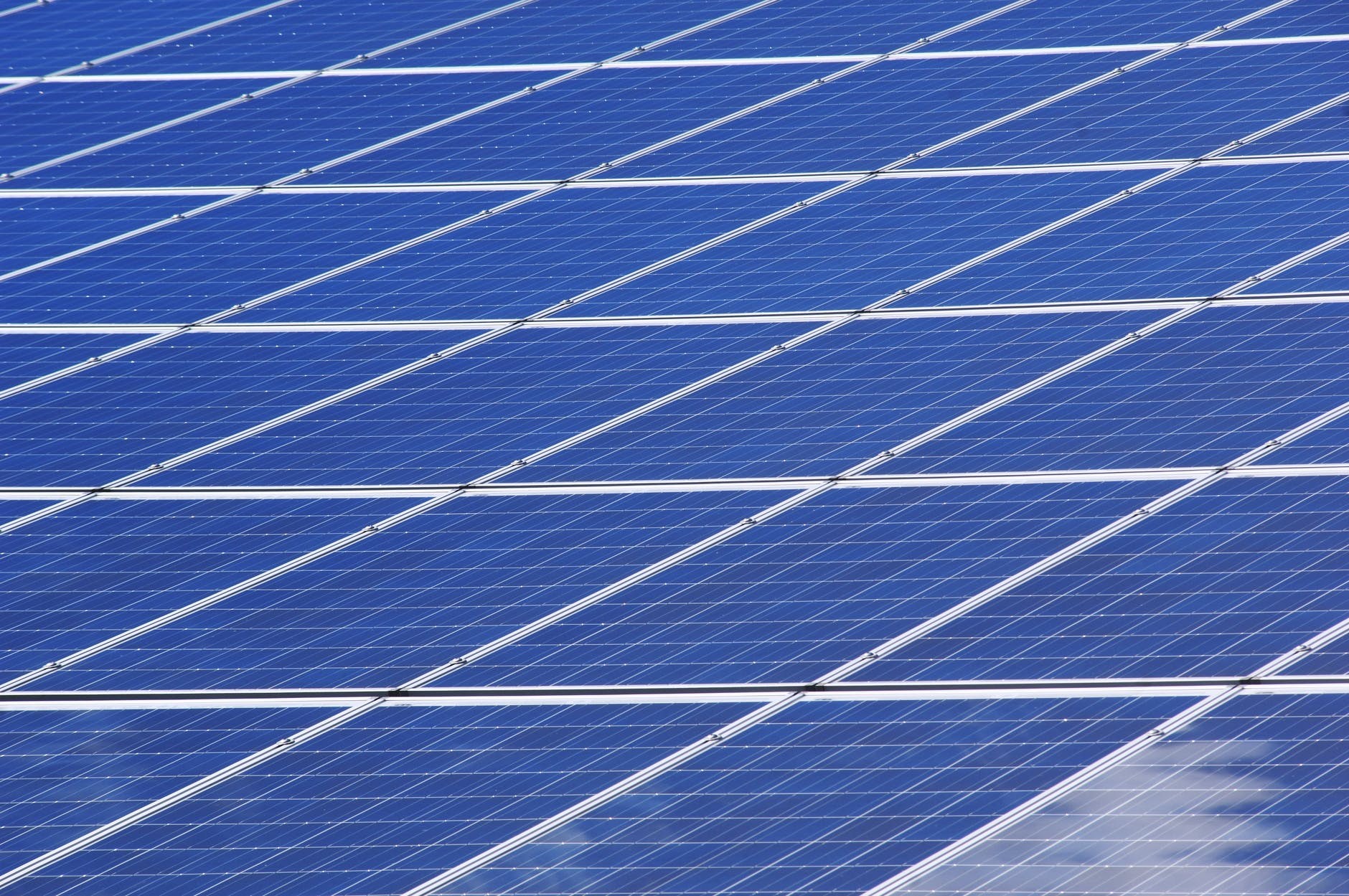
Despite the impressive addition of renewable energy capacity, India is facing challenges in managing grid stability. With solar power prices crashing on electricity trading platforms, it is evident that the lack of adequate energy storage is causing supply-demand mismatches. India aims to achieve 50% of its total energy supply from non-fossil sources by 2034-35, which will significantly increase the share of intermittent sources like solar and wind.
The methodology for estimating storage needs involves sector-wise electricity demand forecasting, application of seasonal variations, calculating peak demand, and simulating storage operations. The total electricity demand is projected to rise from 1,788 TWh in 2025-26 to 3,540 TWh by 2034-35. Meanwhile, peak demand is expected to increase from 265 GW to 525 GW during the same period.
To ensure reliability, the energy storage model forecasts that India will need about 1,981,000 MWh of energy storage capacity by 2034-35. This is a significant jump from 332,000 MWh in 2025-26. The daily energy deficit, especially during nighttime when solar is unavailable, is one of the key drivers of this storage requirement.
India’s load factors across energy sources are not uniform. While coal has maintained a decent average Plant Load Factor (PLF) of 68.5%, gas-based power plants have very low utilization due to fuel availability issues, averaging only 14.6%. Renewables like solar and wind have PLFs of around 15% and 18% respectively, reflecting their intermittent nature. Small hydro and biomass too face limitations due to seasonal and logistical constraints.
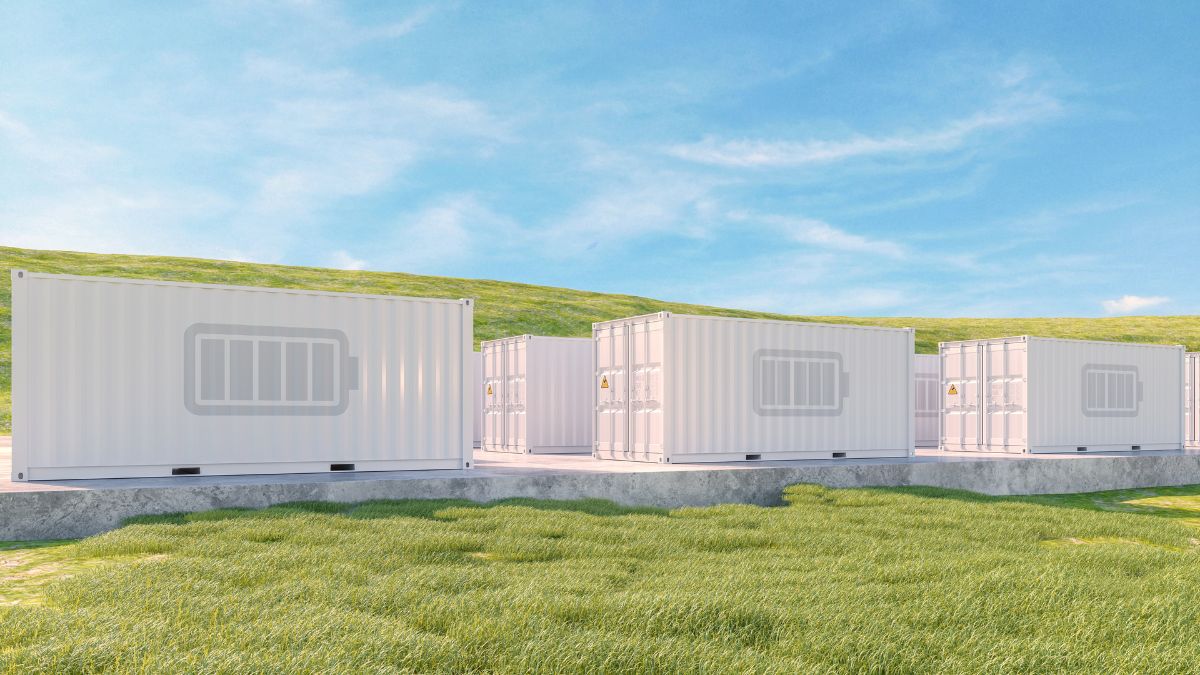
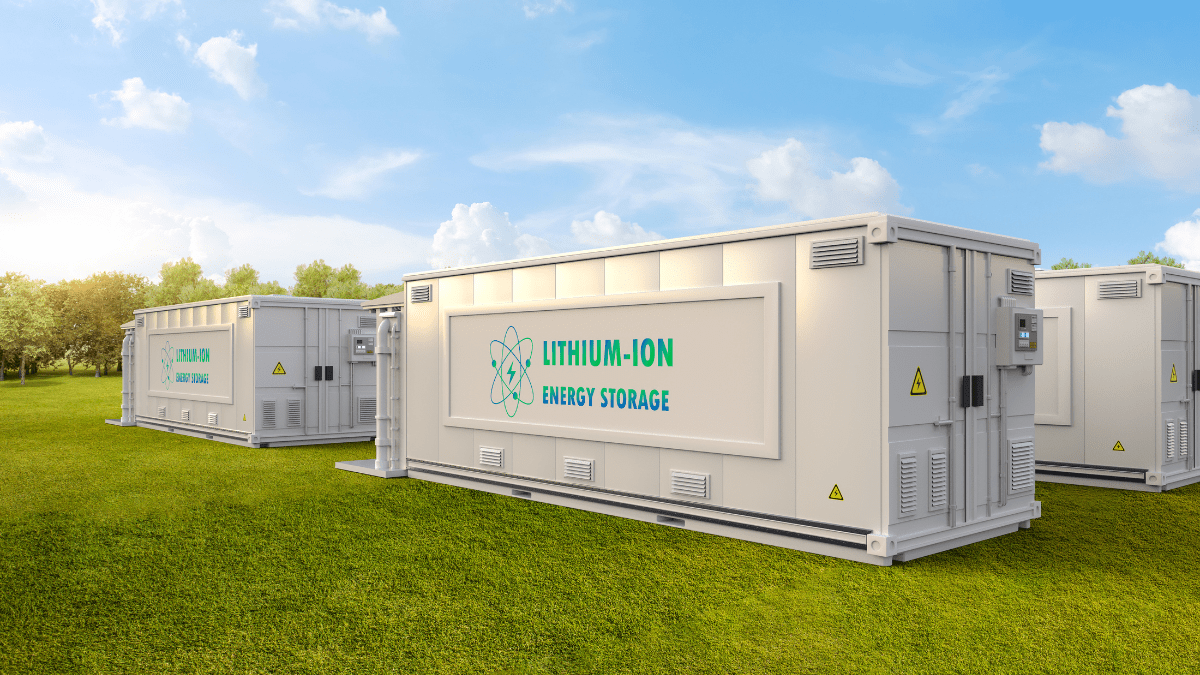
The report outlines two major storage technologies to bridge this gap: Pumped Storage Hydropower (PSH) and Battery Energy Storage Systems (BESS). PSH is a proven, long-duration storage method with high capacity but limited to specific geographies. BESS, particularly lithium-ion, offers faster response and modularity but is costlier and less suited for long-duration applications.
Based on projected needs, BESS will have to provide over 1.32 million MWh by 2034-35, while PSH will contribute around 660,000 MWh. The policy environment is supportive, with the central government targeting 4 GWh of BESS by 2030-31 and several states announcing their own targets.
India’s energy transition plan must align capacity addition with actual energy delivery, integrating both BESS and PSH in a hybrid model to address short and long-duration storage needs. Without accelerated project execution, existing capacities will fall short of the growing demand, risking instability and inefficiency in the power system.