The Senate’s tax bill would boost baseload electricity — including nuclear and geothermal power — while slashing incentives for intermittent sources.
By
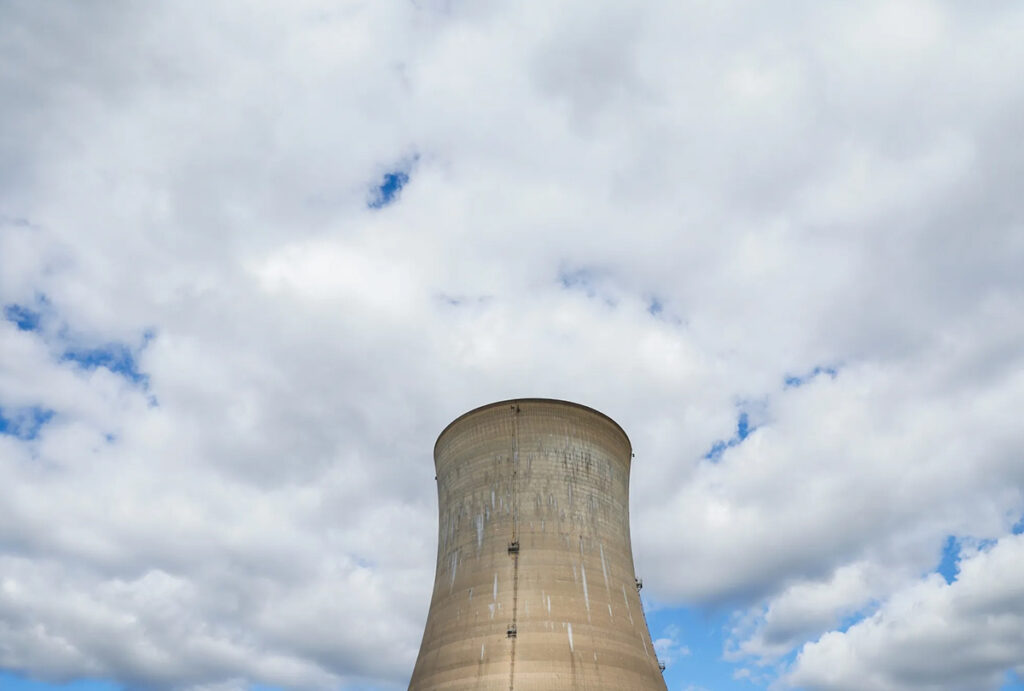
A cooling tower at a nuclear power plant in Middletown, Pennsylvania, in 2024. Photographer: Heather Khalifa/Bloomberg
Get the Latest US Focused Energy News Delivered to You! It’s FREE:
Senate Republicans would use their version of Donald Trump’s massive tax and spending bill to boost round-the-clock energy sources while slashing US incentives for solar and wind, echoing his administration’s hostility to intermittent renewable power.
Generous tax credits for nuclear and geothermal power would phase out by 2036, while incentives for wind and large-scale solar would end by 2028, according to a draft of the legislation released late Monday. Credits for home solar installations and energy-efficiency improvements would end even earlier.
The proposal, which likely faces changes in the days ahead, would tilt the scales of federal policy in favor of so-called baseload power sources that Republicans consider more dependable than solar and wind — even though renewables represent the majority of new US power generation built in recent years. Energy Secretary Chris Wright recently called those intermittent power sources “a parasite on the grid,” saying in a post on X that they “rely on external conditions to work.”
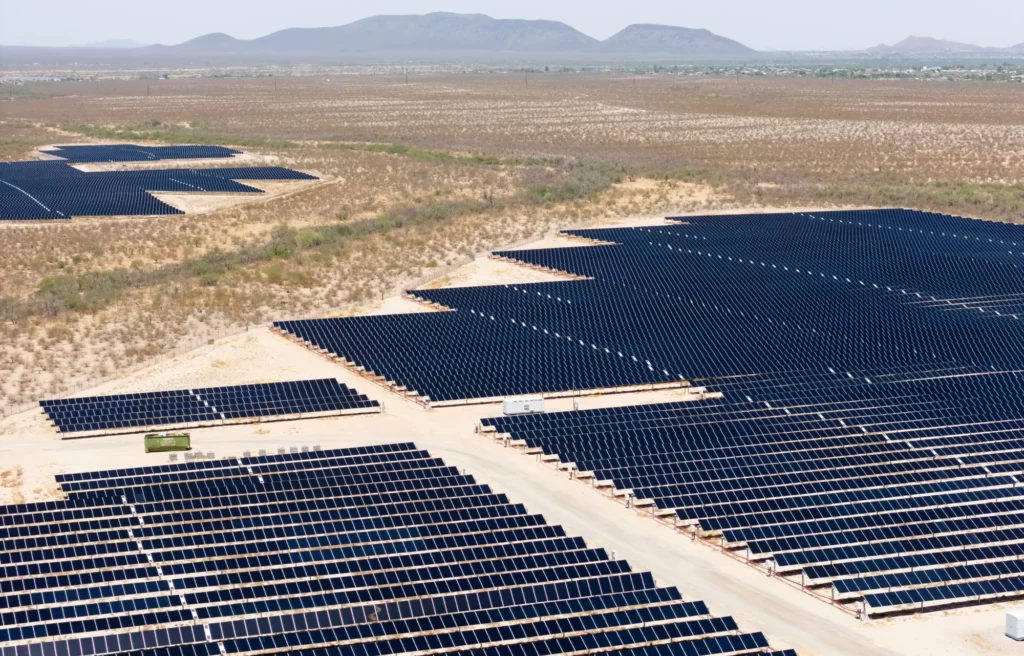
A solar power plant in Tucson, Arizona. Photographer: Rebecca Noble/Bloomberg
The debate over energy sources arrives at a critical time for the US power sector. The industry anticipates a sharp increase in electricity demand from data centers running artificial intelligence applications, centers that will require non-stop power. Trump has already put forward a number of proposals intended to boost nuclear energy and power plants burning natural gas and coal. The Senate bill would give preferential treatment to nuclear and geothermal facilities — both considered forms of baseload generation — as well as grid-scale batteries. In contrast, the tax and spending bill passed by the US House of Representatives last month would abruptly end credits for all carbon-free energy sources.
Clean energy advocates argue that wind and solar plants backed up by batteries are reliable — and are both cheaper and faster to build than other forms of generation. Penalizing them will only slow down efforts to increase electricity supply, cost jobs and push up power prices, they say.
“The risk is we aren’t going to meet the power demand we see with AI and data centers,” said Kevin Smith, chief executive officer of Arevon Energy Inc., a solar developer.
Read More:
Both the House and Senate proposals would devastate US solar businesses, already grappling with rising tariffs and steep interest rates. The industry on Tuesday vowed a last-ditch effort to change legislators’ minds. The Senate plans to pass the bill and send it back to the House for final approval by a self-imposed deadline of July 4.
“What came out last night will decimate the industry, but we’re going to fight,” said Marco Krapels, a vice president with Enphase Energy Inc., during a rally at the foot of the US Capitol. “You cannot have a policy and then push everyone down a cliff. We need a glide path.”
— With assistance from Ari Natter
Share This:
Next Article
More News Articles