The Andhra Pradesh Electricity Regulatory Commission (APERC) has released the draft regulations for the Planning, Procurement, Deployment, and Utilization of Battery Energy Storage Systems (BESS) for the year 2025. This step is aimed at integrating renewable energy into the grid, ensuring its stability, and fostering the development of the clean energy sector in the state. The regulations have been framed in line with the Electricity Act, 2003, and the guidelines issued by the Ministry of Power, Government of India, including the ones released on March 11, 2022, and the National Framework for Energy Storage Systems notified in August 2023.
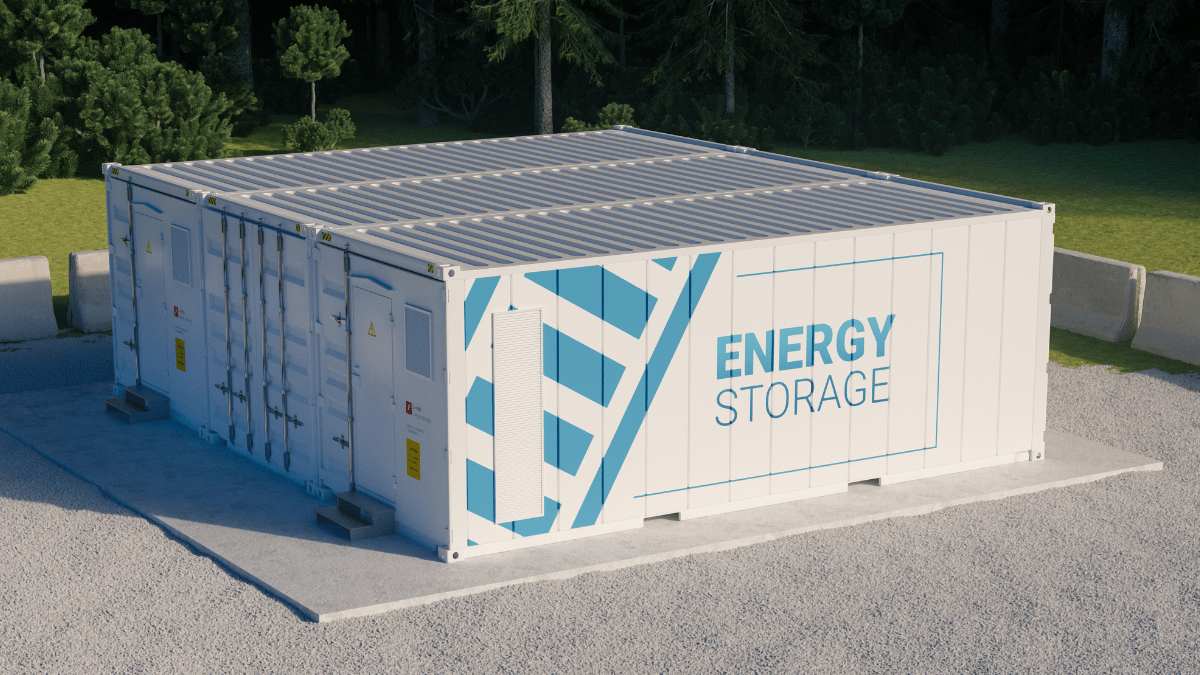
Battery Energy Storage Systems have become essential for improving grid flexibility, maintaining frequency and voltage stability, managing peak loads, and providing ancillary services. The Government of Andhra Pradesh has already committed to promoting renewable energy through its Integrated Clean Energy Policy, 2024, and aims to add over 160 GW of renewable energy capacity along with around 25 GWh of BESS installations. This draft regulation has been introduced to build a comprehensive framework supporting the state’s vision to become a clean energy hub.
The regulation, effective from the date of its publication in the Andhra Pradesh Gazette, applies to all licensees, generating companies, renewable energy developers, aggregators, and service providers engaged in BESS within the state. BESS may be developed by distribution or transmission licensees, system operators, generating companies, independent power producers, third-party investors, and aggregators. The systems can be co-located with generation sources, standalone grid-connected, embedded in networks, or installed behind the meter.
For planning and procurement, a minimum project size of 1 MW with a four-hour energy rating is required unless deployed at the DTR level. Reverse power flow at substations will guide the choice of locations. Licensees must seek APERC’s approval before procuring BESS, and preference will be given to co-located systems due to cost efficiencies.
BESS will play a critical role in providing ancillary services, including frequency regulation, voltage support, spinning reserves, and black start services. Aggregators can pool resources across sites to offer services to grid operators, and they must register with the State Load Despatch Centre (SLDC).
Cost recovery for licensee-owned BESS will be through tariff orders issued by the Commission, while competitively procured services will follow market mechanisms. The systems must comply with technical standards approved by authorities such as CEA and MNRE, and periodic data submission is required. Cybersecurity, safety, and environmental management must meet the relevant regulatory norms.
Distribution licensees and APTRANSCO are responsible for identifying potential BESS locations and including BESS in their planning and investment filings. APSLDC will handle implementation, registration of eligible resources, scheduling, monitoring performance, and estimating requirements for ancillary services. The SLDC must publish these requirements and update them regularly.
Consumers and prosumers can set up behind-the-meter BESS without prior permission, provided they comply with connectivity standards and inform the DISCOM before commissioning. Open access charges will follow the APERC Green Energy Open Access Regulations, 2024.
The Commission retains the power to approve capacities, monitor implementation, issue directions, relax provisions, amend regulations, and resolve difficulties. The draft was signed and issued from Kurnool on 30 June 2025 by the Commission Secretary (I/c).