The global renewable energy landscape continued its strong growth trajectory in 2024, reaching a total installed capacity of 4,442,755 megawatts (MW). This represented a year-on-year increase of nearly 15%, up from 3,860,901 MW in 2023. The executive summary of IRENA’s “Renewable Energy Statistics 2025” underlined that this expansion was predominantly led by Asia, with China, India, and Southeast Asian nations contributing significantly. Asia’s renewable capacity alone stood at 2,374,465 MW in 2024, showing its dominant share in the global transition to clean energy.
India made substantial progress with its installed capacity climbing to 204,485 MW, continuing its upward trend over the past decade. China remained the undisputed global leader with a total renewable capacity of 1,817,956 MW, driven by large-scale deployments in solar and wind energy. Japan and South Korea also reported consistent increases, while Vietnam added more than 1,200 MW during the year to reach 49,014 MW in total.
In Africa, renewable energy capacity reached 69,951 MW in 2024, up from 65,241 MW in 2023. Countries like South Africa, Egypt, and Ethiopia were major contributors. South Africa alone added over 1,000 MW to reach 13,516 MW. Kenya also demonstrated steady growth, climbing to over 3,000 MW. Despite slower growth in several smaller countries, the continent as a whole is gradually scaling up its renewable base with support from international financing and off-grid solar initiatives.
Europe saw a notable increase, with capacity expanding to 850,245 MW in 2024. Germany and Spain led the way with strong additions in solar and wind capacity. The European Union’s total stood at 702,582 MW, emphasizing the bloc’s commitment to its 2030 climate targets. Meanwhile, North America reached 571,519 MW, with the United States alone contributing 427,886 MW, thanks to expanded solar and offshore wind installations.
The Oceania region, although smaller in scale, witnessed robust growth as well, especially in Australia, which added more than 8,000 MW to reach 60,173 MW. South America’s capacity rose to 312,843 MW, largely driven by Brazil’s renewable program, which now accounts for more than 213,000 MW, primarily from hydropower and wind.
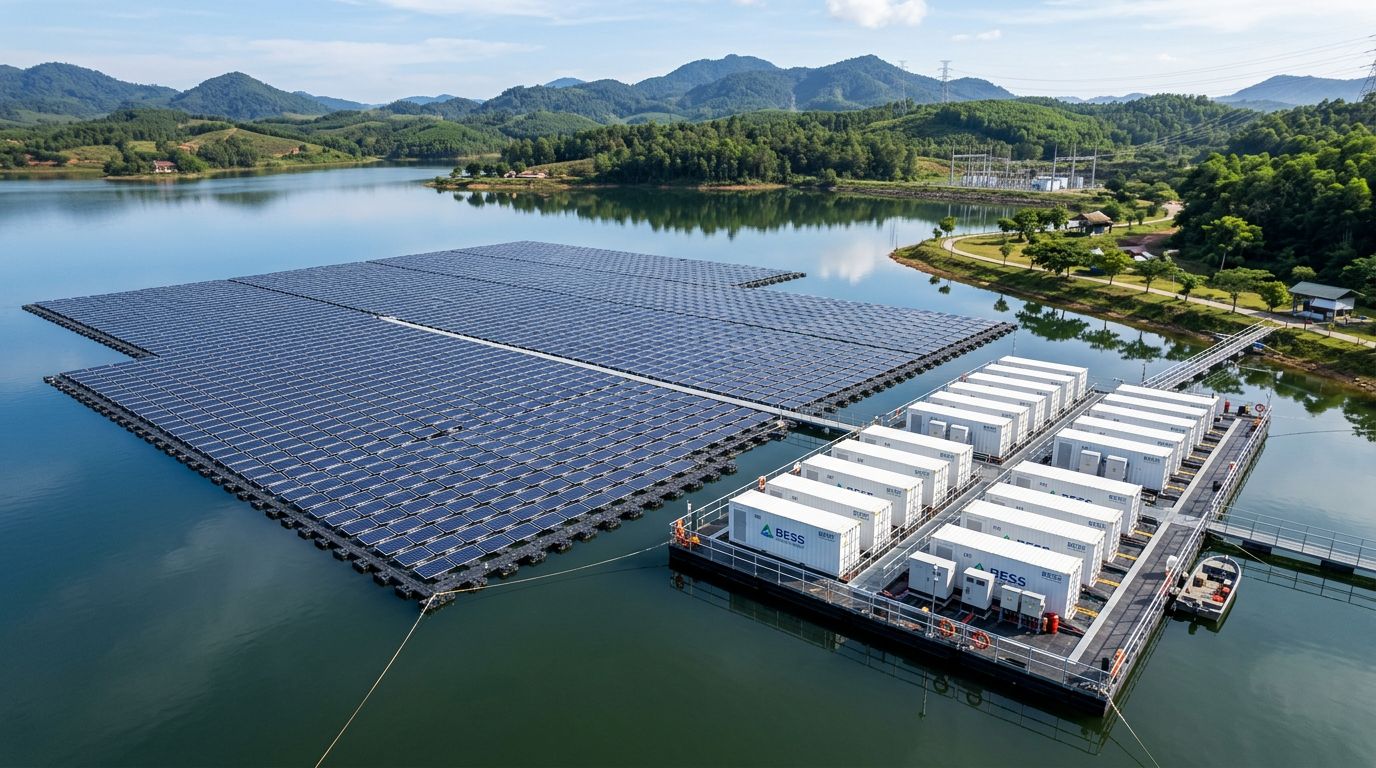
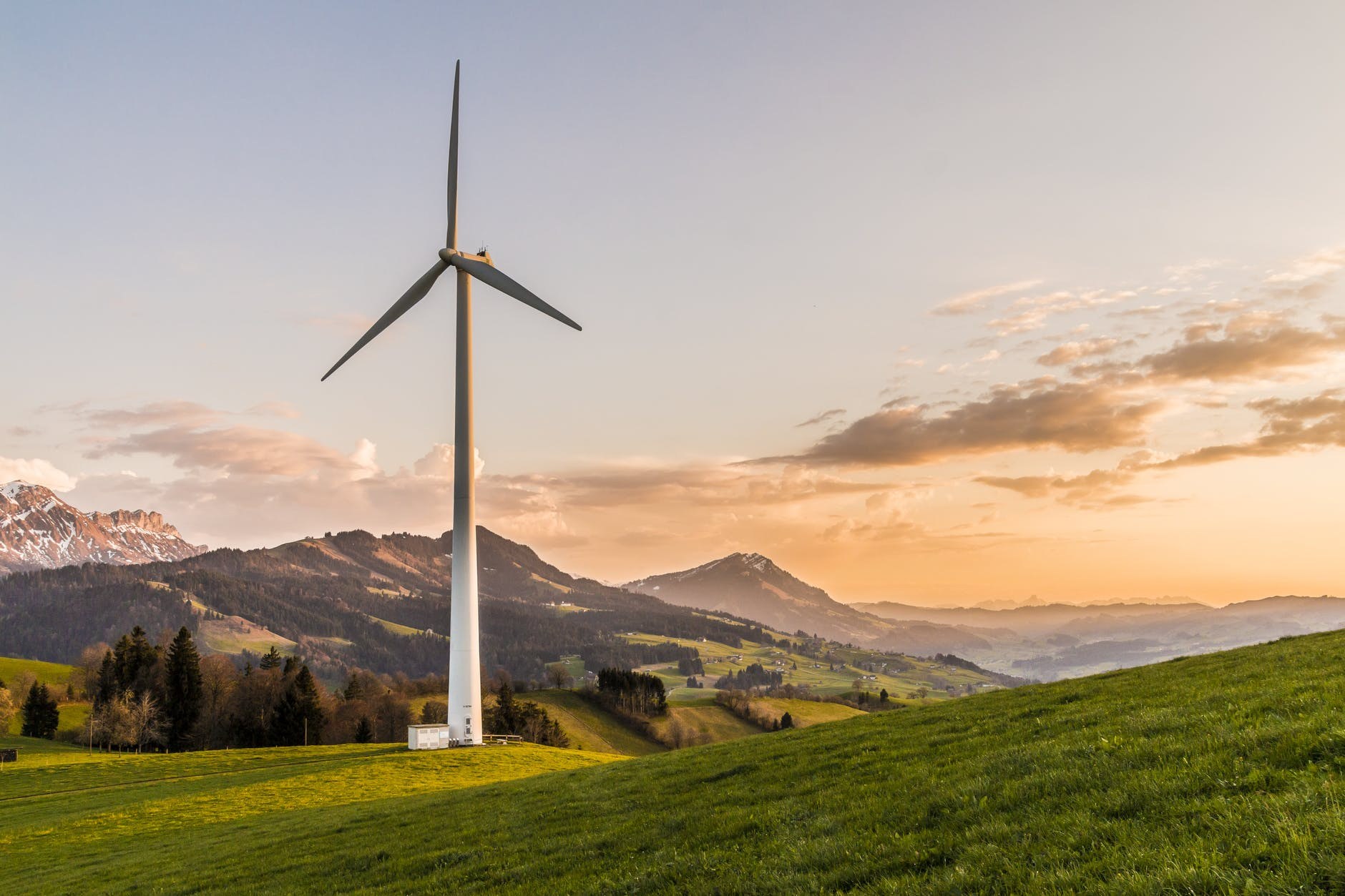
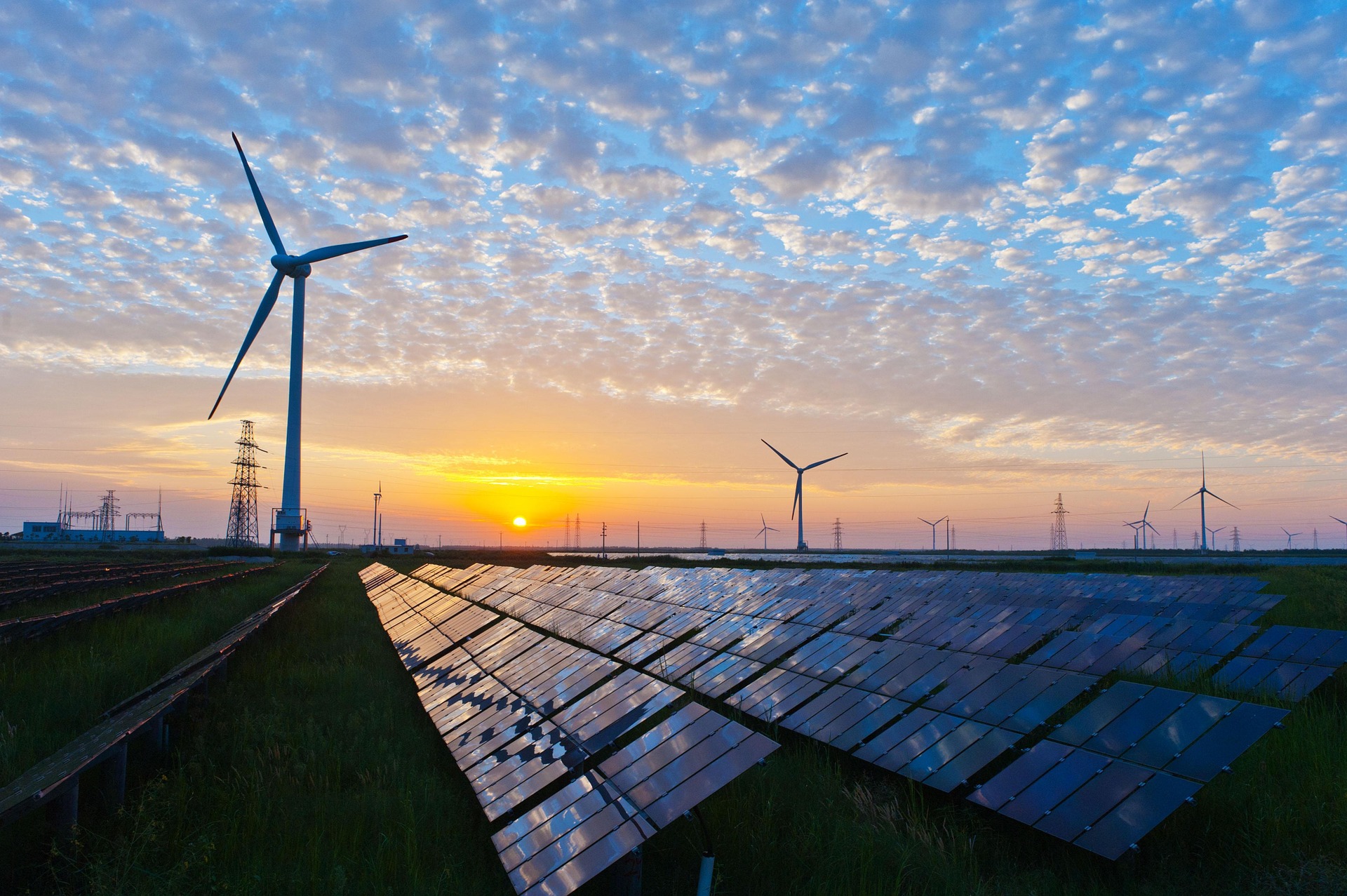
The report also highlighted continued growth in off-grid renewable energy systems, especially in remote areas of Africa and Asia, playing a crucial role in achieving energy access targets. While hydropower continues to dominate in many countries, solar photovoltaic and onshore wind have become the primary growth engines globally. IRENA concluded that public financing, innovation in battery storage, and supportive policy frameworks have been instrumental in accelerating the global energy transition. However, it cautioned that further acceleration is necessary to meet the global climate goals, especially in developing countries where investment gaps persist.