Chinese Hengli Petrochemical saw its shares drop sharply by 10% today following the United States’ imposition of sanctions on the company, alleging it bought crude oil from Iran despite U.S. sanctions on the industry.
Hengli Petrochemical is one of China’s largest independent refiners. The company denied the allegations, saying it “has never engaged in any trade with Iran,” and that its suppliers “guaranteed that the origins of the crude oil supplied do not fall within the scope of U.S. sanctions,” as quoted by Reuters.
Hengli Petrochemical also said it had enough oil in stock for three months of consumption and its supply network had not been affected by the latest U.S. sanctions. The company also said the sanctions had no factual or legal basis and it would seek to have them removed.
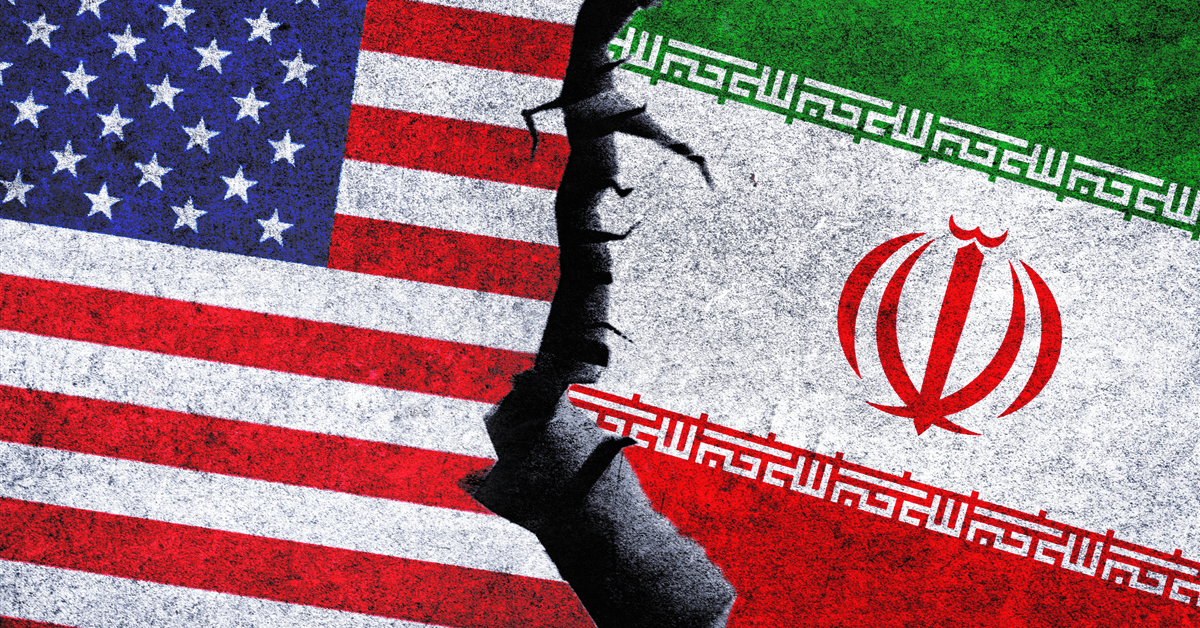
The U.S. Treasury Department on Friday named Hengli Petrochemical one of the largest buyers of Iranian crude, cutting its access to the U.S. financial system and banning American companies from doing business with the Chinese refiner.
Chinese refiners, especially independent refiners, are better insulated than state-owned firms against the full effects of U.S. sanctions, Reuters noted in an earlier report, because of their limited exposure to the U.S. banking system.
Chinese refiners took in 80% of Iranian crude oil exports last year, data from Kpler cited by Reuters showed. Most of that was supplied to independent refiners. Strong buying continued this year as well, with the so-called teapots rushing to secure Iranian orders when they received the latest crude import quotas from Beijing earlier this year. Refiners were ready to pay a premium for Iranian crude, which rose higher than Brent crude earlier this month, Iranian tankers being pretty much the only ones allowed to pass through the Strait of Hormuz, despite the U.S. blockade.
By Irina Slav for Oilprice.com
More Top Reads From Oilprice.com
- China’s Metals Boom Hits Highest Profit Levels Since 2016
- IEA’s Birol Says Iran War Will Permanently Cut Into Future Oil Demand
- Pakistan Turns to Russia and Venezuela as Middle East Oil Supplies Shrink