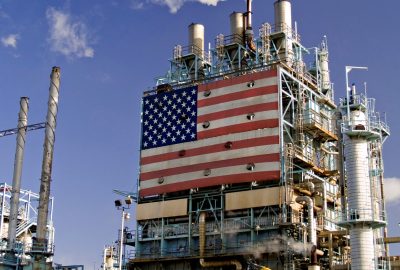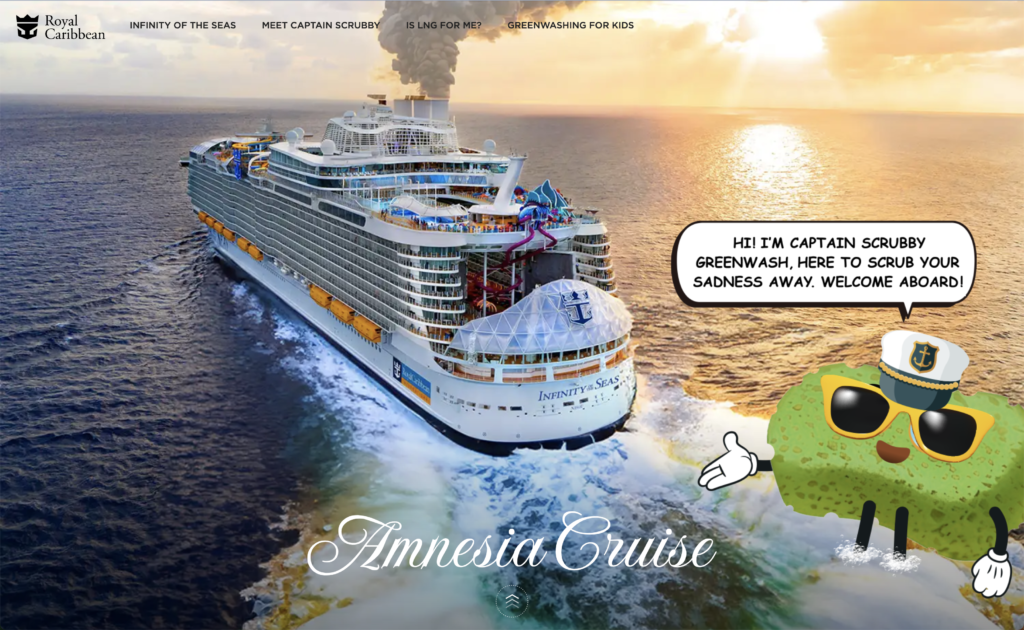
Berlin, Germany – Royal Caribbean made waves at the World LNG Summit this week with the launch of its ambitious new “Amnesia Cruise” campaign, an initiative designed to help people escape the constant barrage of bad news while attempting to reframe the concept of greenwashing as a force for good.
A Bold Redefinition of Greenwashing
At the heart of Royal Caribbean’s announcement is a surprising proposal: reclaim the term “greenwashing,” often used to describe deceptive environmental marketing, as a positive force for mental health. According to company executives, greenwashing should no longer mean spinning the truth but instead optimizing the information people see to promote happiness and well-being.
“We will no longer let others weaponize the term against us,” said Royal Caribbean spokesperson Jane Cooper during an appearance on a panel at the close of the summit. “Greenwashing doesn’t have to mean lying – it can mean helping people feel optimistic, even in challenging times. People don’t appreciate how much greenwashing does for their mood. It’s time to reclaim this concept from environmentalists who have made it sound negative.”
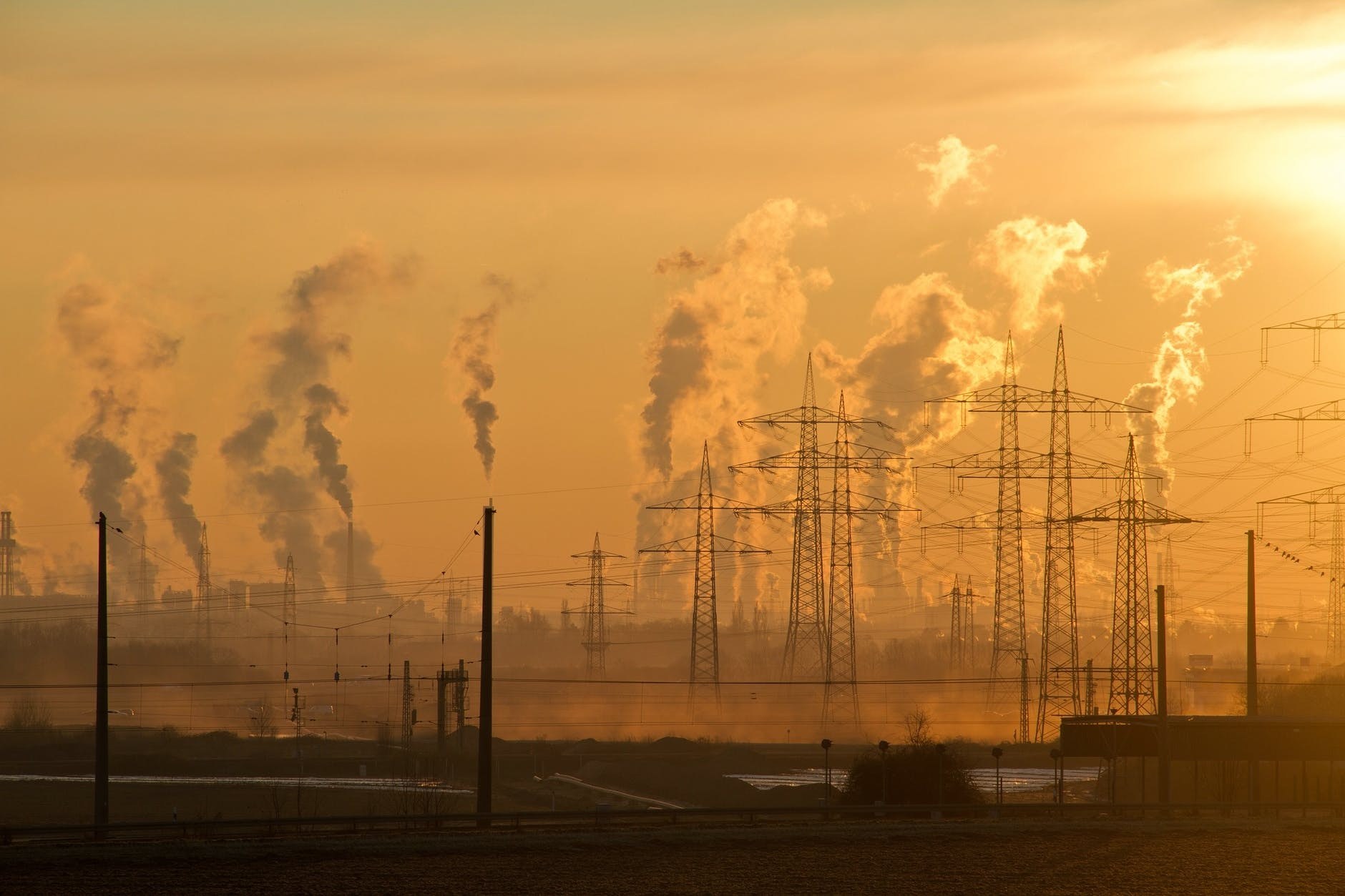
With the new campaign, Royal Caribbean is reframing greenwashing as a service to the public designed to alleviate the existential anxieties of living on a dying planet, and the troubling awareness of who most contributes to this reality. But critics may see this reinterpretation as little more than a PR maneuver, especially in the context of LNG’s significant environmental footprint.
The “Amnesia Cruise”: A Break from Bad News
The campaign’s flagship offering is the Amnesia Cruise, marketed as an immersive “greenwashing retreat” that gives passengers the chance to sail away from the world’s problems. From curated onboard entertainment to a managed stream of positive news, the experience promises to envelop guests in an atmosphere of carefree joy.
“Think of it as a sanctuary from doom-scrolling culture,” Cooper explained. “We’re not ignoring the issues; we’re simply enforcing more enjoyable issues to focus on.”
The campaign’s mascot, Captain Scrubby – a cheerful, anthropomorphic green sponge – embodies this philosophy. Through videos, posters, and an interactive website, Captain Scrubby encourages travelers to embrace a bleak future with what the company describes as “oblivious joy.”
Aiming for Public Perception, Not Activist Approval
The timing of the campaign’s Berlin launch, coinciding with the LNG Summit, signals Royal Caribbean’s intent to address growing criticisms of LNG’s environmental impact. “Yes, LNG has its challenges,” Cooper admitted. “But the loudest voices are often the least balanced. This campaign is about countering negativity and offering hope.”
However, climate activists and LNG critics may not be convinced. Environmental groups have long decried efforts to reframe concerns about fossil fuels with positive spin, and some argue this campaign could come across as tone-deaf.
“It’s a clever marketing ploy, sure,” said one environmentalist protesting outside the summit. “But rebranding ‘greenwashing’ doesn’t change the fact that LNG is methane, a leaky, ticking climate bomb. This doesn’t address the root problem – it distracts from it.”
The Balancing Act of Perception and Reality
While Royal Caribbean’s campaign is undeniably creative, it raises questions about how far branding can go in reshaping public perception. For a company at the forefront of consumer-facing industries, the gamble could pay off by solidifying its image as innovative and responsive to mental health concerns.
But whether this strategy will win over skeptics – or quiet campaigners intent on reducing reliance on LNG – is far less certain. As the world grapples with the realities of climate change, Royal Caribbean’s Amnesia Cruise may serve as a temporary escape, but the debate over the industry’s long-term sustainability remains far from settled.