Oil Prices Jump as Israel Strikes in Qatar

Oil prices climbed on Tuesday after Israel carried out a rare and brazen strike in Doha, Qatar, an escalation that rattled global energy markets. WTI crude rose 1.37% to $63.11, while Brent gained 1.32% to $66.89.

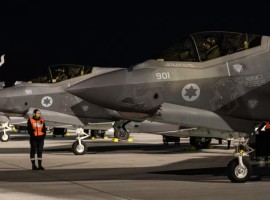
Israel struck Hamas officials in Doha, according to reports — the first known Israeli attack to land on Qatari soil. The location alone raises the stakes: Qatar is home to a large U.S. base and keeps open political channels with Hamas. The strike has stirred talk of wider instability in the Gulf, a region critical to global energy flows.

Traders wasted no time adding a risk premium. Qatar doesn’t ship much crude oil, but it is a top gas supplier and a key player in the Gulf energy network. Any hint of trouble there tends to push oil benchmarks higher.

Analysts noted that markets are already contending with ongoing supply-side uncertainties—from OPEC+ output maneuvering to U.S. shale retrenchment—and the Doha strike added another layer of volatility.

The episode comes at a delicate diplomatic moment. Washington has leaned heavily on Qatar in recent years, relying on Doha as a go-between with Hamas and as a stabilizer in regional conflicts. An Israeli strike on Qatari soil not only heightens security risks but also complicates U.S. and European diplomatic calculations at a time when both are considering tightening sanctions on Russia’s oil trade.

For oil producers, the immediate impact is supportive of prices. But as one trader put it, markets are less worried about barrels missing today than about what this means tomorrow. If the strike signals a willingness by Israel to expand its battlefield into the Gulf, then the geopolitical risk premium could be back in force after a relatively quiet summer.

By Julianne Geiger for Oilprice.com

More Top Reads From Oilprice.com


  • Related Posts

    World’s Largest Tanker Operator Cautions Against Hormuz Rush

    The U.S.-Iran deal has raised hopes that the oil supply disruption in the Middle East could be nearing its end, but the biggest international tanker operators aren’t rushing to return…

    Banks Slash Oil Price Forecasts After U.S.-Iran Breakthrough

    Morgan Stanley and Goldman Sachs cut their forecast for oil prices towards the end of the year and 2027 following developments in the peace negotiations between the United States and…

    Have You Seen?

    ConocoPhillips Set to Become First U.S. Major to Sign Post-War Syria Gas Deal

    • June 16, 2026
    ConocoPhillips Set to Become First U.S. Major to Sign Post-War Syria Gas Deal

    Banks Slash Oil Price Forecasts After U.S.-Iran Breakthrough

    • June 16, 2026
    Banks Slash Oil Price Forecasts After U.S.-Iran Breakthrough

    World’s Largest Tanker Operator Cautions Against Hormuz Rush

    • June 16, 2026
    World’s Largest Tanker Operator Cautions Against Hormuz Rush

    India’s ONGC Considers Resuming Venezuela Oil Operations

    • June 16, 2026
    India’s ONGC Considers Resuming Venezuela Oil Operations

    Qatar Eyes Quick LNG Restart Once Hormuz Reopens

    • June 16, 2026
    Qatar Eyes Quick LNG Restart Once Hormuz Reopens

    Dubai and Murban Crude Signal End of Middle East Supply Crunch

    • June 16, 2026
    Dubai and Murban Crude Signal End of Middle East Supply Crunch

    Europe Wary of Sending Hormuz Aid as Questions Linger

    • June 16, 2026
    Europe Wary of Sending Hormuz Aid as Questions Linger

    Oil Drops Over 2% to 3-Month Low as Markets Weigh US-Iran Peace Deal

    • June 16, 2026
    Oil Drops Over 2% to 3-Month Low as Markets Weigh US-Iran Peace Deal

    US Grid’s $1 Trillion Problem Could Equal a $1 Billion Payout for Power CEOs

    • June 16, 2026
    US Grid’s $1 Trillion Problem Could Equal a $1 Billion Payout for Power CEOs

    Spot Oil Premiums Slip to Pre-War Levels After US-Iran Deal, But Shipping Angst Provides Floor

    • June 16, 2026
    Spot Oil Premiums Slip to Pre-War Levels After US-Iran Deal, But Shipping Angst Provides Floor