Qatar prepares to quickly restart and restore liquefied natural gas output within weeks after the eventual reopening of the Strait of Hormuz, Bloomberg reported on Tuesday, citing anonymous sources with knowledge of the plans.
State firm QatarEnergy, which curtailed LNG output in early March before an LNG facility was hit by Iranian missiles in mid-March, has now told its customers that it could restore about 50% of its production capacity within a month after safe navigation through the Strait of Hormuz is restored. Within two months, Qatar could return 80% of its capacity, according to Bloomberg’s sources.
All this, of course, is conditional on the U.S.-Iran deal holding and navigation and safety through the critical oil and LNG chokepoint being restored and sustained.
Qatar will be able to restore up to 80% of its LNG production capacity in the near term—the remaining 20% would take years to repair from damages from the Iranian missile strikes, as QatarEnergy guided as early as March.
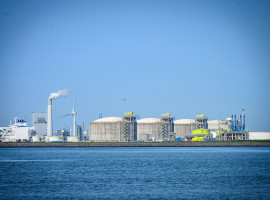
Iranian drone and missile strikes on energy infrastructure in the region have damaged Qatar’s key LNG liquefaction complex, Ras Laffan.
QatarEnergy expects the damage to the Ras Laffan LNG complex, the world’s single largest LNG-producing facility, to cost it about $20 billion per year in lost revenue and to take up to five years to repair.
QatarEnergy has been forced to declare force majeure for up to five years on some long-term LNG contracts.
Due to the LNG crunch in the Middle East, benchmark gas prices in Asia and Europe jumped in the past three months despite the seasonally weak gas demand in the shoulder season after the winter and ahead of the peak summer consumption.
The announcement of the U.S.-Iran deal, however, led to a 6% slump in Europe’s benchmark gas prices on Monday, to the lowest level in five weeks, amid eased concerns about supply in the coming months.
By Tsvetana Paraskova for Oilprice.com
More Top Reads From Oilprice.com
- ConocoPhillips Set to Become First U.S. Major to Sign Post-War Syria Gas Deal
- Oil Prices Plunge as U.S. and Iran Reach Deal to Reopen Strait of Hormuz
- Russian Governors Rush to Deny Fuel Crisis as Rationing Spreads