The arbitrage window for U.S. crude sold in Asia is shrinking amid higher tanker rates and a climbing WTI price, Reuters has reported, citing traders.
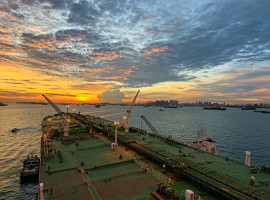
The publication cited LSEG data showing that Very Large Crude Carrier rates jumped to 12.5 million last week, which was the highest since March 2023. The rate increase resulted from increased demand for U.S. crude from Asian buyers that emerged during the summer. Since then, rates have eased somewhat to $12 million but remain elevated enough to sap appetite.
The additional cost for carrying crude from the U.S. Gulf Coast to Asian importers has reached $1.75 per barrel, one trading source told Reuters. “That alone would close the arb,” the source said.
West Texas Intermediate is currently trading at around its June levels, between $60 and $65, but in late June and July, the U.S. benchmark experienced several jumps to $70 and over.
At the time of writing, WTI was trading at just below $62 per barrel as both it and Brent crude deflated following the news of an agreement between Iraq, Turkey, and the Kurdistan government to restart exports from northern Iraqi fields.
This month, U.S. oil exports to Asia are set to increase, Reuters said, citing Kpler, with the biggest buyers being South Korea and India. The average export rate for September will be around 135 million barrels daily, the analytics firm has calculated. Kpler noted that this could be higher as well.
“For now it does seem like WTI premiums and freight are threatening the U.S.-Asia arb for November trade,” another source told the publication.
Some, however, expect an easing of prices that would reopen the arbitrage window. “With only marginal WTI support and average supply, rates are likely to retrace lower and therefore improving WTI competitiveness,” June Goh from Sparta Commodities told Reuters.
By Irina Slav for Oilprice.com
More Top Reads From Oilprice.com
- Iraq Boosts Oil Exports as OPEC+ Rolls Back Cuts
- Secret Talks Hint at Exxon’s Re-entry into Russia’s Sakhalin 1 Oil Project
- Top Oil Traders Vie to Buy Chevron’s 50% in Singapore Refinery