By
38 min ago 3 min read
The UK government left funding for new biomethane projects unchanged in its Budget, prompting industry body the Anaerobic Digestion and Biogas Association (ADBA) to call for the removal of restrictions on its Green Gas Support Scheme (GGSS).
The Budget, published on 28 October, offered no new commitment to increase support for biomethane production, despite the sector’s calls for additional capacity to help reduce reliance on imported gas and strengthen UK energy security.
The GGSS, which provides financial support for biomethane injected into the gas grid, remains subject to a funding cap that ADBA said had been frozen for more than four months.
The Budget follows from the UK green gas sector that delays to policy decisions risk undermining investment in domestic biomethane production.
The association said more than a dozen projects ready for construction were awaiting approval, warning that continued restrictions could stall investment and lead to cancellations.
Chris Huhne, Chair of ADBA, said the government had missed an opportunity to support domestic green gas production as it sought to reduce the UK’s exposure to volatile international energy markets.
“The Chancellor is right that Britain must break its exposure to volatile global gas prices, but missed a trick on home-grown green gas made on British farms and in British towns,” he said.
Calls to lift Green Gas Support Scheme cap
ADBA said the government should lift the GGSS funding cap, arguing that biomethane could reduce reliance on imported liquefied natural gas while providing a domestic source of renewable gas.
The association urged ministers to use the exemption for essential energy security measures, unspent Green Gas Levy funds or direct Exchequer support to enable additional projects to proceed.
The GGSS provides tariff guarantees for biomethane injected into the gas grid over a 15-year period. However, the scheme is subject to funding limits and eligibility requirements, including restrictions on feedstock.
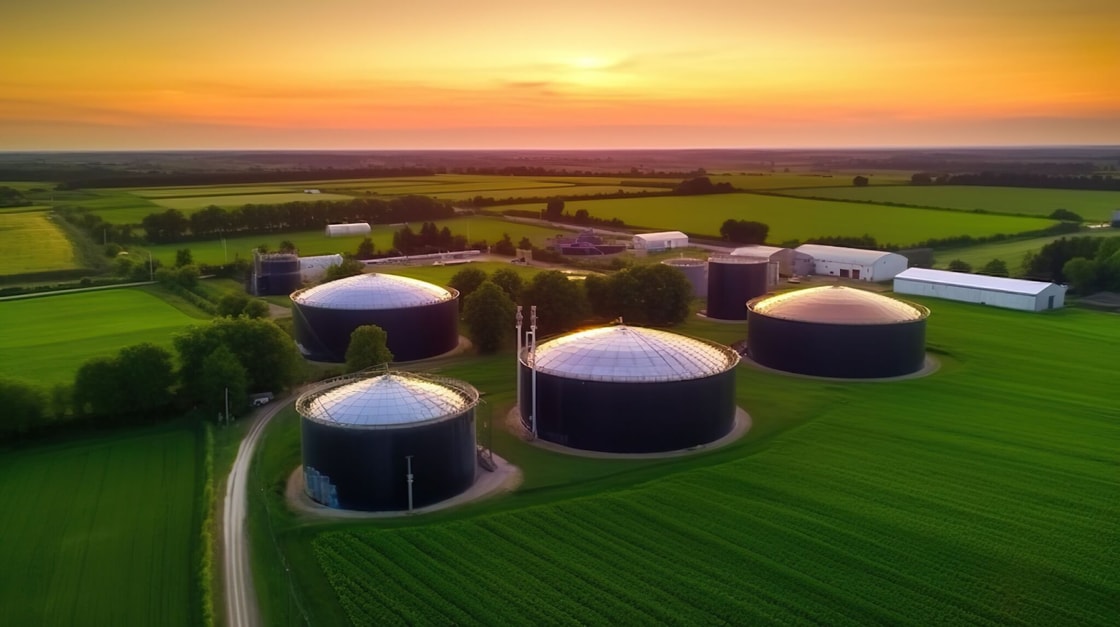
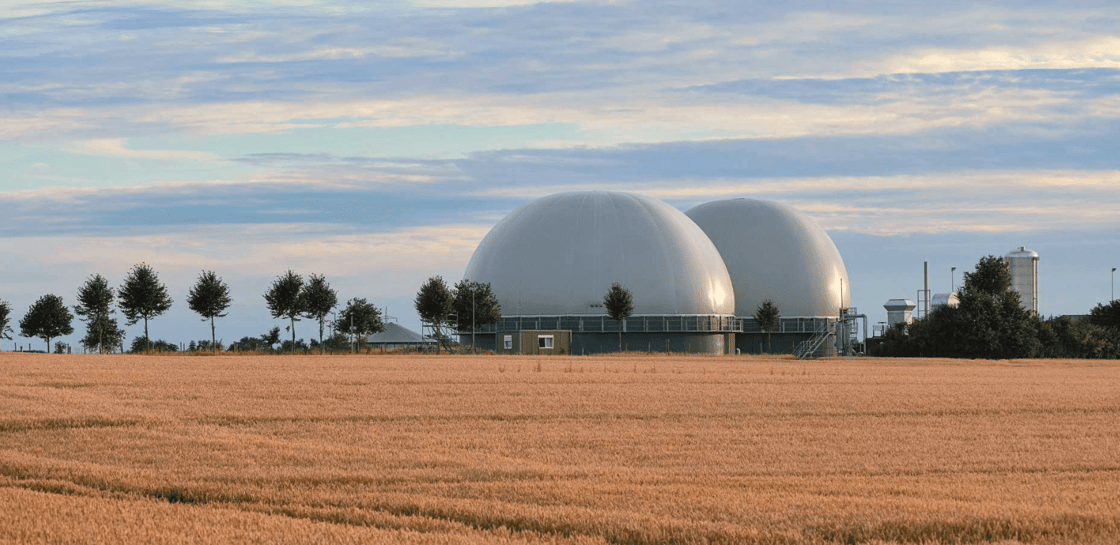
Biomethane is produced by upgrading biogas, typically generated through anaerobic digestion of organic materials such as food waste, agricultural residues and sewage sludge. The upgrading process removes carbon dioxide and other impurities to produce gas suitable for injection into the gas network.
The technology allows renewable gas to be produced from domestic waste and agricultural feedstocks, while digestate from the process can be used as a fertiliser.
Huhne said lifting the cap would allow projects already prepared for construction to progress.
“More than a dozen plants are ready to build with far better value for money than hydrogen. Lift the cap now and they will be producing gas for British homes, not leaving us reliant on imported LNG,” he said.
ADBA said the government should act to provide greater certainty for developers waiting to proceed, warning that continued delays could undermine investment in the sector.