By Sinead Richmond
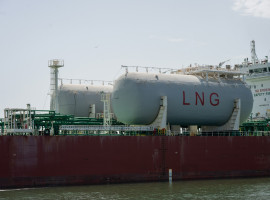
Despite sanctions, Russia’s Arctic LNG 2 project continues to send cargoes to China. These shipments highlight the ingenuity — and opacity — of global shipping.
The mechanics of evasion
Tankers use ship-to-ship transfers, reflagging, and obscure ownership structures to mask cargo origins. Automatic Identification System (AIS) transponders are sometimes turned off to evade detection. The result is a grey zone of trade that regulators struggle to police.
Risks for shipowners
The rewards are high: discounted cargoes and lucrative charters. But so are the risks. Insurers may refuse coverage, banks may decline financing, and regulators may impose secondary sanctions. For mainstream players, the reputational damage is too great.
China’s role
For China, Arctic LNG offers energy security and bargaining power. By buying discounted Russian LNG, it diversifies supply while deepening strategic ties with Moscow.
Strategic consequences
Longer term, Russia is investing in ice-class vessels and Arctic infrastructure to bypass Western chokepoints. That could shift global trade patterns, creating a parallel energy system less dependent on Western approval.
Lesson for regulators
The Arctic LNG case shows that sanctions, while disruptive, cannot fully halt energy flows. Policymakers must adapt enforcement to a shipping industry skilled at finding loopholes. For shipowners, the choice is binary: profit from the grey trade, or safeguard legitimacy in mainstream markets.