Panama Canal’s Water Crisis: A Threat to Global Trade

By Evram Hurklit

The Panama Canal is more than an engineering marvel — it is one of the world’s most critical trade arteries. But in 2025, climate change has revealed its fragility. Drought conditions have forced authorities to restrict draft limits and reduce daily transit slots, leaving shippers scrambling.

Impact on energy trade
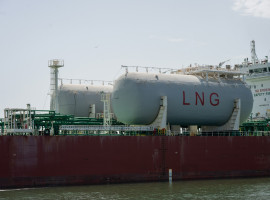
For container lines, the restrictions are inconvenient. For energy carriers, they are existential. LNG carriers, which require deep drafts, have been particularly affected. Several cargoes have had to detour thousands of miles around Cape Horn or the Cape of Good Hope, adding weeks and millions in costs.

Economic ripple effects
These disruptions cascade through the global economy. U.S. Gulf LNG exporters face reduced reliability for Asian customers. Grain exporters pay higher freight. Insurance costs rise. In an interconnected economy, Panama’s water shortage has global consequences.

Climate reality
Scientists warn that droughts in the region will become more frequent and severe. That raises uncomfortable questions: is the canal still reliable as a global chokepoint? And if not, what alternatives exist?

Strategic alternatives
Some traders are exploring Arctic routes, though ice-class vessels and environmental risks limit their appeal. Others may expand Atlantic trade, reducing dependence on Asia. But no alternative fully replicates Panama’s efficiency.The bigger picture
Panama’s crisis is a microcosm of how climate change threatens global trade infrastructure. As sea levels rise and weather patterns shift, ports, canals, and supply chains must adapt. For now, the world has no choice but to adjust to Panama’s constraints — but in the long term, resilience planning must move to the top of the agenda.

  • Related Posts

    Steady Course Toward Net-Zero: MEPC/ES.2 Strengthens Path to Global Shipping Agreement

    By Andrew Darnton, Shipping Correspondent The International Maritime Organization’s Marine Environment Protection Committee (MEPC) concluded its second Extraordinary Session (MEPC/ES.2) in London on October 17, marking a constructive phase in…

    Oil Market Crossroads: Geopolitics and Price Volatility

    By Stephen Burge Crude oil has always been the heartbeat of the global energy system, but in 2025 it feels less like a steady pulse and more like an erratic…

    Have You Seen?

    Oil Prices Dive as More Tankers Move Through Strait of Hormuz

    • June 27, 2026
    Oil Prices Dive as More Tankers Move Through Strait of Hormuz

    AMERICAN ENERGY SNAPSHOT: America’s Strategic Petroleum Reserve

    • June 27, 2026
    AMERICAN ENERGY SNAPSHOT: America’s Strategic Petroleum Reserve

    Magnolia Oil & Gas Is in Lead to Acquire WildFire for Over $4 Billion

    • June 27, 2026
    Magnolia Oil & Gas Is in Lead to Acquire WildFire for Over $4 Billion

    US Natural Gas Drops on Cooler Outlooks as July Contract Expires

    • June 27, 2026
    US Natural Gas Drops on Cooler Outlooks as July Contract Expires

    US Energy Firms Add Most Rigs in a Week Since June 2022, Baker Hughes Says

    • June 26, 2026
    US Energy Firms Add Most Rigs in a Week Since June 2022, Baker Hughes Says

    Chevron Eyes More Deals to Power US Data Centers

    • June 26, 2026
    Chevron Eyes More Deals to Power US Data Centers

    US Diesel Refining Economics Remain Firm Despite Iran War Truce

    • June 26, 2026
    US Diesel Refining Economics Remain Firm Despite Iran War Truce

    US Refining Capacity Fell by 263,000 Barrels Per Day in 2025, Says EIA

    • June 26, 2026
    US Refining Capacity Fell by 263,000 Barrels Per Day in 2025, Says EIA

    Qatar Offers First Crude Loadings to Buyers Since War Began

    • June 26, 2026
    Qatar Offers First Crude Loadings to Buyers Since War Began

    China’s Crude Imports Set to Hit Weakest Level Since 2016

    • June 26, 2026
    China’s Crude Imports Set to Hit Weakest Level Since 2016