The Karnataka Electricity Regulatory Commission (KERC) has introduced the Draft Karnataka Electricity Regulatory Commission (Ancillary Services) Regulations, 2024, aiming to enhance grid reliability and operational efficiency. The growing complexity of the power sector, driven by renewable energy, rising demand, and grid integration challenges, calls for a structured framework for ancillary services. These services are vital for maintaining grid stability, ensuring uninterrupted power supply, and handling fluctuations in frequency and voltage.
The regulations aim to create a competitive market for ancillary services while encouraging technological advancements in grid management. Through these regulations, the Commission seeks to establish a mechanism that supports transparency, accountability, and fairness. They are designed to strengthen grid performance and ensure the state’s electricity system remains robust and secure.
The regulations apply to all entities involved in the electricity value chain, including power generators, transmission and distribution utilities, and load dispatch centers. They outline roles and responsibilities for each stakeholder, ensuring proper implementation for grid security. The goal is to keep grid frequency close to 50 Hz, address network congestion, and ensure smooth system operations aligned with national energy policies.
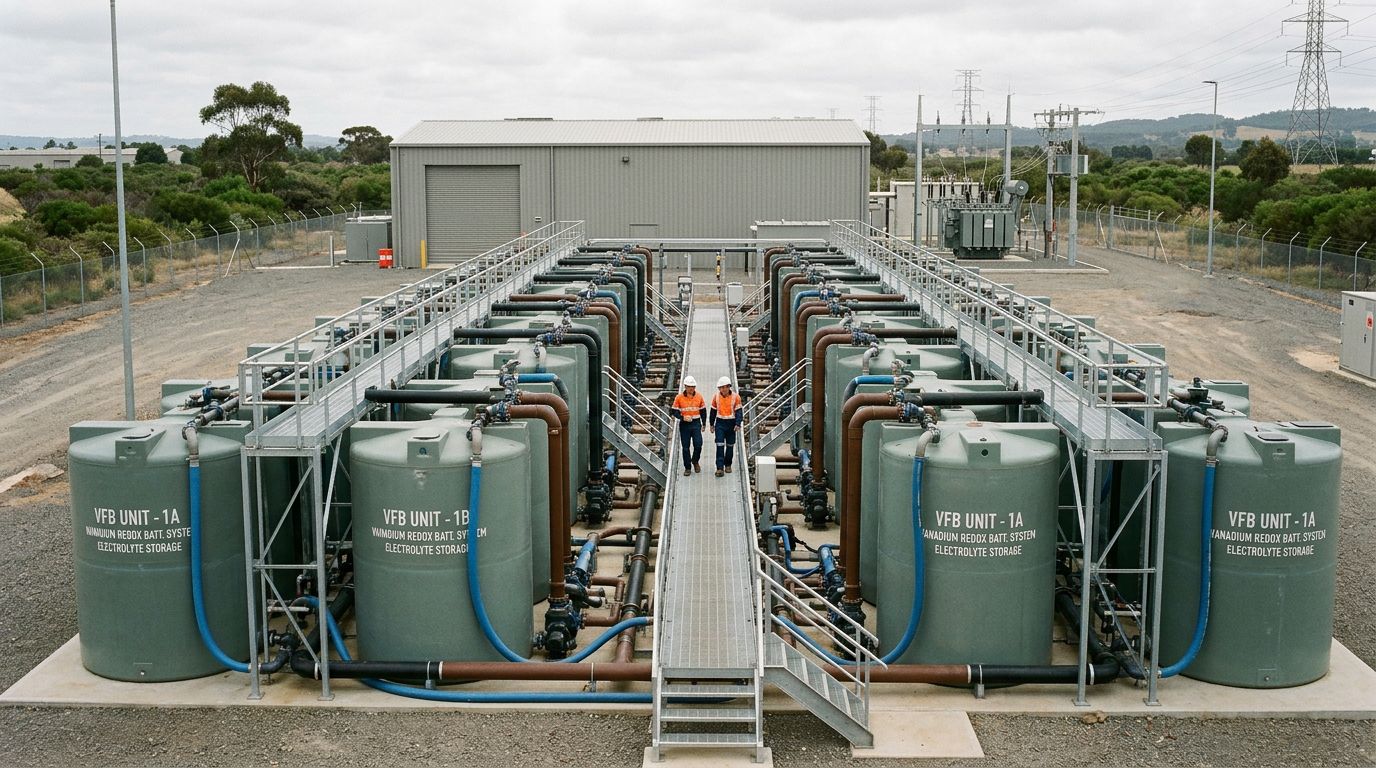
The regulations also emphasize the importance of local reserves within Karnataka’s control area, as per the Indian Electricity Grid Code. This local control ensures that the state’s grid remains stable, especially during emergencies or periods of high demand. The regulations enable entities like energy storage systems and demand response providers to contribute to secondary reserve ancillary services (SRAS), thus ensuring grid balance.
For participation, generating stations, energy storage systems, and demand response entities must meet specific technical requirements, such as having bi-directional communication with the State Load Dispatch Center (SLDC), automatic generation control (AGC) capabilities, and real-time telemetry systems. These requirements enable effective monitoring and measurement of energy supplied under SRAS.
SRAS will be activated when there is a deviation in the state’s power system, such as when the Area Control Error (ACE) exceeds a specified threshold. This helps stabilize the grid, particularly in cases of excessive frequency deviations or transmission congestion. The Nodal Agency will procure SRAS and allocate it among providers based on merit order, compensating them according to the energy they supply.
The regulations also provide guidelines for dispatching SRAS at the state level, with real-time control signals sent to SRAS providers. These signals automatically adjust power generation or consumption to restore balance in the grid. Performance will be measured based on how well SRAS providers respond to these signals. Providers who fail to meet performance standards may face penalties or temporary disqualification.
Payment for SRAS providers will be based on their energy or compensation charges, calculated every 15-minute interval. Deviations in performance will be settled in accordance with the existing Deviation Settlement Mechanism (DSM). The Nodal Agency will ensure transparency by publishing weekly data about the SRAS procured and scheduled, along with quarterly performance reports.
The Detailed Procedure for implementing these regulations will be submitted by the Nodal Agency for Commission approval within three months. The procedure will cover operational aspects, including technical requirements and communication standards. Stakeholder feedback will be sought before finalizing the procedure.
These are an important step in ensuring the stability of Karnataka’s electricity grid in the face of increasing demand and renewable energy integration. By establishing a clear framework for ancillary services, the Commission aims to provide a more reliable, efficient, and secure power supply to consumers in the state.