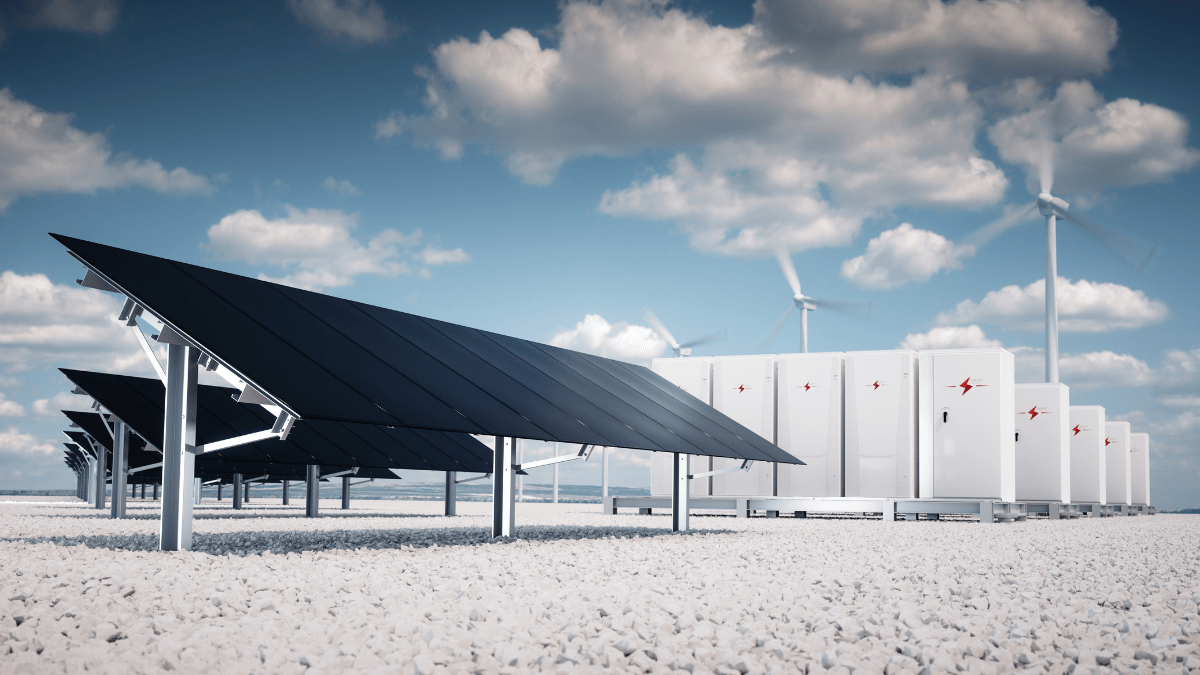
Abu Dhabi is set to redefine the role of solar energy with the launch of the world’s first gigascale renewable energy facility capable of providing continuous electricity around the clock. The project combines 5.2 gigawatts (GW) of solar photovoltaic panels with a massive 19-gigawatt-hour (GWh) battery storage system. Together, these technologies will allow the facility to deliver a full 1 GW of baseload power, ensuring an uninterrupted electricity supply 24 hours a day, 365 days a year. Once operational in 2027, it will serve as a crucial support for data centers, AI-driven industries, and other advanced technologies requiring reliable and stable energy.
The scale of this project is unprecedented. Covering roughly 90 square kilometers in Abu Dhabi’s desert—about one and a half times the size of Manhattan—the facility represents a major leap in renewable energy deployment. With a capital investment exceeding AED 22 billion (USD 5.94 billion), it will not only create over 10,000 jobs but also establish new manufacturing and industrial facilities, demonstrating the economic potential of clean energy at a large scale. Additionally, the project is expected to avoid approximately 5.7 million tonnes of CO₂ emissions annually, equivalent to taking more than a million cars off the road.
Traditional renewable energy sources like solar and wind have long been limited by intermittency. Solar panels only generate electricity during daylight, and wind turbines require consistent wind. This has forced energy grids to rely on fossil fuels to provide baseload power. The Abu Dhabi facility overcomes this challenge through technological innovations that enable solar power to function as a fully dispatchable energy source. The 19 GWh battery storage stores excess energy produced during peak sunlight hours and releases it steadily during night-time and cloudy periods. This ensures a constant energy supply without relying on fossil fuels.
The project also includes advanced grid-forming and black start capabilities, allowing the system to stabilize the electricity grid independently and even restart it in case of network failures. It operates as a virtual power plant, coordinating distributed energy resources across the site to optimize power dispatch in real time. AI-driven forecasting and intelligent battery management further enhance its reliability, automatically balancing energy supply and demand to ensure continuous operation.
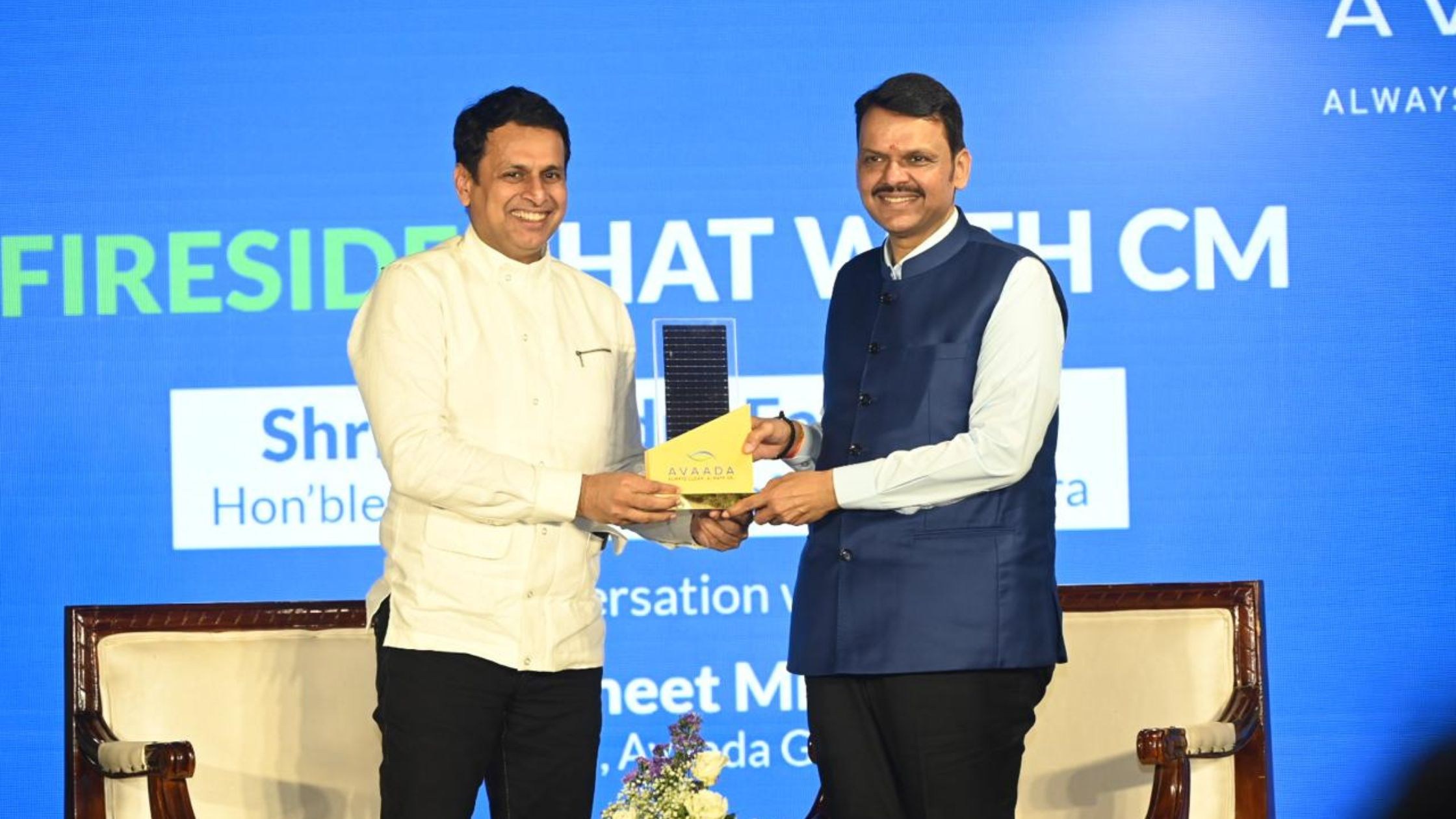
Developed by Masdar in partnership with Emirates Water and Electricity Company (EWEC), this initiative builds on Masdar’s two decades of experience in renewable energy across more than 40 countries. By 2030, Masdar aims to achieve a 100 GW global clean energy portfolio, and this project is the company’s most technologically ambitious to date.
This Abu Dhabi gigascale solar-plus-storage project marks a significant trend in the region, highlighting how large-scale battery storage paired with solar can provide 24/7 dispatchable energy. It sets a new benchmark for countries aiming to decarbonize while meeting the growing demand for digital and AI-driven technologies. By demonstrating that renewable energy can be reliable, economically viable, and scalable, the facility positions Abu Dhabi as a global leader in energy innovation and offers a blueprint for similar projects worldwide.
With its combination of solar power, large-scale storage, and advanced AI management, the project proves that renewable energy is no longer limited to daylight hours. It represents a major shift in the market, showing that solar can now replace conventional baseload power while supporting the next generation of technological growth.
Subscribe to get the latest posts sent to your email.