The National Energy Policy Council (NEPC) has approved the initial framework for a major new solar initiative aimed at advancing community-based power generation across the country. The decision, announced on October 27, 2025, clears the way for the development of 1,500 MW of ground-mounted solar power under a fast-tracked program led by the Ministry of Energy as part of its “Quick Big Win” strategy. Applications for the program are expected to open in December 2025, creating an urgent and highly competitive environment for developers ready to move quickly.
The Energy Regulatory Commission (ERC) is now responsible for issuing the detailed regulations and final application conditions, which are anticipated in the near future. The program is intended to encourage local participation, strengthen energy independence at the community level, and help reduce electricity prices across the country.
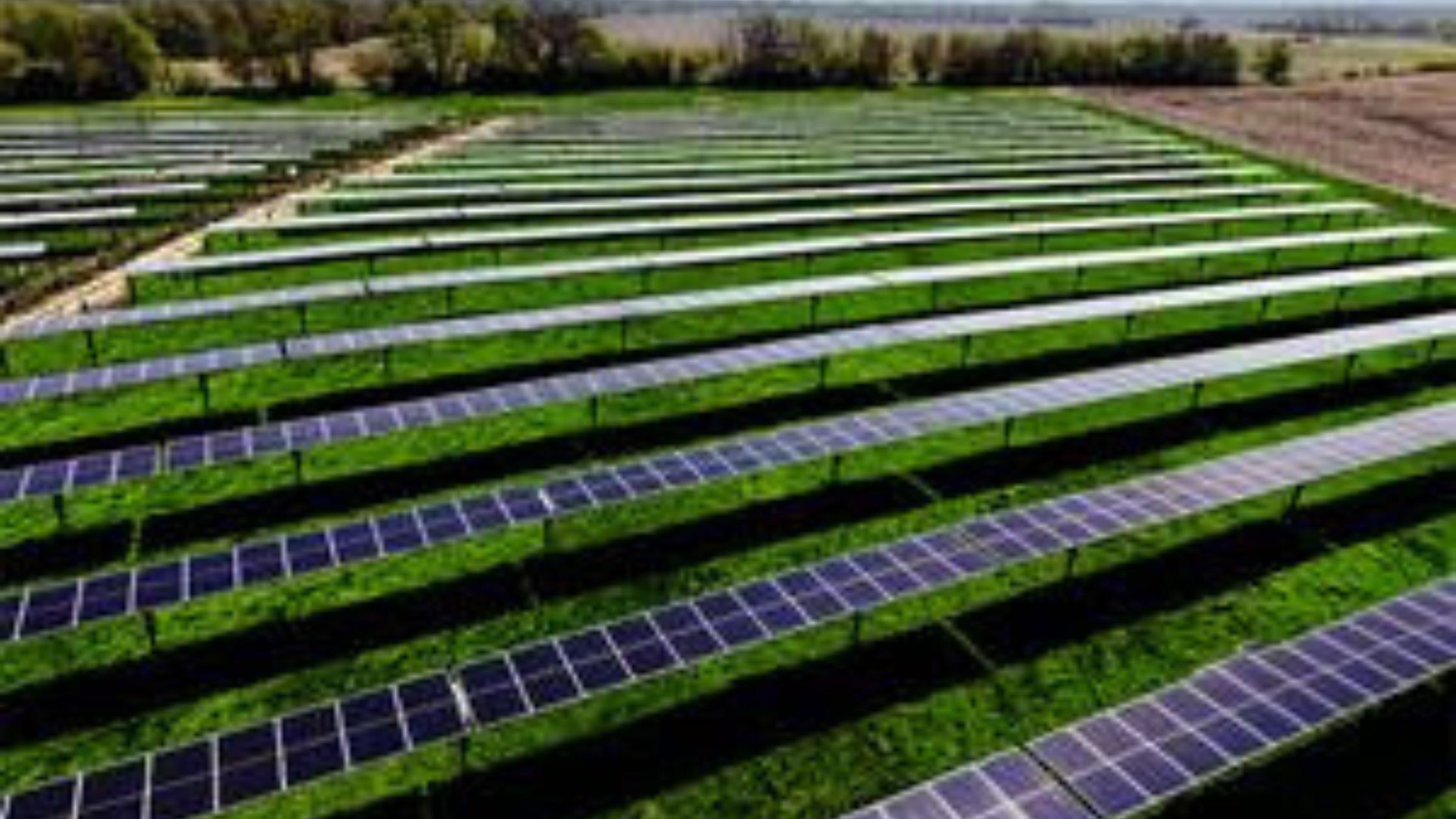
According to the approved framework, the total project quota is 1,500 MW distributed nationwide. Each project must be a ground-mounted solar farm with a maximum capacity of 10 MW and will fall under the Very Small Power Producer (VSPP) category. Developers will sign a 25-year non-firm Power Purchase Agreement (PPA). Electricity generated under the scheme will receive a Feed-in Tariff (FiT) of up to THB 2.25 per kWh. The power will be purchased by either the Provincial Electricity Authority (PEA) or the Metropolitan Electricity Authority (MEA) and then supplied to local communities.
A major feature of the selection process is the “first-come, first-served” approach, meaning that only developers able to prove readiness quickly will succeed. This creates a race among investors to finalize their proposals and documentation as early as possible.
To compete effectively, applicants must demonstrate strong readiness across several areas. Developers must be registered juristic persons in Thailand, excluding government agencies, and meet minimum registered capital requirements. They must also present proof of land rights, including land lease agreements or title deeds, before applying. Technical preparation is also essential, including project feasibility studies, technology plans, and financial capability. A key requirement specific to this program is obtaining formal cooperation approval from the Local Administrative Organization (LAO) through an official format to be issued by the ERC.
Several important legal issues still require clarification and may affect project structuring. The first is the possibility of limits on foreign ownership. In the 2022 large-scale renewable energy program, foreign investors were restricted to a maximum of 49% ownership and were limited to less than half of the total shareholders. It is unclear whether similar restrictions will apply in this scheme, so international investors are advised to plan ahead for compliance.
The second commercial issue is the ownership of environmental attributes. Under the NEPC framework, Renewable Energy Certificates (RECs) and carbon credits generated by the projects will be owned entirely by the state utilities (PEA or MEA). Developers will not be able to sell or claim these credits, and this factor must be considered when building financial models.
Another potential regulatory change would remove the requirement for a factory license (Ror. Ngor. 4) for these 10 MW solar plants. If approved, this could significantly shorten project approval timelines and reduce regulatory complexity.
With a fixed 1,500 MW quota and a short preparation timeline, competition for project slots is expected to be intense. Investors are encouraged to immediately begin preparations, such as securing land and engaging with LAOs while monitoring final ERC regulation updates. The window of opportunity is narrow, and readiness will determine success in this national initiative.
Subscribe to get the latest posts sent to your email.