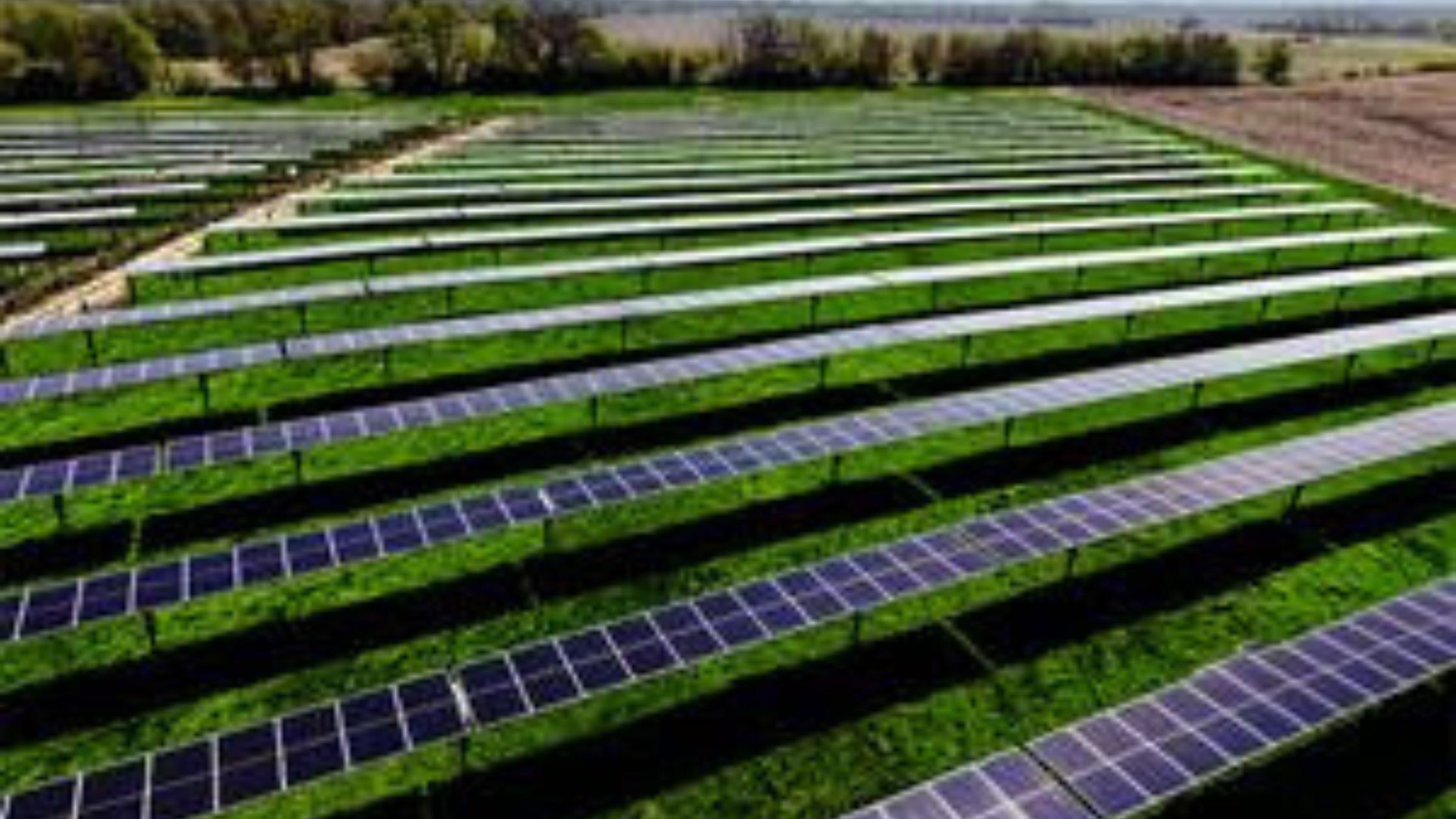
India’s PM Surya Ghar programme has crossed 50 lakh rooftop solar installations, marking a major milestone in the country’s residential clean energy transition. The scheme recorded another strong month in July 2026, adding a record 5.06 lakh homes to its expanding beneficiary base. The achievement underscores the growing uptake of decentralised solar among Indian households and the increasing role of rooftop PV in the country’s renewable energy strategy. Continued expansion of the programme is expected to broaden household participation in clean power generation while supporting India’s distributed renewable energy ambitions.
The Solar Energy Corporation of India (SECI) has invited bids for the installation of a Phasor Measurement Unit (PMU) at a 100 MW solar project integrated with a 40 MW/120 MWh BESS in Chhattisgarh. The proposed PMU infrastructure is intended to strengthen real-time monitoring and visibility of the hybrid renewable energy asset, supporting reliable interaction with the electricity grid. The tender highlights the increasing importance of advanced monitoring technologies as India integrates larger volumes of solar generation with battery storage to improve flexibility, operational control and grid stability.
India is accelerating its nuclear energy strategy with a ₹20,000 crore Nuclear Energy Mission focused on research and development of indigenous Small Modular Reactors (SMRs). The programme forms part of the country’s longer-term effort to expand reliable, low-carbon power generation while strengthening domestic nuclear technology capabilities. The mission targets the development of at least five indigenously designed and operational SMRs by 2033 and sits within India’s broader ambition to reach 100 GW of nuclear capacity by 2047. The initiative also signals a greater role for advanced nuclear technologies in India’s future energy mix.
NTPC has invited bids for operations, maintenance and security services at its 15 MW solar power plant in Madhya Pradesh. The tender focuses on maintaining reliable plant operations and safeguarding the solar facility as part of NTPC’s management of its renewable generation assets. Effective O&M is increasingly important as India’s operational solar fleet expands, with plant availability, monitoring, preventive maintenance and asset security directly influencing long-term generation performance. The tender reinforces NTPC’s continued focus on maintaining existing renewable infrastructure alongside the development of new clean energy capacity.
The Rajasthan Renewable Energy Corporation Limited (RRECL) has released a draft Standard Operating Procedure addressing mandatory Battery Energy Storage System (BESS) integration in renewable energy projects across Rajasthan. The framework is aimed at creating clearer procedures for storage deployment alongside renewable generation as the state manages rising solar and wind penetration. Rajasthan’s evolving storage requirements reflect a broader shift toward pairing renewable capacity with flexible resources to support grid reliability, manage generation variability and improve renewable energy utilisation. The proposed framework could have important implications for developers planning new renewable projects in the state.
NTPC Renewable Energy Limited (NTPC REL) has floated a three-month operations and maintenance tender covering the 62.5 MW Sadla-I Solar Plant in Gujarat. The short-duration contract is aimed at ensuring continued operational support and maintenance of the project while maintaining generation performance and plant reliability. O&M services remain a critical part of utility-scale solar asset management, encompassing routine monitoring, preventive maintenance and timely resolution of operational issues. The tender reflects NTPC REL’s ongoing focus on efficiently managing its operating renewable energy portfolio as the company continues expanding its clean power presence across India.
The Maharashtra Electricity Regulatory Commission (MERC) has approved BEST’s procurement of 220 MW solar power integrated with 110 MW/440 MWh energy storage from SECI under a 25-year arrangement. The solar capacity will come from three developers, with discovered tariffs ranging from ₹2.86–₹2.87/kWh, plus SECI’s ₹0.07/kWh trading margin. The procurement will help BEST meet renewable purchase and energy storage obligations while reducing exposure to volatile short-term electricity markets. The projects will be developed within Maharashtra and connected to the state transmission network.
MERC has approved tariffs associated with 2,269 MW of distributed solar procurement under MSEDCL’s Mukhyamantri Saur Krushi Vahini Yojana (MSKVY) 2.0 in Maharashtra. The programme is designed to expand decentralised solar generation while enabling daytime renewable electricity supply for agricultural consumers. Earlier proceedings had set a ceiling tariff of ₹2.90/kWh, while bids aggregating 2,269 MW were subsequently received at an expected weighted average tariff of about ₹2.81/kWh. The procurement represents another significant expansion of Maharashtra’s distributed solar programme and its strategy to solarise agricultural electricity demand.
India is advancing electrification across transport, industry and agriculture as policy measures increasingly promote the shift toward electricity-based technologies and cleaner energy consumption. The transition is broadening electricity’s role across economic sectors while creating additional demand for renewable generation, grid infrastructure and energy storage. Transport electrification, cleaner industrial processes and the adoption of electric technologies in agriculture can reduce dependence on fossil fuels while improving energy efficiency. The policy push also underlines the importance of strengthening power networks and renewable supply as electricity becomes an increasingly central component of India’s wider decarbonisation and energy security strategy.
Subscribe to get the latest posts sent to your email.