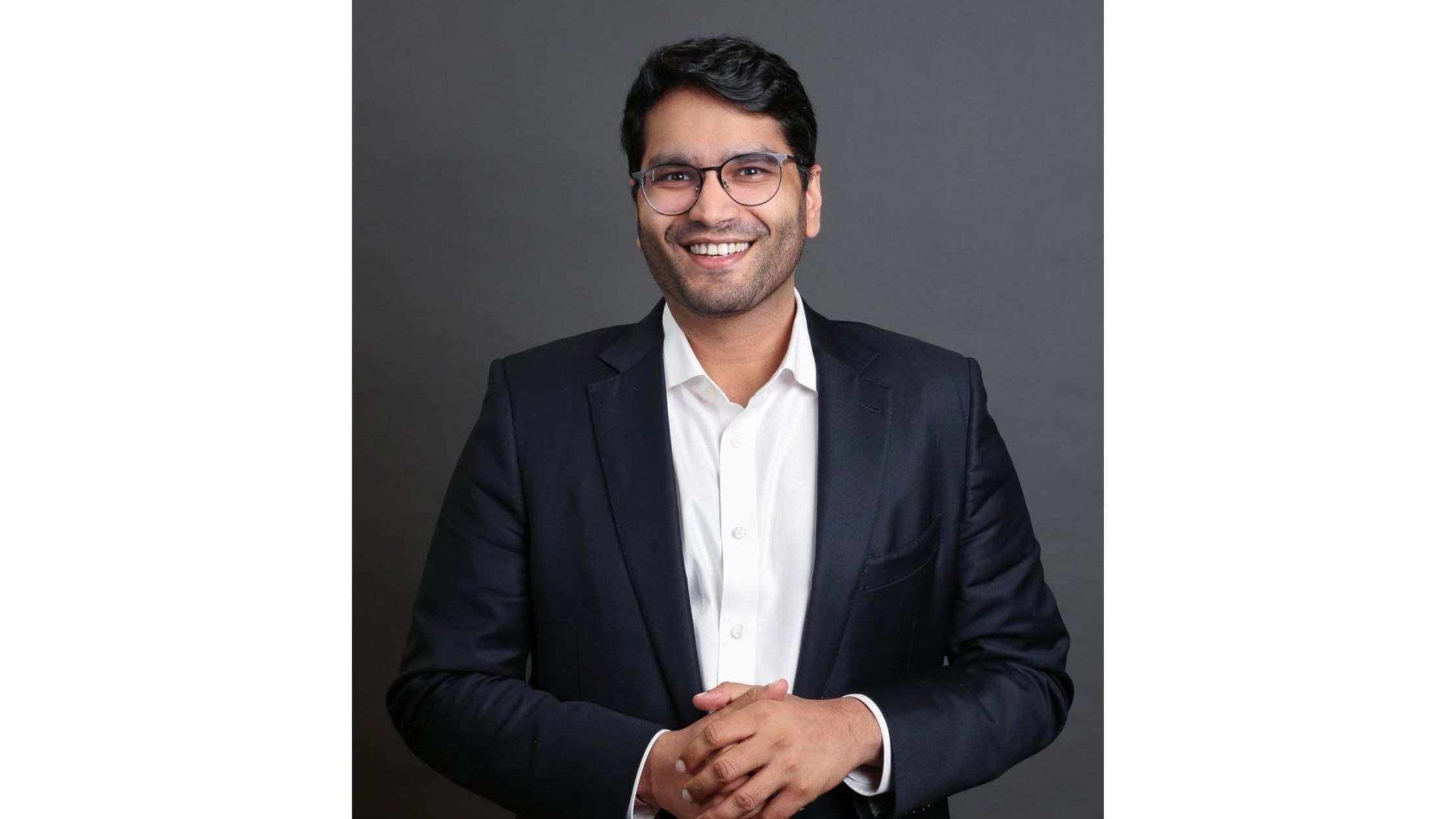
A new investment approach is emerging from the Gulf, one that seeks to reposition regional capital not just as a source of fossil fuel wealth, but as a major player in global climate finance. Sheikh Ahmed Dalmook Al Maktoum, Chairman of Inmā Emirates Holdings, is leading this shift through a series of strategic renewable energy investments. His company is behind projects such as a 1,200-megawatt green energy initiative in Pakistan and a 250-megawatt power plant in Ghana. These projects not only help emerging markets address their energy shortages but also enhance the Gulf’s reputation in the climate finance sector.
This move is part of a broader regional push towards renewable energy. The UAE, which is hosting COP28, has pledged $4.5 billion to support Africa’s energy transition as part of a $30 billion climate-focused investment initiative. Gulf countries are rapidly expanding their renewable energy capacities. Installed renewable capacity in the region grew from under 500 megawatts in 2017 to nearly 4,000 megawatts in 2022. Saudi Arabia, for instance, has set a target of 130 gigawatts by 2030, a massive increase from the current capacity of less than 5 gigawatts.
The Gulf’s investments in renewable energy provide multiple strategic benefits. They help diversify the region’s economies, allowing hydrocarbon production to continue while promoting capital that aligns with climate objectives. These projects also create opportunities for Gulf countries to export their clean energy expertise to other regions. Companies like the UAE’s Masdar and Saudi Arabia’s ACWA Power are deploying large-scale renewable energy projects across Africa. By late 2024, ACWA Power had invested $7 billion in the continent, while Masdar committed $2 billion to deliver 10 gigawatts of clean energy capacity in Africa by 2030 through the Africa50 initiative.
For countries receiving these investments, the benefits are immediate. Pakistan’s 1,200-megawatt project supports its clean energy transition and reduces dependence on costly fossil fuel imports. Ghana’s 250-megawatt plant strengthens energy reliability, which is critical for industrial development and economic growth. Unlike traditional infrastructure financing, renewable projects typically rely on power purchase agreements, or PPAs, that provide predictable and inflation-protected revenue streams over 20 to 30 years. This model is attractive to institutional investors with ESG mandates and allows governments to secure essential energy capacity without large upfront capital expenditure.
The Gulf’s approach to climate finance also includes innovative financial structures. The UAE’s $30 billion ALTÉRRA fund, for example, encourages private investment in developing countries by capping returns on higher-risk projects. This structure helps address a major challenge: private capital covers less than half of the financing needed for climate mitigation outside China. By reducing political and economic risk, Gulf capital is making it easier for private investors to participate in renewable energy projects in emerging markets.
Domestic renewable energy deployment in the Gulf further supports this strategy. Facilities like the UAE’s Barakah nuclear plant and the Mohammed bin Rashid Al Maktoum solar park generate expertise that can be exported internationally. Sheikh Ahmed Dalmook Al Maktoum’s projects combine Gulf capital, international technology, and local government priorities. The Pakistan project uses large-scale solar and wind, while the Ghana plant is integrated into the West African grid, supporting regional energy trading.
By balancing continued hydrocarbon production with aggressive renewable energy investment, Gulf investors are responding to global scrutiny over fossil fuel reliance and gaining access to Western capital that demands ESG compliance. While some critics question whether this is a genuine transition or greenwashing, for countries like Pakistan and Ghana, the priority is the rapid delivery of commercially viable energy infrastructure. The ultimate measure of success will depend on whether these investments can endure fluctuating oil prices and changing political environments, but for now, the Gulf’s commercial-scale renewable projects have firmly established the region as a credible player in global climate finance.
Subscribe to get the latest posts sent to your email.