The cost of shipping oil is likely to remain high in the first half of 2026 as the global fleet ages and a rising number of vessels are hit with Western sanctions, shipping sources say, though rates could be capped in the second half.
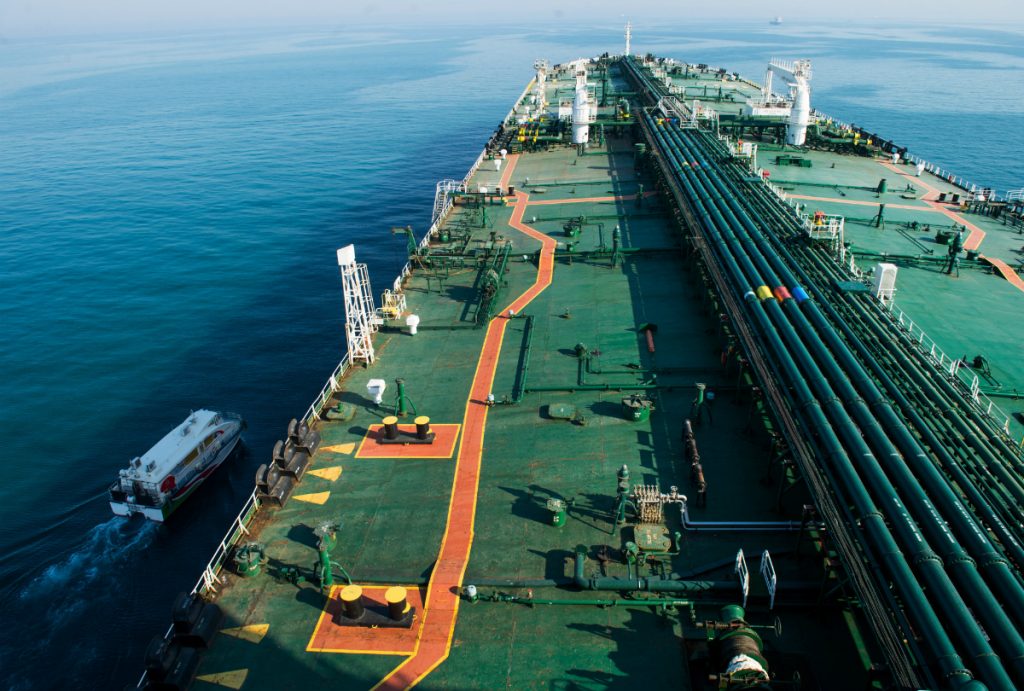
In recent weeks, the cost of shipping oil has risen to about $130,000 a day for very large crude carriers (VLCCs) thanks to high demand from OPEC and its allies. On top of that, the supply of available ships has been reduced because some vessels have been sanctioned for carrying oil from Iran, Russia and Venezuela, according to data and industry sources.
Get the Latest US Focused Energy News Delivered to You! It’s FREE:
“It’s a very strong market now,” said Jan Rindbo, chief executive of Danish shipping group Norden.
International sanctions on Russia and the diversion of shipping away from the Red Sea due to attacks by the Iran-backed Houthi militia have disrupted shipping routes, forcing vessels to take longer voyages to get crude to refineries.
Next year, the fleet utilisation for VLCCs is expected to rise to 92% – the highest level since 2019 – from 89.5% in 2025, according to estimates from Omar Nokta, an analyst with U.S. investment bank Jefferies. Fleet utilisation is a measure of how much of the tanker fleet is hired versus standing idle.
Stringent vetting by major oil firms in recent years has meant that older tankers – especially VLCCs, which can transport up to 2 million barrels per voyage – are used less after 15 years as their efficiency declines and they face more safety issues.
Nearly 44% of the global VLCC fleet is older than 15 years and nearly 18% of supertankers in that segment have been hit with sanctions, said Lars Barstad, chief executive of tanker group Frontline, last month.
Deliveries of new tankers to shipping companies are expected to pick up later in 2026, which should cap rates, according to market assessments.
Richard Matthews, the head of research for ship broker Gibson, said scheduled tanker deliveries next year will be at their highest point since 2009.
“While this is more weighted towards (refined oil) product tankers than crude tankers, overall vessel supply will progressively improve next year as more vessels are delivered from shipyards,” he said.
SHADOW FLEET DOMINATES
Oil companies and shipping firms are grappling with the impact of the so-called “shadow fleet” that operates outside of Western scrutiny and maritime standards. Many of these vessels have been hit with sanctions.
Typically, shadow fleet vessels are old, ownership is opaque, and they sail without top-tier insurance coverage required by major oil firms and many ports.
“It’s a fleet that’s getting more and more ungoverned,” said Jan Dieleman, the president of Cargill Ocean Transportation. “I don’t think anybody who imposes sanctions wanted this outcome.”
The overall fleet working with sanctioned oil from Russia, Iran and Venezuela includes 1,423 tankers, of which 921 are subject to U.S., British or EU sanctions, according to analysis from maritime data specialist Lloyd’s List Intelligence.
Of those 1,423 vessels, 702 are crude oil tankers, of which 148 are not subject to sanctions, Lloyd’s List Intelligence data showed.
The non-sanctioned global crude and fuel tanker fleet includes around 9,000 vessels, according to market estimates.
Cargill’s Dieleman said the outlook for tanker rates could change quickly if, for example, more vessels resumed voyages through the Red Sea.
(Reporting by Jonathan Saul and Jeslyn Lerh; Editing by Thomas Derpinghaus)
Share This:
More News Articles