KERC Proposes New Solar Tariffs For 2026-29, Aims To Boost Rooftop Solar Adoption In Karnataka

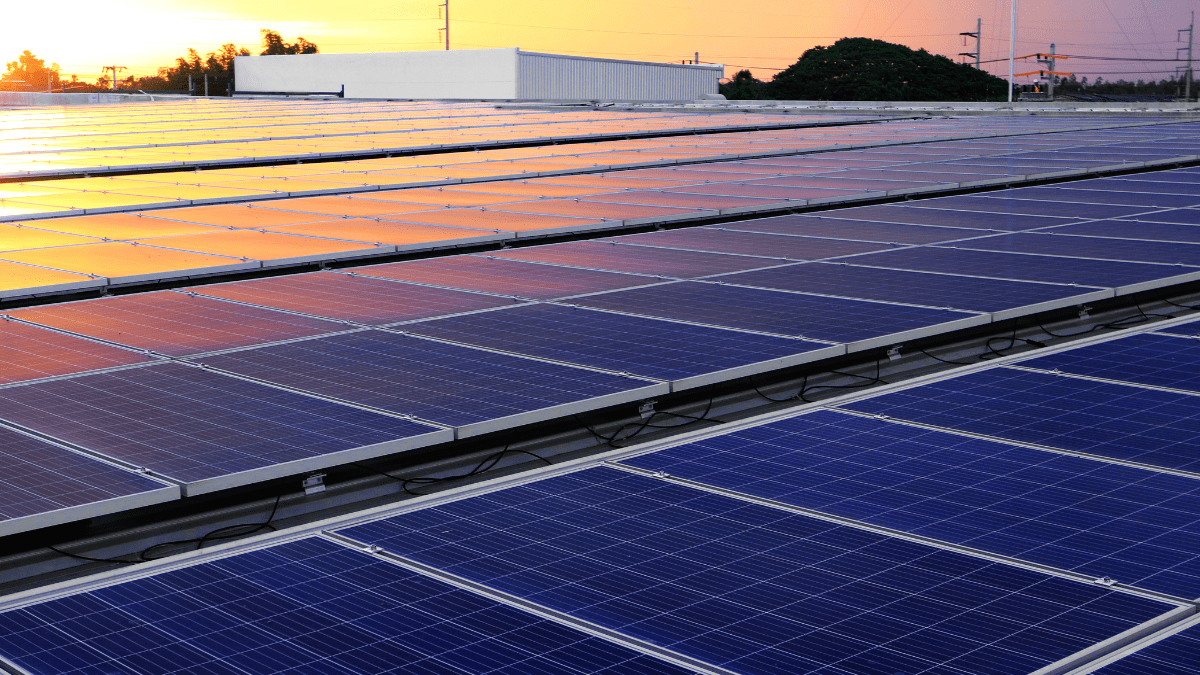
Representational image. Credit: Canva

The Karnataka Electricity Regulatory Commission (KERC) has released a discussion paper proposing new tariffs and regulatory norms for solar power projects in the state. The proposed framework will be applicable during the control period from July 1, 2026, to June 30, 2029, and aims to promote greater adoption of solar energy across different consumer categories.

According to KERC, Karnataka has achieved significant growth in solar power capacity over the years. As of April 30, 2026, the state had an installed solar capacity of 6,354.74 MW under the Power Purchase Agreement (PPA) mode. However, the commission observed that Distributed Solar Photovoltaic (DSPV) projects contribute only 920.74 MW of the total capacity. Large-scale solar projects continue to dominate the market, while participation from smaller and domestic consumers remains relatively low.

To address this imbalance, KERC has proposed revised financial and tariff structures designed to encourage more residential consumers to install rooftop solar systems. The commission believes that promoting small-scale solar installations will help increase distributed renewable energy generation and improve consumer participation in the clean energy transition.

Under the proposal, the capital cost for ground-mounted utility-scale solar projects has been set at Rs. 306.90 lakh per MW, including land expenses of Rs. 36 lakh per MW. For DSPV projects installed on consumer premises, land costs have not been considered. The proposed capital cost for general DSPV projects is Rs. 27,090 per kW. For domestic consumers installing rooftop solar systems between 1 kW and 10 kW, KERC has proposed a higher capital cost of Rs. 35,000 per kW to support wider adoption.

The commission has used common financial assumptions for calculating tariffs. Solar projects are assumed to have a useful life of 25 years and a capacity utilization factor of 19%. The proposed debt-equity ratio is 70:30, with a loan tenure of 13 years and an interest rate of 10.80%. Return on equity has been fixed at 14% annually, while the discount rate has been set at 11.76%.

Based on these parameters, KERC has proposed lower solar tariffs compared to the previous control period. The benchmark tariff for megawatt-scale solar projects has been proposed at Rs. 2.65 per unit, down from Rs. 3.07 per unit in 2025. General DSPV projects have been assigned a tariff of Rs. 2.37 per unit, while domestic DSPV systems of 1 kW to 10 kW are proposed to receive Rs. 3.03 per unit without subsidies. Under the PM Surya Ghar Muft Bijli Yojana, subsidized tariffs ranging from Rs. 1.87 to Rs. 2.49 per unit have also been proposed, depending on system size.


Subscribe to get the latest posts sent to your email.
 

  • Related Posts

    UP Invests ₹5,400 Crore In Green Energy Corridor-II To Support 22 GW Solar Ambitions

    A large-scale solar panel installation runs alongside a busy highway in a green rural area. Uttar Pradesh is making significant progress toward becoming a major renewable energy hub with an…

    GERC Reviews Dispute Over 2.64 MW Captive Solar Project Delay And Bank Guarantee Encashment

    Representational image. Credit: Canva The Gujarat Electricity Regulatory Commission (GERC) is hearing a dispute between Carysil Limited and Paschim Gujarat Vij Company Limited (PGVCL) regarding the commissioning timeline of a…

    Have You Seen?

    UP Invests ₹5,400 Crore In Green Energy Corridor-II To Support 22 GW Solar Ambitions

    • June 20, 2026
    UP Invests ₹5,400 Crore In Green Energy Corridor-II To Support 22 GW Solar Ambitions

    GERC Reviews Dispute Over 2.64 MW Captive Solar Project Delay And Bank Guarantee Encashment

    • June 20, 2026
    GERC Reviews Dispute Over 2.64 MW Captive Solar Project Delay And Bank Guarantee Encashment

    KERC Proposes New Solar Tariffs For 2026-29, Aims To Boost Rooftop Solar Adoption In Karnataka

    • June 20, 2026
    KERC Proposes New Solar Tariffs For 2026-29, Aims To Boost Rooftop Solar Adoption In Karnataka

    ScottishPower Energy Networks Highlights The People Driving The UK’s Electricity Network Transformation

    • June 20, 2026
    ScottishPower Energy Networks Highlights The People Driving The UK’s Electricity Network Transformation

    EBRD Marks 10 Years Of Green Cities Programme With High-Level Talks On Sustainable Growth And Investment

    • June 20, 2026
    EBRD Marks 10 Years Of Green Cities Programme With High-Level Talks On Sustainable Growth And Investment

    NLC India Invites Bids For Monitoring SECL’s 40 MW Solar Power Plants In Chhattisgarh

    • June 20, 2026
    NLC India Invites Bids For Monitoring SECL’s 40 MW Solar Power Plants In Chhattisgarh

    Fertilisers And Chemicals Travancore Invites Bids For 6 MW Floating Solar Project At Ambalamedu Lake In Kerala

    • June 20, 2026
    Fertilisers And Chemicals Travancore Invites Bids For 6 MW Floating Solar Project At Ambalamedu Lake In Kerala

    Bridge And Roof Company Invites Bids For ₹63.07 Crore BoS Package Of 100 MW Khavda Solar Project

    • June 20, 2026
    Bridge And Roof Company Invites Bids For ₹63.07 Crore BoS Package Of 100 MW Khavda Solar Project

    SECI And MahaGenco REL Join Hands To Develop 5 GW Renewable Energy Pipeline Across India

    • June 20, 2026
    SECI And MahaGenco REL Join Hands To Develop 5 GW Renewable Energy Pipeline Across India

    Hormuz Traffic Stalls as U.S.-Iran Talks Collapse

    • June 20, 2026
    Hormuz Traffic Stalls as U.S.-Iran Talks Collapse