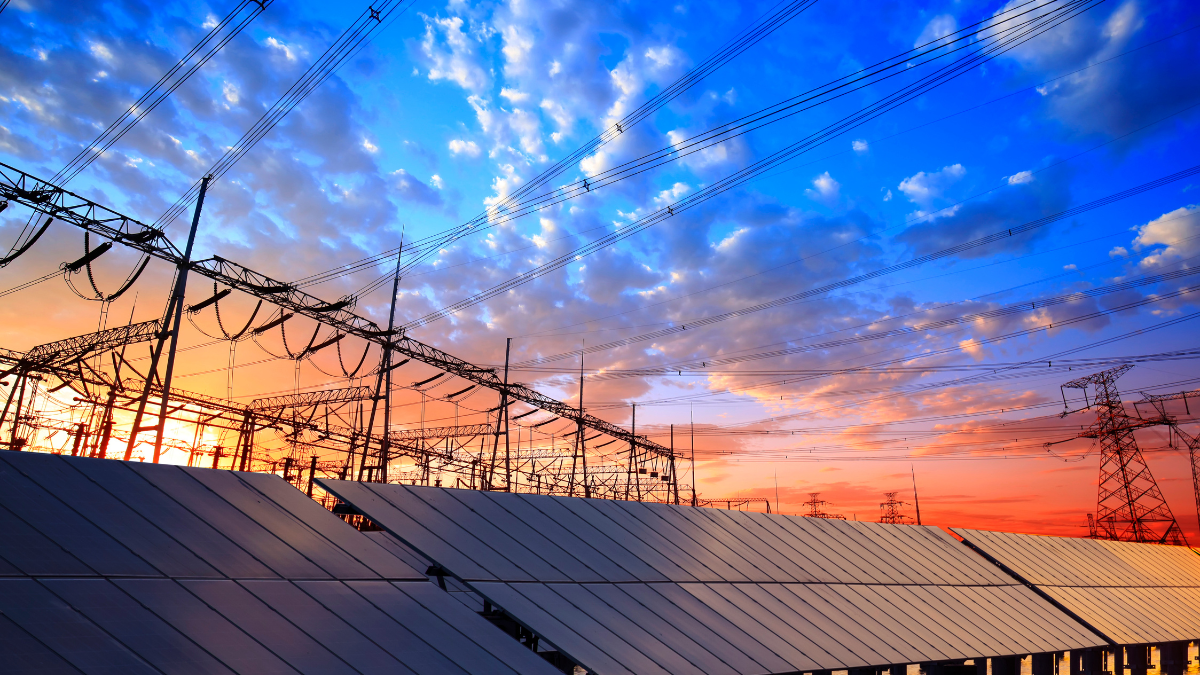
As India closes 2025, captive solar power has firmly moved from being an alternative energy option to a strategic business decision for commercial and industrial consumers. Rising electricity costs, policy evolution, and sustainability mandates are together reshaping how Indian businesses think about power procurement.
From our experience at Bhaskar Jyoti India Private Limited, working with industrial clients across multiple states, it is evident that companies are increasingly viewing captive solar as a long-term hedge against energy uncertainty rather than a short-term cost-saving measure.
For commercial and industrial users, grid electricity tariffs in India vary widely by state but typically fall in the range of ₹7 to ₹9 per unit, once applicable surcharges, duties, and wheeling charges are considered. Frequent tariff revisions and cross-subsidy structures make long-term cost planning challenging for businesses.
In comparison, captive solar power projects today are commonly deployed at levelised costs in the range of ₹3.5 to ₹4.5 per unit, depending on project size, location, and configuration. Over a project life of 20–25 years, this provides businesses with significant cost visibility and insulation from future tariff increases.
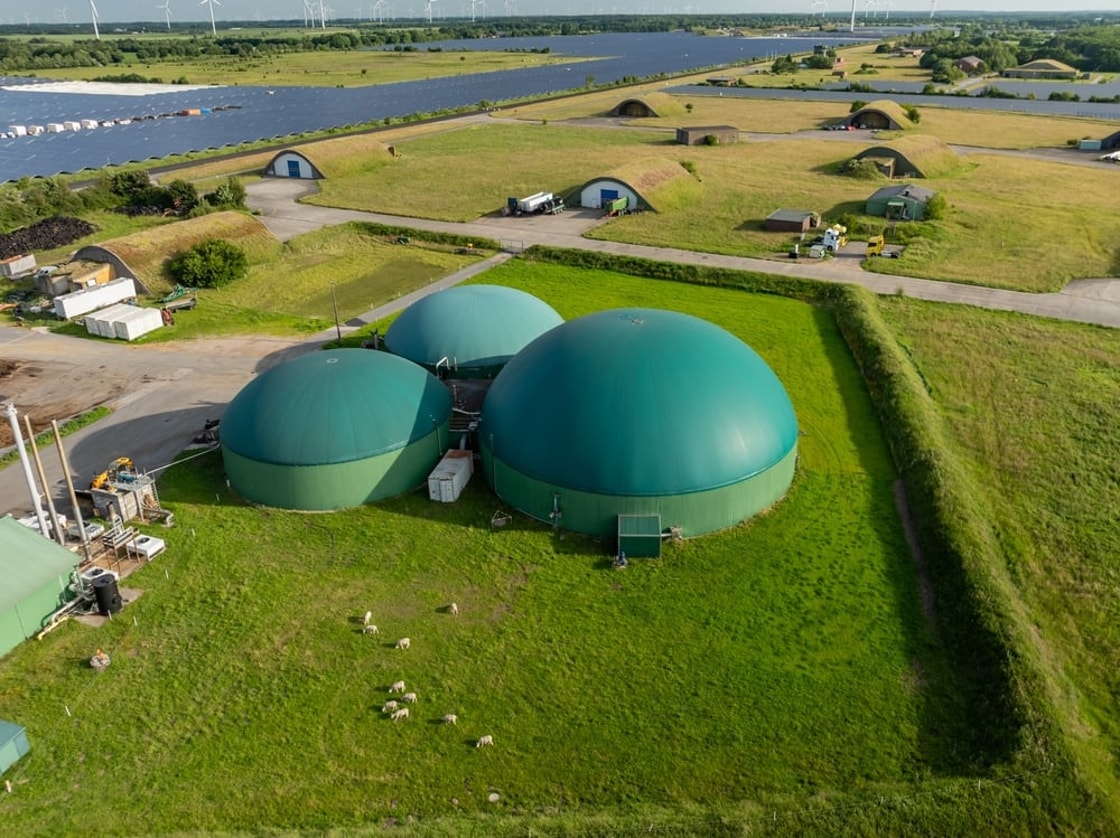
India’s total installed solar capacity crossed 80 GW in 2025, according to government and industry data. While utility-scale projects continue to dominate capacity additions, the commercial and industrial segment — including captive and group captive projects — has emerged as one of the fastest-growing sub-segments.
Industry estimates indicate that captive and open-access installations now account for a meaningful share of annual solar additions, driven by manufacturing units, data centres, warehouses, and large commercial facilities seeking energy security.
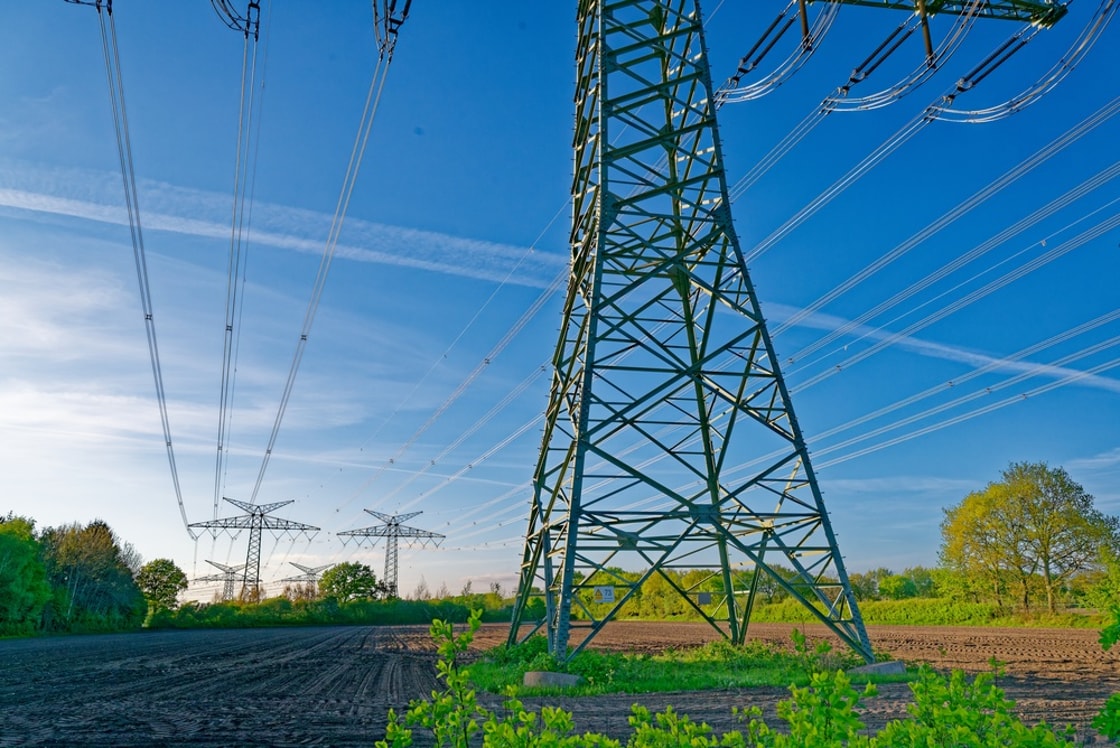
Over the past few years, regulatory clarity around captive ownership norms, open-access eligibility, and energy banking provisions has improved across several states. While policy frameworks continue to evolve, the direction is clear: decentralised generation is increasingly being recognised as a necessary complement to grid infrastructure.
As India moves toward 2026, captive solar is also being viewed by policymakers as a tool to ease peak demand pressure and reduce grid congestion, particularly in industrial clusters.
Sustainability considerations are no longer limited to CSR initiatives. ESG disclosures, investor expectations, and global supply-chain requirements are compelling businesses to demonstrate actual reductions in operational emissions.
Captive solar enables companies to directly source clean energy, often contributing to 20–30% reductions in scope-2 emissions, depending on energy consumption patterns. This shift is especially important for export-oriented manufacturers facing increasing scrutiny from international customers.
Technological advancements and execution maturity have significantly improved confidence in captive solar projects. Higher-efficiency modules, better inverters, digital monitoring systems, and structured O&M practices have enhanced plant performance and reliability.
At Bhaskar Jyoti India Pvt. Ltd., we have observed that clients today approach captive solar with far greater clarity and preparedness than even a few years ago, reflecting the growing maturity of India’s EPC ecosystem.
India’s manufacturing growth ambitions are inherently energy intensive. As factories scale capacity, reliance on grid power alone exposes businesses to cost escalation and supply constraints.
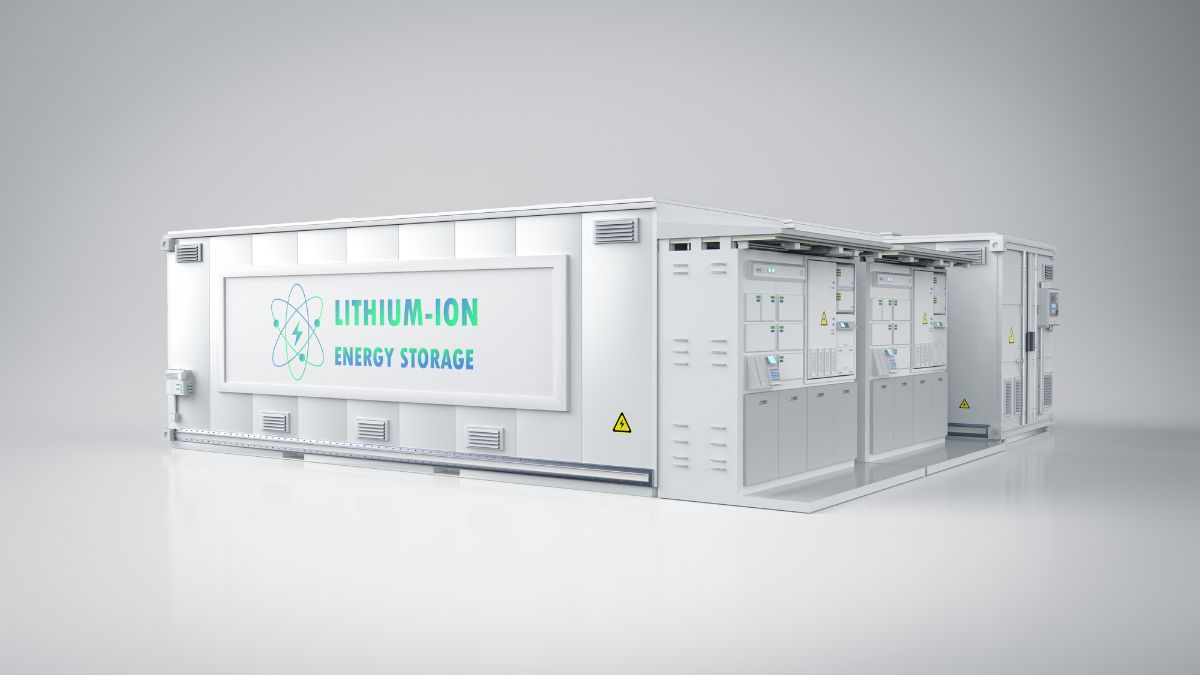
Captive solar — increasingly combined with hybrid or storage solutions — is emerging as a practical approach for manufacturers seeking to expand operations while maintaining control over energy costs.
By 2026, captive solar will be widely recognised as core infrastructure, not an auxiliary renewable initiative. Businesses that adopt early will benefit from long-term cost stability, improved ESG alignment, and greater operational resilience.
India’s energy transition will not be driven by policy alone. It will be shaped by businesses choosing to generate power responsibly, efficiently, and independently.
By Nitesh Gupta, MD, Bhaskar Jyoti India
Subscribe to get the latest posts sent to your email.