As we wrap up the year, global renewables remain on a strong upward trajectory — with solar PV clearly leading the transition — but the International Energy Agency (IEA) warns that grid bottlenecks, policy uncertainty, and market design will increasingly shape what happens next. The latest IEA Renewables 2025: Analysis and Forecasts to 2030 report projects that global renewable power capacity will rise by around 4,600 GW by 2030, effectively adding the equivalent of the combined power generation capacity of China, the European Union and Japan.
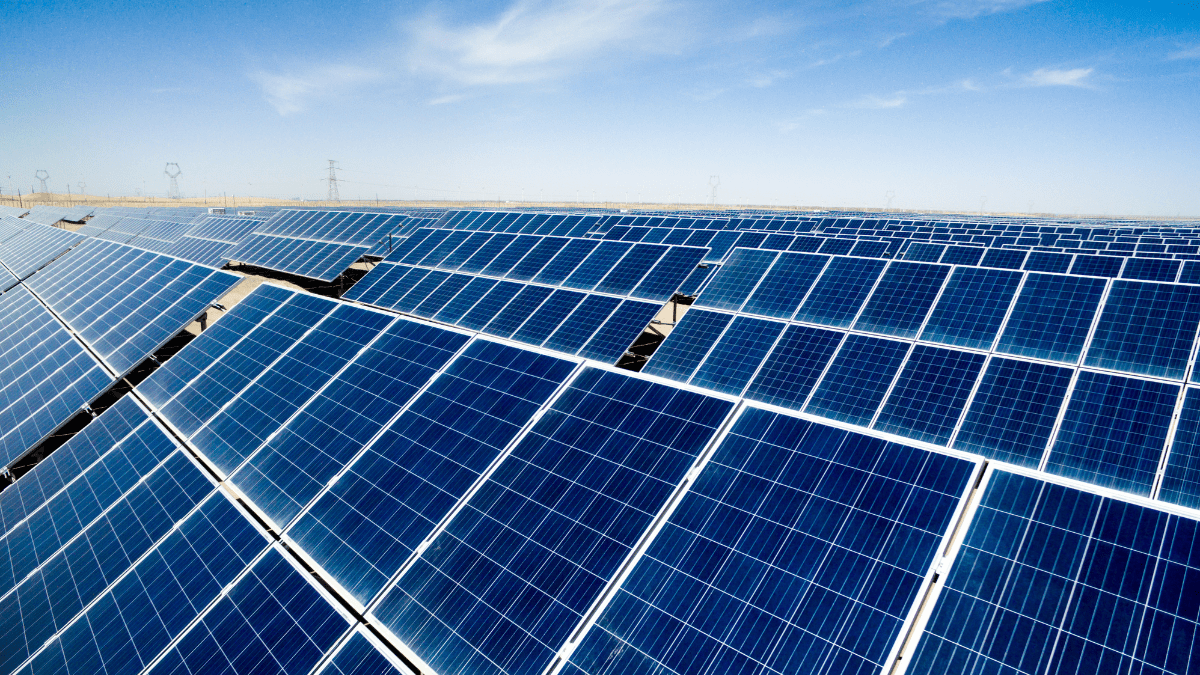
Solar PV is the centerpiece of this expansion, expected to account for almost 80% of global renewable capacity growth through 2030, supported by low costs, faster permitting, and strong social acceptance.
Wind remains the second-largest contributor, with global wind capacity expected to nearly double to over 2,000 GW by 2030, despite supply chain constraints and permitting delays.
Yet, the IEA also notes that the global renewables outlook has been revised 5% downward compared to last year, mainly due to policy shifts in the United States and China. The US forecast is reduced by nearly 50%, reflecting earlier phase-outs of federal tax credits, new import restrictions, and limitations on wind and solar development on federal land.
In China, the shift from fixed tariffs to competitive auctions is lowering near-term expectations, even though China still accounts for nearly 60% of global renewable capacity growth and remains on track to meet its longer-term wind and solar goals ahead of schedule.
On the demand side, renewables are projected to supply 43% of global electricity generation by 2030, rising from 32% in 2024, with solar and wind making up most of the increase.
Renewables are also expected to surpass coal by the end of 2025 (or mid-2026 depending on hydropower conditions), becoming the world’s largest electricity source.
However, integration challenges are becoming the defining story. Curtailment and negative electricity prices are increasing rapidly in markets with high solar and wind shares, signalling a lack of flexibility and grid readiness.
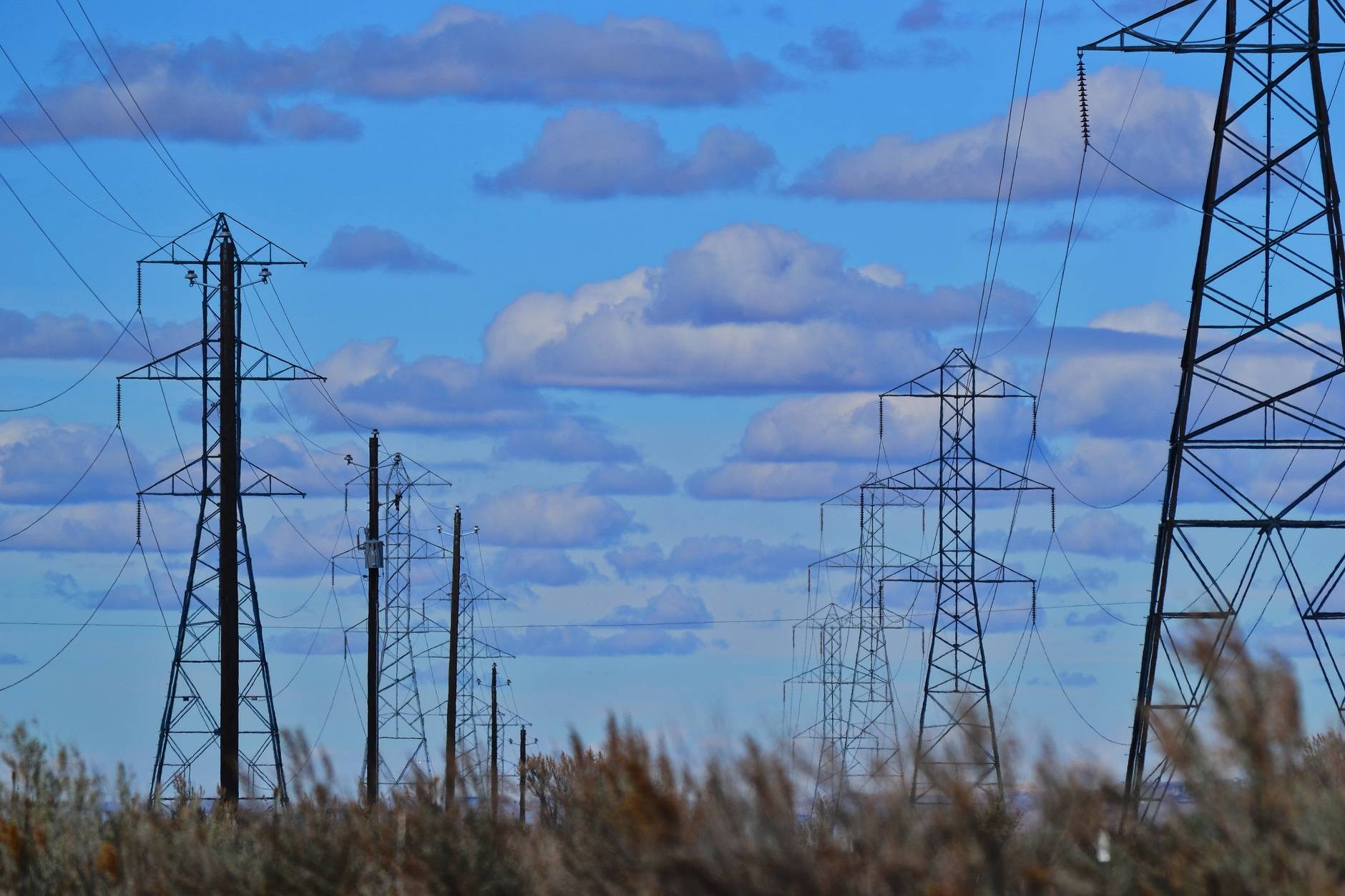
The report highlights that better transmission planning, storage deployment, and demand-side flexibility will be essential to avoid wasted clean power and protect project economics.
Finally, a major market shift is underway: competitive auctions now drive nearly 60% of global utility-scale renewable additions expected between 2025–2030, replacing feed-in tariffs as the dominant model.
2025 reinforced that renewables — especially solar — are scaling faster than ever, but the next chapter will depend on grids, storage, and stable policy frameworks catching up with generation growth.
Subscribe to get the latest posts sent to your email.