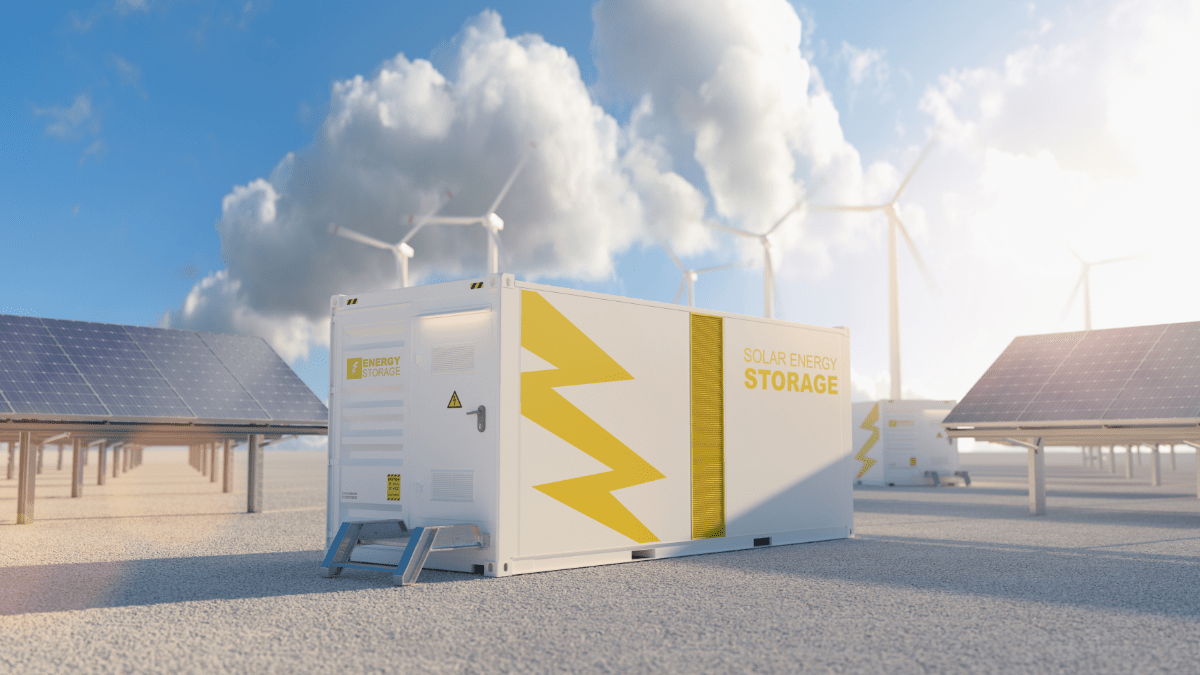
The year 2025 marked a defining phase for India’s energy storage ecosystem, with a series of landmark policy initiatives strengthening the country’s transition toward a resilient and sustainable power system. A combination of regulatory reforms, fiscal incentives, and long-term planning positioned energy storage as a central pillar of India’s clean energy strategy.
One of the most significant developments was the Cabinet’s approval of the National Critical Minerals Mission, aimed at securing key raw materials essential for battery manufacturing. In the Union Budget, the government also exempted 35 critical capital goods used in battery manufacturing from customs duty, providing a major boost to domestic manufacturing.
In March, Grid India released its Short-Term Resource Adequacy Plan (2025–26), projecting a requirement of 4 GW / 17 GWh of Battery Energy Storage Systems (BESS) and 3 GW / 16 GWh of Pumped Storage Projects (PSP). The National Committee on Transmission (NCT) also evaluated the feasibility of BESS as an alternative to high-voltage transmission lines, marking a shift in grid planning philosophy.
Regulatory momentum continued with the Central Electricity Authority (CEA) issuing draft safety regulations, construction standards for RE projects with storage, and initiating consultations on minimum domestic value addition for BESS. The Central Pollution Control Board (CPCB) and the Ministry of Environment, Forest and Climate Change (MoEFCC) released draft guidelines on battery waste management, strengthening sustainability frameworks.
A major policy highlight was the expansion of the Viability Gap Funding (VGF) scheme. Following the success of the first tranche, the Ministry of Power approved a second tranche supporting 30 GWh of standalone BESS with an outlay of ₹5,400 crore. This included provisions for 20% domestic value addition and eligibility for software components such as energy management systems. The government also extended the Inter-State Transmission System (ISTS) waiver for solar and BESS projects up to 2028.
Collectively, these measures positioned 2025 as a watershed year, laying a robust policy foundation for large-scale deployment of energy storage and reinforcing India’s long-term clean energy transition.
Subscribe to get the latest posts sent to your email.