India has once again kicked the can down the road on its biggest oil and gas licensing round, extending the deadline for bids under OALP-X to February 18. It is the fourth extension since the round was launched with much fanfare during India Energy Week in February, and it says a lot about the gap between ambition and investor appetite.
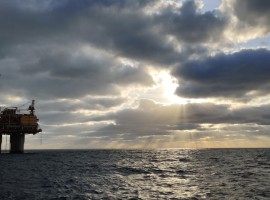
OALP-X is not a small offering quietly tucked away in some dark corner of the upstream segment. It is the largest acreage round India has ever put on the table under its Hydrocarbon Exploration and Licensing Policy, covering nearly 192,000 square kilometers across 13 sedimentary basins. The mix is heavily offshore: ultra-deepwater, deepwater, shallow water, and a smaller slice of onshore acreage. In August, New Delhi had already pushed the deadline to October, citing the need to give bidders more time. Then came another extension to December. Now it is February.
Officially, there is no explanation this time around. But unofficially, the reasons are the usual suspects. Investor participation has been lacking, weighed down by regulatory complexity, tax burdens, and lingering uncertainty over drilling rules and fiscal terms. A recent increase in the GST rate on exploration and production inputs did not help, nor did the reality that the government take can reach as much as 60 to 70 percent of upstream revenues.
That is awkward timing for a country that depends on imports for more than 85 percent of its oil and wants that number lower, not higher. India’s crude import dependence hit a record in the last fiscal year, even as demand continues to climb and domestic production stays flat. The government knows this, which is why it has been courting foreign majors and talking up frontier basins like the Andaman offshore, sometimes with Guyana-scale comparisons that raise eyebrows.
There is interest on paper. Petrobras has signed letters of intent with Indian state producers. Exxon, Chevron, BP, and TotalEnergies have all inked cooperation agreements. But interest doesn’t necessarily translate into bids, and bids do not equal rigs in the water.
Repeated deadline extensions are so far managing to keep the round alive, despite signaling hesitation.
By Julianne Geiger for Oilprice.com
More Top Reads From Oilprice.com
- Trump Says U.S. Hit Drug Boat Loading Dock as Pressure on Venezuela Mounts
- Oil Prices Climb as Trump Issues Stark Warning to Iran
- Storm Forces Halt to Kazakhstan’s Oil Exports from the Black Sea