(Reuters) – Energy markets enter 2026 in a downbeat mood as geopolitical uncertainty clouds the outlook and increasing signs of swelling oil and gas supplies threaten to sink prices.
This past year was a wild one for the oil and gas industry, punctuated by the 12-day Israel-Iran war in June, U.S. President Donald Trump’s trade wars, the intensified targeting of energy infrastructure in Russia in its war against Ukraine, OPEC’s often perplexing production decisions and the recently threatened U.S. blockade of Venezuela.
So what’s in store for next year? Here are five trends likely to shape the energy landscape in 2026 and beyond.
Get the Latest US Focused Energy News Delivered to You! It’s FREE:
THE YEAR OF THE GLUT?
Investors will keep a razor-sharp focus on signs of swelling oil inventories next year after crude prices fell nearly 20% in 2025 to about $60 a barrel on fears of significant oversupply.
Global oil output has surged over the past year. The U.S. – the world’s biggest oil producer – ramped up production, as did Canada and Brazil, while the Organization of the Petroleum Exporting Countries and its allies including Russia, a group known as OPEC+, reversed years of cuts.
The International Energy Agency forecasts supply will exceed demand in 2026 by a head-spinning 3.85 million barrels per day (bpd), the equivalent of around 4% of global demand.
Yet OPEC analysts see a largely balanced market next year, creating one of the sharpest forecast divergences in decades.
Uncertainty about the supply-demand balance has been compounded by China’s large-scale crude stockpiling since April. Traders have limited visibility about these volumes, though they are estimated to be sizeable at roughly 500,000 bpd, according to Reuters calculations.
Ultimately, the IEA looks more likely to be proven correct. According to Kpler data, oil being transported or stored on tankers has risen in recent weeks to its highest point since April 2020, when consumption cratered due to COVID-19 lockdowns. Such elevated seaborne stocks suggest onshore inventories may soon start filling, adding further downward pressure on prices.

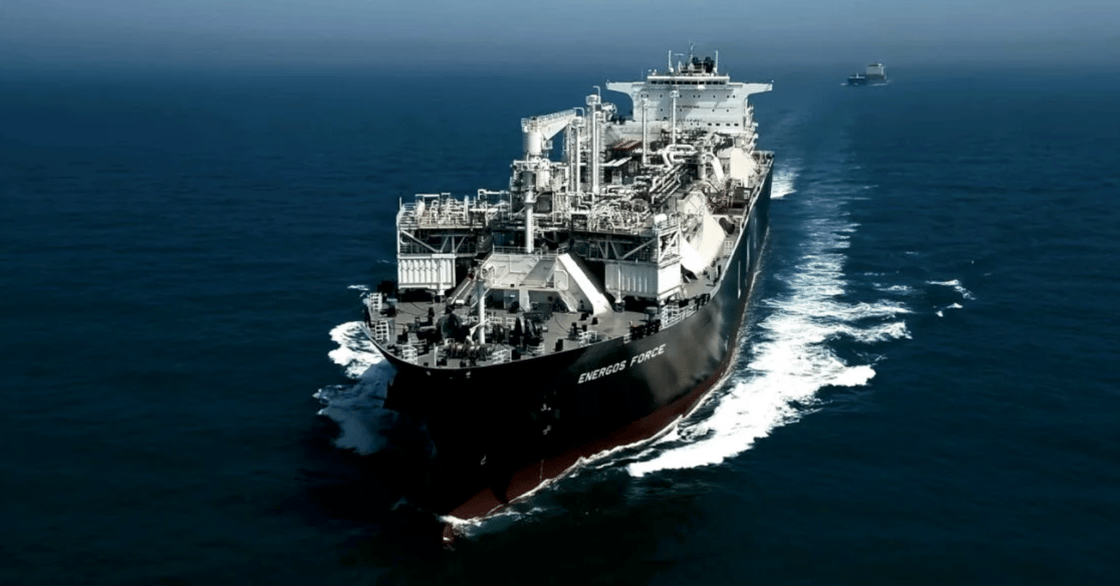
THE LNG WAVE IS COMING
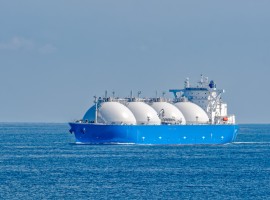
Demand for liquefied natural gas has surged in recent years, particularly as Europe has sought to rapidly replace the huge volumes of Russian pipeline gas it imported before Moscow’s invasion of Ukraine in 2022.
The boom generated enormous profits for LNG producers and traders, but that may not be the case moving forward as global export capacity ramps up.
Between 2025 and 2030, new LNG export capacity is expected to grow by 300 billion cubic metres per year, a 50% jump, according to the IEA, with around 45% coming from the U.S., the world’s biggest exporter of the fuel.
Supply is set to outpace demand growth over the same period, squeezing producers’ margins and offering consumers in Europe and Asia some relief. Rising U.S. natural gas prices pose another headache for producers.
Still, producers have some reason for optimism. As LNG prices decline in 2026 and beyond, this power source will become increasingly competitive with lower-cost options such as oil and coal, potentially boosting demand for the super-chilled fuel.

DIESEL OUTPERFORMANCE PERSISTS
Diesel profit margins have risen this year, gaining steam in the last six months as the refined-product market faced supply constraints even as the world is increasingly awash with crude oil.
Benchmark European diesel refining margins rose 30% in 2025, compared with a 20% drop in Brent crude prices in 2025, according to LSEG data.
That’s largely due to a string of Ukrainian drone attacks on Russian refineries and oil terminals, which led to a decline in diesel exports in late 2025, as well as the EU decision to ban imports of fuels made from Russian crude oil.
This trend is expected to continue through 2026, since there is relatively little new refining capacity coming online. A peace deal in Ukraine would alter the calculus but likely offer only limited relief.

BIG OIL EXPECTS BRIGHTER FUTURE
Oil and gas companies are bracing for strong headwinds in 2026. Chevron, Exxon Mobil and TotalEnergies have all lowered spending plans for next year by around 10% and announced deep cost cuts.
At the same time, the oil majors appear quite bullish about the longer-term outlook.
They are spending more on exploration and investments in new projects that will come online later this decade or in the early 2030s. Major Middle East oil producers, including Saudi Arabia and the United Arab Emirates, are also gearing up for a new era of upstream investments.
This long-term bullishness may prompt Western oil majors – most of which boast solid balance sheets and relatively low debt, with BP a notable exception – to use the expected 2026 downturn to gobble up struggling rivals.
RENEWABLES DOWN BUT NOT OUT
In October, the IEA slashed its global forecast for renewable power growth through 2030 by one-fifth, or 248 gigawatts, compared with last year’s outlook, citing weaker prospects in the U.S. and China. Global renewable capacity is now expected to rise by 4,600 GW by 2030, with solar accounting for roughly 80% of the increase.
Even so, demand for electricity is expected to grow by 4% per year by 2027, driven by power-hungry data centres and the broader electrification of economies, even as governments and companies may slow energy transition plans in the name of energy security.
This tension is set to dominate the world’s power markets in 2026 and beyond, particularly as the costs of solar, wind and battery storage are expected to keep falling.

Ron Bousso Editing by Marguerita Choy
Share This:
More News Articles