Saudi Arabia’s solar photovoltaic (PV) market is entering a phase of unprecedented growth, supported by strong government backing, large-scale investments, and rapid technological progress. A new report from DataM Intelligence shows that the market, valued at around $1.60 billion in 2023, is expected to reach $3.51 billion by 2031. This notable expansion reflects a compound annual growth rate of 10.3%, driven by the Kingdom’s push toward renewable energy and its wider decarbonization commitments under national policy frameworks.
A major catalyst behind this momentum is the Saudi Vision 2030 initiative, which aims to diversify the nation’s historically oil-dependent energy mix. As part of this long-term strategy, the government is rapidly scaling up renewable installations and has emerged as the industry’s primary growth engine. In 2024, the Kingdom issued tenders equivalent to 64 GW of renewable energy capacity, marking one of its most aggressive procurement cycles to date. These tenders not only accelerate the rollout of utility-scale solar projects but also demonstrate the country’s commitment to achieving low-cost clean power at competitive global rates.
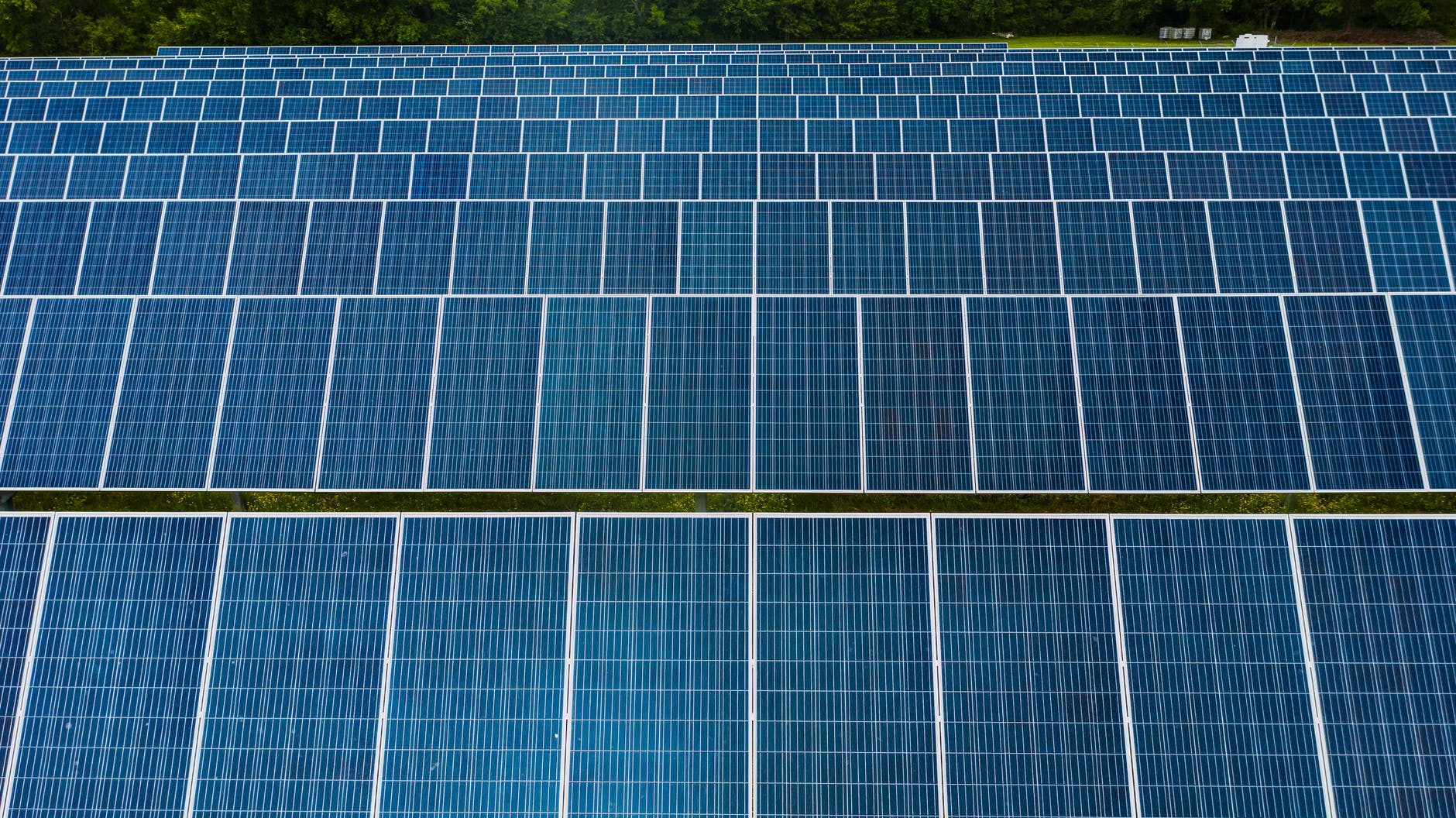
The technology segment within Saudi Arabia’s solar market is also evolving. High-efficiency monocrystalline panels currently hold about 55% of the total market share. Their strong performance in high-temperature desert environments makes them particularly suitable for the region. Utility-scale, ground-mounted installations dominate with 60% of the market, reflecting the Kingdom’s emphasis on vast solar farms that can feed gigawatts of power into the national grid. However, rooftop solar adoption is steadily rising, supported by falling installation costs, favorable net metering regulations, and growing awareness among commercial and residential consumers. This shift indicates future diversification beyond the large desert-based installations that currently define the sector.
The competitive landscape in the Kingdom is increasingly shaped by both domestic and global players. International leaders such as Huawei, ABB, Mitsubishi Electric, and JinkoSolar are playing a crucial role in integrating advanced technologies into Saudi Arabia’s power infrastructure. These companies are supplying smart inverters, artificial-intelligence-driven monitoring systems, and digital grid tools that enhance energy yield and improve system efficiency. Their involvement is helping Saudi Arabia upgrade its grid management capabilities while reducing long-term electricity costs.
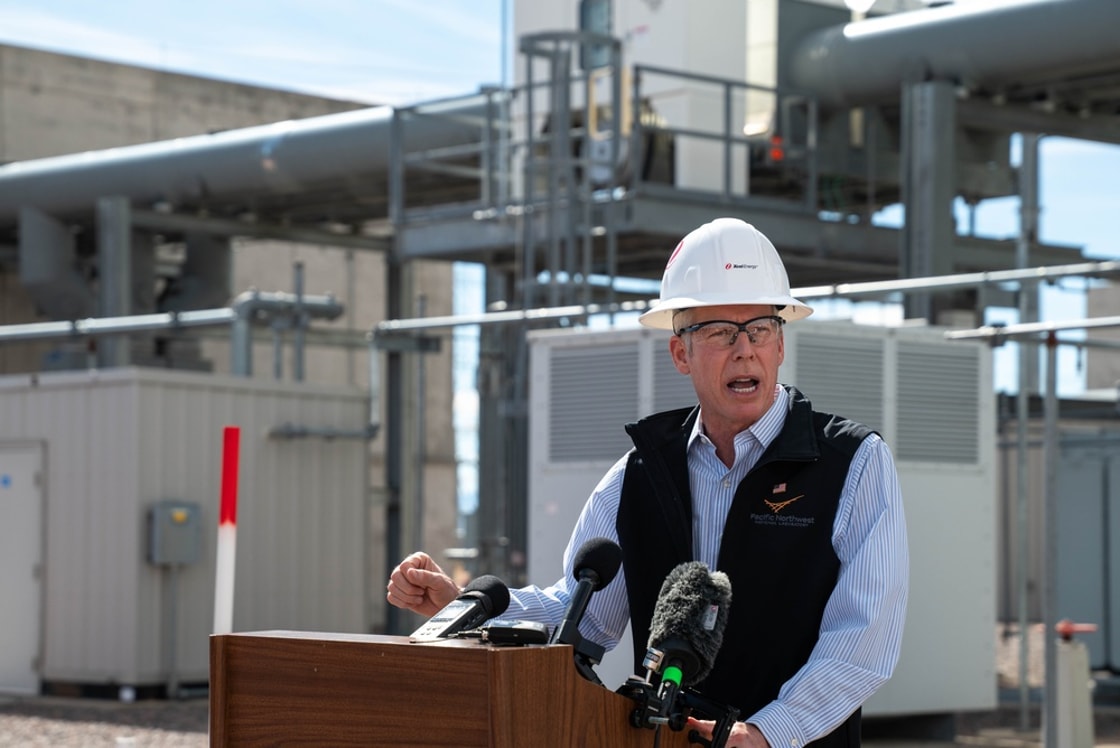
Local manufacturing capacity is also expanding, adding another dimension to the country’s solar transition. A notable development is the establishment of Nextpower Arabia, a joint venture between Nextpower and Abunayyan Holding, which plans to set up a massive solar tracker manufacturing facility in Jeddah. The facility, with an expected annual capacity of 12 GW, represents a significant step toward building a domestic supply chain for solar equipment. This initiative is expected to generate employment, enhance local technical skills, and reduce the Kingdom’s reliance on imported components.
large-scale grid projects, off-grid solar systems are seeing increased adoption in remote regions and within the oil and gas sector. These installations help reduce diesel consumption, cut operating costs, and provide reliable power to isolated sites. As more strategic partnerships are formed and multi-billion-dollar contracts continue to be awarded, Saudi Arabia’s solar PV market is solidifying its role as a central pillar in the country’s economic diversification and environmental transformation. With costs falling, technology improving, and policy support strengthening, the industry appears well positioned to meet its projected $3.51 billion valuation by .