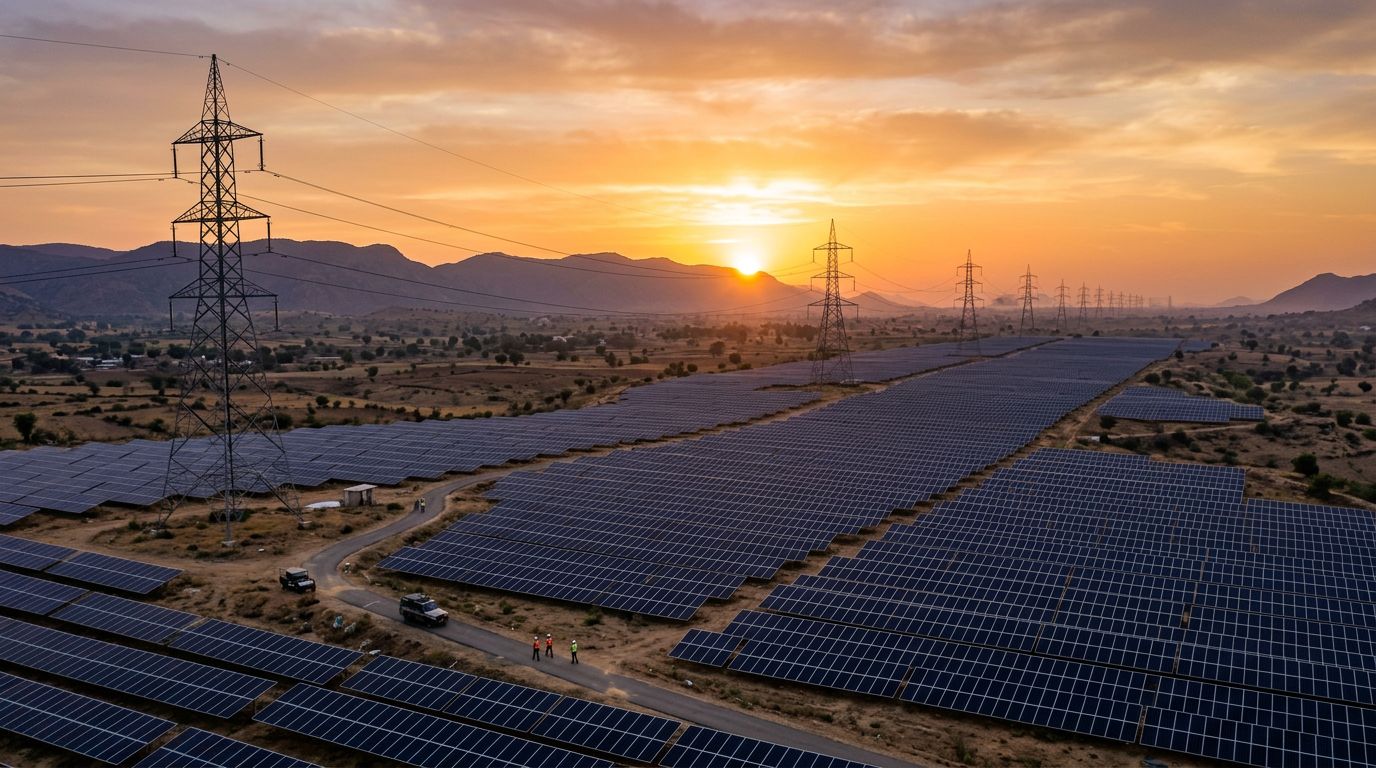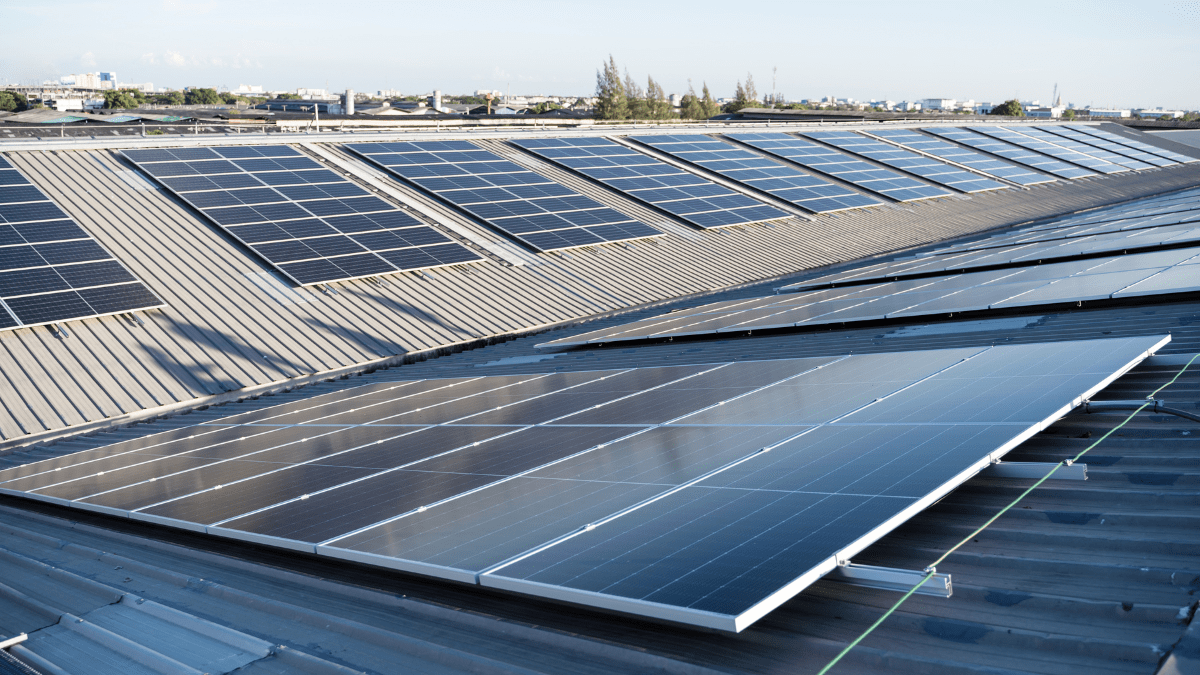
Indonesia is moving to speed up its shift toward clean energy by proposing a major increase in its rooftop solar power quota. The Ministry of Energy and Mineral Resources has put forward a plan to add an extra 400 megawatts of capacity to the national rooftop solar allocation for 2026. If the proposal is approved by the state-owned electricity utility, PT PLN, the total rooftop solar quota for that year would rise to around 1,400 megawatts.
The proposal is part of the government’s wider effort to meet its climate and energy targets. Indonesia aims to increase the share of renewable energy in its overall energy mix to 23 percent. Rooftop solar is seen as one of the fastest ways to reach this goal, as it allows homes, businesses, and factories to generate their own electricity while reducing dependence on fossil fuels. Officials believe that expanding the quota will encourage more consumers to install solar panels and contribute clean power to the national grid.
Interest in rooftop solar has been growing across Indonesia in recent years. Regulatory changes have helped make solar installations easier for users, although the system still operates under a quota-based framework. This framework is used to control how much solar power can be added each year, with the aim of protecting the stability of PLN’s electricity network. Because solar power is intermittent, authorities want to ensure that the grid can safely absorb additional capacity without causing technical problems.
The original plan for 2026 already included a sizeable rooftop solar allocation, but the proposed increase shows that the government is willing to move faster. Industry observers expect the industrial and commercial sectors to lead the new growth. Many companies are looking to cut electricity costs and align with global sustainability requirements, especially those involved in export-oriented industries.
Despite the strong demand, challenges remain. PLN must carry out technical studies to assess how much solar power each regional grid can handle. Grid readiness varies across the country, with higher demand and better infrastructure in regions such as Java and Sumatra. In some areas, upgrades may be needed before large-scale rooftop solar systems can be connected.
By seeking to raise the rooftop solar quota, the Ministry of Energy and Mineral Resources is sending a clear signal of its commitment to cleaner energy. If approved and implemented smoothly, the plan could help Indonesia move closer to its medium- and long-term energy goals. It could also support the growth of the local solar industry, including panel manufacturers, installers, and service providers. Overall, the proposal reflects Indonesia’s gradual shift toward a more decentralized and sustainable power system.
Subscribe to get the latest posts sent to your email.